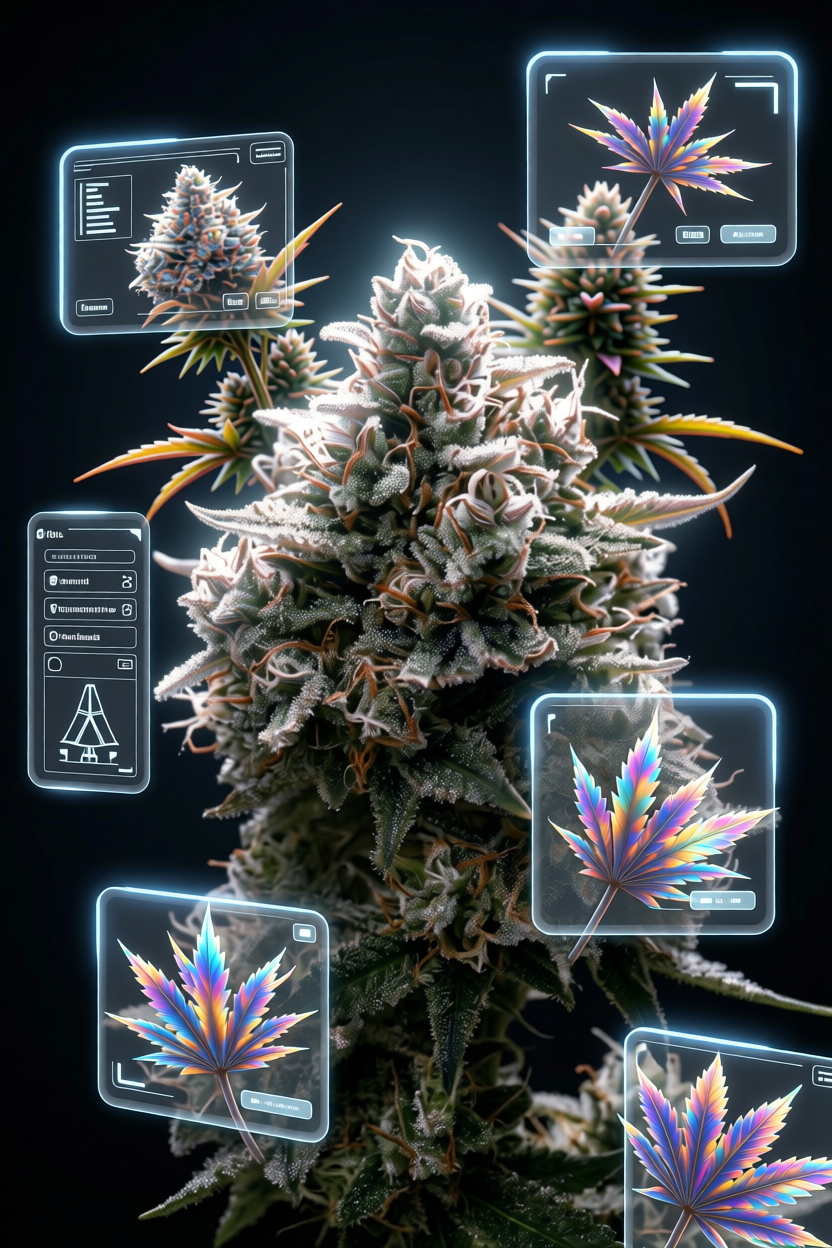
Wet Trimming: An In-Depth Guide to Post-Harvest Cannabis Processing
The moment of harvest is a culmination of weeks or months of dedicated cultivation. Once a cannabis plant is cut, a critical post-harvest decision immediately presents itself: how to prepare the valuable flowers for drying and curing. Among the primary methods for this preparation is wet trimming, a technique involving the removing of excess leaves from the plant material immediately after cutting. This comprehensive guide will delve into the intricacies of wet trimming, exploring its methodology, advantages, disadvantages, and best practices, offering an expert perspective on this foundational aspect of cannabis processing.
What is Wet Trimming?
Wet trimming, as its name suggests, refers to the process of trimming cannabis flowers while they are still “wet” – meaning fresh, turgid, and full of moisture, directly after the plant has been harvested. Unlike dry trimming, where the plant material is dried first, wet trimming involves the meticulous removal of fan leaves and sugar leaves from the buds before the drying process even begins.
The primary goal of wet trimming is to expose the dense, resinous flowers, allowing for more even and efficient drying, while also improving the final aesthetic and smokability of the product. This method is often favored for its precision and the distinct characteristics it imparts to the finished marijuana product.
The Process of Wet Trimming
Executing wet trimming effectively requires a methodical approach and the right tools. The process typically begins immediately after cutting the entire plant or individual branches from the main stalk.
Essential Tools for Wet Trimming:
- Sharp Trimming Shears/Scissors: Precision is key. Curved-tip scissors are often preferred for their ability to navigate around buds without damaging them. Keeping multiple pairs on hand allows for rotation and cleaning.
- Gloves: Nitrile or latex gloves are essential to prevent sticky resin buildup on hands and to maintain hygiene.
- Trays or Bins: For collecting trimmed buds and discarded leaf material (trim).
- Isopropyl Alcohol: For cleaning sticky shears and surfaces.
- Comfortable Seating: Trimming can be a time-consuming task.
Step-by-Step Wet Trimming:
- Initial De-fanning: Once a branch or the entire plant is harvested, the first step is often to remove the large fan leaves. These leaves have minimal trichome coverage and contribute little to the final product, primarily serving to shade the buds during growth. They are easily identifiable and can often be plucked by hand or with a quick snip.
- Branching Down (Optional): If the entire plant was cut, it’s often broken down into smaller, manageable branches. This makes handling easier during the detailed trimming phase.
- Detailed Bud Trimming: This is the core of wet trimming. Holding a branch or individual bud, carefully begin removing the smaller sugar leaves that protrude from the flowers. These leaves often have some trichome coverage but are generally less desirable for consumption due to their chlorophyll content, which can impart a harsher taste. The aim is to trim as close to the bud as possible without cutting into the flower itself, creating a tight, manicured appearance.
- Collecting Trim: The removed sugar leaves, rich in trichomes, should be collected separately. This “trim” material is highly valuable for making concentrates, edibles, or other cannabis products.
- Inspection: After trimming, inspect each bud for any missed leaf material or imperfections. The goal is a clean, aesthetically pleasing flower.
Advantages of Wet Trimming
Wet trimming offers several distinct benefits that make it a preferred method for many cultivators.
1. Ease of Access and Precision
When the plant is fresh, its leaves are turgid and stand out stiffly from the buds. This makes them easier to grasp and snip away with precision. The moisture in the leaves prevents them from curling inwards and sticking to the buds, which can happen during dry trimming. This allows for a cleaner, more manicured final product.
2. Increased Speed (Often)
For experienced trimmers, the turgidity of the leaves can lead to a faster overall trimming process. The leaves are less brittle and don’t crumble, reducing the mess and allowing for a more fluid motion. This can be particularly advantageous when processing a large harvest of weed.
3. Cleaner Working Environment
Because the plant material is still moist, there’s significantly less dust and fine particulate matter (trichomes, dried leaf fragments) released into the air compared to dry trimming. This results in a cleaner workspace and less respiratory irritation for trimmers. The sticky resin, while present, tends to clump rather than become airborne.
4. Improved Airflow During Drying
By removing the bulk of the leaf material before drying, wet trimming significantly improves airflow around the individual buds. This is crucial for preventing mold and mildew development, especially in humid environments. The reduced biomass also means less moisture needs to evaporate, potentially leading to a more consistent and controlled drying process.
5. Enhanced Aesthetics
Wet-trimmed buds often have a tighter, denser, and more visually appealing appearance. The precise removal of all protruding leaf material creates a “bag appeal” that is highly valued in the market.
Disadvantages and Considerations of Wet Trimming
While beneficial, wet trimming also comes with its own set of challenges and potential drawbacks that cultivators must consider.
1. Potential for Terpene and Cannabinoid Loss
The act of trimming involves handling the fresh cannabis flowers. When the plant material is wet, the trichomes (the resin glands containing cannabinoids and terpenes) are more fragile and prone to breaking off or smearing with excessive handling. This can lead to a reduction in the overall potency and aromatic profile of the final product if not done carefully.
2. Faster Drying Times (Can Be a Double-Edged Sword)
While improved airflow is an advantage for mold prevention, the rapid removal of leaf material means less moisture is retained in the plant structure. This can lead to buds drying too quickly, especially in low-humidity environments. Rapid drying can result in a harsher smoke, as chlorophyll and other undesirable compounds don’t have enough time to break down properly during the initial stages of the cure. Careful control of the drying environment is paramount.
3. Intense Odor
When wet trimming marijuana, the plant’s aromatic compounds (terpenes) are highly volatile and readily released into the air. This can result in an extremely potent and pervasive odor throughout the trimming area. Adequate ventilation and odor control measures are essential, particularly for cultivators concerned about discretion.
4. Sticky Mess
The resin produced by cannabis is incredibly sticky, and when wet, it can quickly coat trimming shears, gloves, and surfaces. While less dusty than dry trimming, the resinous buildup can be more challenging to clean from tools and hands, requiring frequent use of isopropyl alcohol.
5. Labor Intensive
While potentially faster for experienced trimmers, wet trimming still requires significant manual labor and attention to detail. The precision required to avoid damaging buds means it can be a time-consuming task, especially for large-scale operations.
Wet Trimming vs. Dry Trimming
The choice between wet trimming and dry trimming is one of the most significant decisions in post-harvest processing.
- Wet Trimming: Involves removing leaves immediately after cutting the plant, before drying. Favored for precision, aesthetics, and mold prevention.
- Dry Trimming: Involves drying the entire plant or large branches first, then removing the leaves once the material is dry. Often chosen to minimize trichome loss and promote a slower, more controlled dry, which can enhance flavor and smoothness.
Each method has its proponents, and the optimal choice often depends on factors such as environmental conditions, desired product characteristics, available labor, and personal preference.
Best Practices for Wet Trimming
To maximize the benefits and mitigate the drawbacks of wet trimming, consider these best practices:
- Optimal Environment: Perform trimming in a cool, well-ventilated area. This helps to manage the intense aroma and keeps trimmers comfortable.
- Sharp, Clean Tools: Regularly clean your trimming shears with isopropyl alcohol to prevent resin buildup, which can make cutting difficult and damage buds. Keep multiple pairs on hand.
- Gentle Handling: Minimize direct contact with the buds to preserve delicate trichomes. Hold branches by the stem whenever possible.
- Proper Drying Setup: Have your drying space prepared before you begin trimming. Ensure it has controlled temperature (18-22°C / 65-72°F) and humidity (55-65% RH) to facilitate a slow, even dry after the wet trimming is complete.
- Collect and Utilize Trim: Don’t discard the trimmed sugar leaves. They are rich in cannabinoids and terpenes and can be used for concentrates, edibles, or other value-added products.
- Hygiene: Always wear gloves to prevent contamination and keep your workspace clean.
Conclusion
Wet trimming is a fundamental post-harvest technique in cannabis cultivation, involving the removing of excess leaves from the plant immediately after cutting. While it offers distinct advantages in terms of precision, aesthetics, and mold prevention during drying, it also presents challenges related to potential trichome loss and the need for careful drying environment control.
Understanding the nuances of wet trimming allows cultivators to make informed decisions that align with their specific goals for quality, efficiency, and the characteristics of their final marijuana product. When executed with care and attention to detail, wet trimming can yield beautifully manicured, high-quality weed ready for the crucial drying and curing stages.