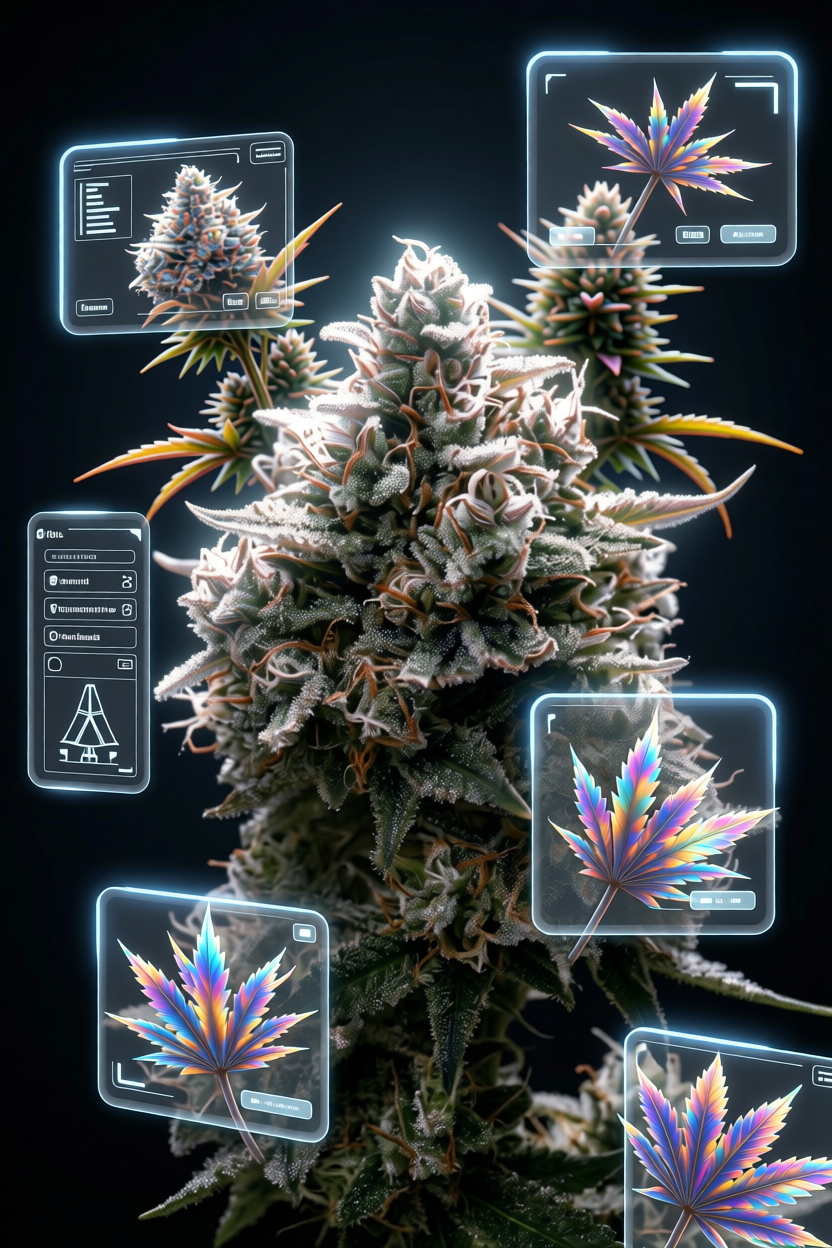
Dry Trimming: A Detailed Guide to Post-Harvest Cannabis Processing
The journey from a vibrant cannabis plant to a ready-to-consume product involves several critical steps, each impacting the final quality, aroma, and potency. Among these, trimming stands out as a crucial post-harvest process. While some cultivators opt for wet trimming, an equally popular and often preferred method, particularly for connoisseurs, is dry trimming. This comprehensive guide will delve into the intricacies of dry trimming, explaining its methodology, advantages, disadvantages, and best practices for achieving a premium final product.
What is Dry Trimming?
Dry trimming, at its core, is the process of removing excess leaves from the cannabis plant after it has undergone a significant portion of its drying cycle. Unlike wet trimming, where leaves are removed immediately after harvest while the plant material is still fresh and moist, dry trimming occurs once the plant has dried for several days, typically reaching a moisture content where the outer material is dry to the touch but the inner parts still retain some moisture.
The primary goal of dry trimming is to refine the appearance of the buds, remove undesirable plant matter (like large fan leaves and some sugar leaves), and expose the resin-rich flowers. This method is favored by many for its potential to enhance the overall quality, aroma, and smoothness of the final weed or marijuana product.
The Process of Dry Trimming
Executing dry trimming effectively requires an understanding of optimal timing, the right tools, and a meticulous technique.
When to Dry Trim (Optimal Drying Conditions)
The success of dry trimming hinges entirely on proper initial drying. The cannabis plant should be hung to dry in a controlled environment (ideally 60-70°F and 50-60% relative humidity) for anywhere from 7 to 14 days, or until the smaller stems snap cleanly rather than bending.
- Initial Drying: The entire plant or large branches are hung upside down. This slow drying process allows chlorophyll to break down and moisture to evaporate gradually from the buds.
- Readiness for Trimming: You’ll know the plant is ready for dry trimming when the outer sugar leaves feel crispy, but the buds themselves still have a slight give when gently squeezed. The larger fan leaves, which were likely removed during initial harvest, will be completely dry and brittle. If the buds are too dry, they will crumble, leading to significant trichome loss. If they are too wet, the process becomes sticky and less efficient.
Essential Tools for Dry Trimming
Having the right equipment makes the dry trimming process more efficient and less strenuous.
- Trimming Shears/Scissors: High-quality, sharp trimming scissors are paramount. Curved-tip scissors are often preferred for their precision in navigating around the contours of the buds, while straight-tip scissors can be useful for larger cuts. Ensure they are comfortable for extended use.
- Gloves: Nitrile or latex gloves are essential to prevent resin buildup on your hands and to protect the delicate trichomes from being rubbed off.
- Trimming Tray/Work Surface: A clean, flat surface or a specialized trimming tray with a screen is highly recommended. Trimming trays often have a mesh screen that collects kief (trichomes) that fall off during the process, providing a valuable byproduct.
- Containers: Separate containers for trimmed buds, sugar leaf trim (for concentrates or edibles), and waste material (large fan leaves, stems).
- Isopropyl Alcohol: For cleaning your shears frequently, as resin buildup will quickly gum them up.
Step-by-Step Dry Trimming Technique
Patience and a gentle touch are key when dry trimming to preserve the integrity of the buds and their precious trichomes.
- Prepare Your Workspace: Set up your trimming tray or clean surface. Put on your gloves. Have your tools and containers within easy reach.
- Handle with Care: Gently pick up a branch or individual bud. Avoid excessive handling of the flowers themselves, as this can dislodge trichomes.
- Remove Fan Leaves: If any large fan leaves remain, carefully snip them off at their base. These leaves contain minimal resin and are primarily for photosynthesis during growth.
- Target Sugar Leaves: Focus on the smaller sugar leaves that protrude from the buds. These leaves are often coated in trichomes and can be kept or removed depending on preference and the desired final product. For a “top-shelf” appearance, most growers meticulously remove all but the most trichome-laden sugar leaf tips.
- Technique: Use the tip of your shears to carefully snip the sugar leaves flush with the bud structure. Imagine you’re sculpting the bud into a tight, aesthetically pleasing shape. Work your way around the bud, rotating it gently.
- Refine and Inspect: Once you’ve trimmed a bud, inspect it from all angles to ensure all unwanted leaf material has been removed. The goal is to expose the dense, resinous flower structure.
- Collect Trim: Place the removed sugar leaves into a designated container for future use (e.g., making edibles, concentrates, or tinctures). Discard the larger, non-resinous waste.
- Clean Tools: Periodically clean your trimming shears with isopropyl alcohol to maintain their sharpness and prevent sticky residue from hindering your work.
Advantages of Dry Trimming
Dry trimming offers several compelling benefits that contribute to a superior final product.
Preservation of Terpenes and Cannabinoids
One of the most significant advantages of dry trimming is its role in preserving the delicate terpenes and cannabinoids. The slower drying process, which precedes dry trimming, allows for a more gradual evaporation of moisture. This gentle drying helps to retain volatile aromatic compounds (terpenes) and prevents the premature degradation of cannabinoids, leading to a more flavorful, aromatic, and potent final cannabis product.
Enhanced Visual Appeal and Density
Dry trimming often results in a more aesthetically pleasing and denser bud structure. As the plant dries, the buds naturally shrink and tighten. Trimming them in this state allows for a more precise and uniform shaping, resulting in tightly manicured flowers that appear denser and more appealing to the eye. The leaves, being dry and brittle, are easier to snip cleanly without tearing the bud.
Easier Handling of Dried Material
While it might seem counterintuitive, many find dry trimming less messy and sticky than wet trimming. The resin on dried buds is less tacky and more brittle, making it easier to clean tools and preventing excessive stickiness on hands (especially with gloves). The removed leaves are also dry and less prone to sticking to everything.
Reduced Risk of Mold (if dried properly)
By the time the plant is ready for dry trimming, a significant amount of moisture has already been removed, drastically reducing the risk of mold and mildew developing within the trimmed buds. This is a critical factor in ensuring a safe and high-quality product.
Disadvantages and Considerations of Dry Trimming
Despite its benefits, dry trimming also presents certain challenges and considerations.
Increased Mess and Trichome Loss
Dry material, by nature, is more brittle. This means that during the trimming process, more small pieces of leaf and, more importantly, precious trichomes can break off and fall. While a trimming tray with a screen can collect this “kief,” it still represents a loss from the individual buds. The process can also be dustier due to the dry plant matter.
Potential for Over-Drying
If the plant is allowed to dry too much before trimming, the buds can become overly brittle and harsh. Over-dried weed can lose its aroma, flavor, and smoothness, resulting in a less enjoyable experience. Achieving the perfect moisture content before trimming is a delicate balance.
Time-Consuming
Dry trimming can be a more time-consuming process than wet trimming, especially for large harvests. The meticulous nature of carefully removing leaves from brittle, dried buds requires patience and attention to detail. The process can take several hours or even days depending on the volume of material.
Related Concepts and Best Practices
To truly master dry trimming, it’s essential to understand its place within the broader post-harvest workflow.
The Importance of Proper Drying
As highlighted, dry trimming’s success is directly linked to the quality of the initial drying phase. A slow, controlled dry in a dark, well-ventilated environment is crucial. This ensures that the chlorophyll breaks down, the moisture content is reduced evenly, and the delicate terpenes and cannabinoids are preserved. Rushing the drying process will negatively impact the final product, regardless of how well it’s trimmed.
Curing After Trimming
Dry trimming is not the final step. Once the buds are trimmed, they must be properly cured. Curing involves placing the trimmed buds in airtight containers (like glass jars) and periodically “burping” them (opening the jars for a few minutes) to release trapped moisture and replenish oxygen. This process, which can last several days to several weeks or even months, further refines the flavor, aroma, and smoothness of the marijuana, allowing for a more complete breakdown of residual chlorophyll and a more stable moisture content.
Utilizing Trimmed Material
The sugar leaves removed during dry trimming are not waste. Because they are often coated in trichomes, they are highly valuable for creating various cannabis concentrates, edibles, tinctures, or even infused oils. Collecting this trim diligently can provide a significant bonus yield.
Conclusion
Dry trimming is a refined and highly effective method for processing cannabis after harvest. By removing leaves once the plant has dried for several days, cultivators can achieve a product with enhanced visual appeal, superior aroma, and a smoother smoking or vaping experience. While it demands patience and a meticulous approach, the benefits of preserving delicate terpenes and cannabinoids often outweigh the challenges. For those seeking to produce premium weed or marijuana, understanding and implementing expert dry trimming techniques is an indispensable skill in the journey from cultivation to consumption.