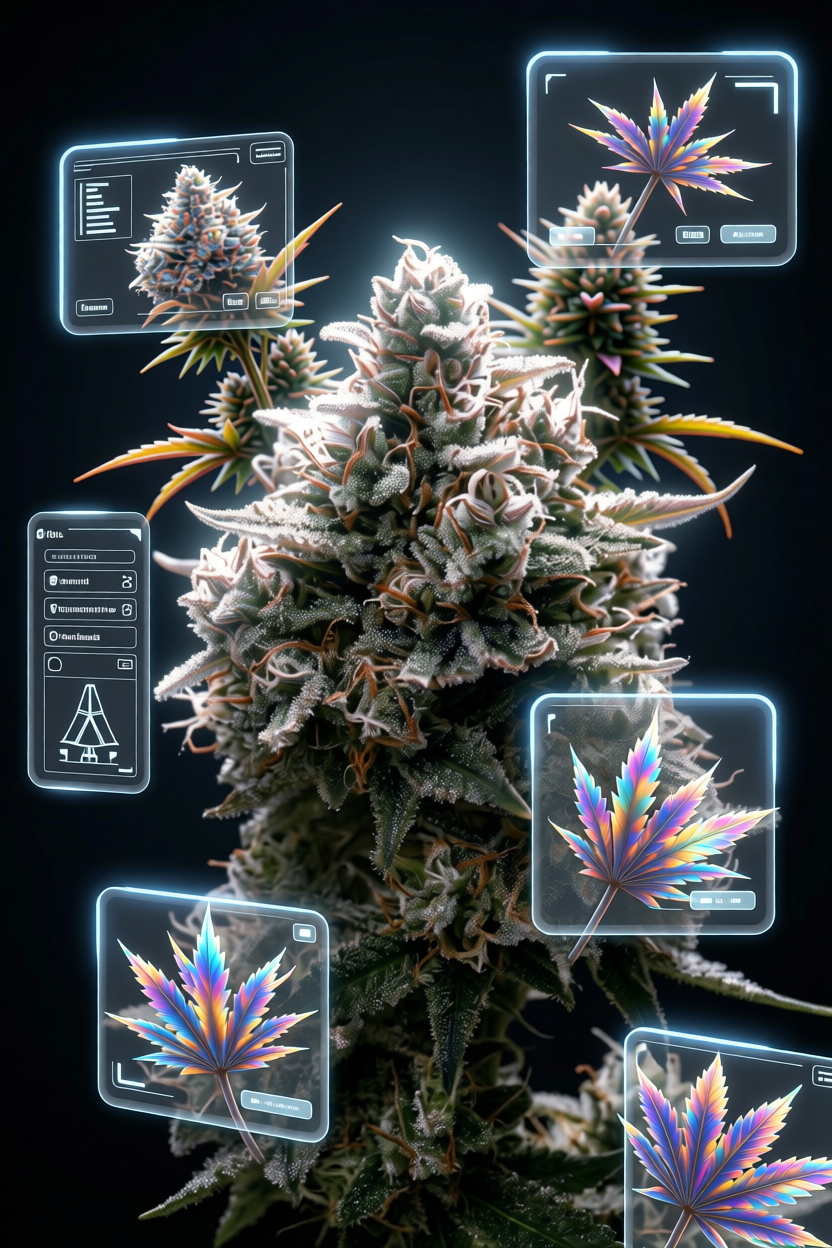
The Harvest Window: Unlocking Peak Maturity in Cannabis Cultivation
In the intricate world of cannabis cultivation, few concepts are as critical to the final quality of the product as understanding and accurately identifying the “harvest window.” This isn’t merely a suggestion; it’s a precise period during which the plant’s resin glands, known as trichomes, reach their peak maturity, signaling the optimal time for harvest. Missing this crucial window can significantly impact the potency, flavor, aroma, and overall desired effects of the final weed or marijuana product. For any serious cultivator, mastering the art of recognizing this maturity is paramount.
What are Trichomes and Why Are They So Important?
To truly grasp the harvest window, one must first understand the primary indicators: trichomes. These microscopic, mushroom-shaped glandular structures are found predominantly on the flowers and sugar leaves of the cannabis plant. They are the biochemical factories responsible for producing and storing the vast array of cannabinoids (like THC, CBD, CBG), terpenes (which dictate aroma and flavor), and flavonoids that define the plant’s unique characteristics and therapeutic potential.
The Function of Trichomes
Beyond their role in producing desirable compounds, trichomes serve several vital functions for the plant itself:
- Defense Mechanism: The sticky, pungent resin acts as a deterrent against pests and herbivores.
- UV Protection: The compounds within trichomes help shield the plant from harmful ultraviolet radiation.
- Environmental Adaptation: They can help protect the plant from strong winds and fungal pathogens.
While various types of trichomes exist (bulbous, capitate-sessile, capitate-stalked), it is the larger, more prominent capitate-stalked trichomes, particularly those on the calyxes of the flower, that provide the most reliable visual cues for assessing maturity.
The Lifecycle of a Trichome: A Visual Guide to Maturity
The most accurate way to determine if your cannabis plant is ready for harvest is by observing the color and opacity of these trichomes under magnification. Their appearance changes predictably throughout the flowering cycle, offering a clear roadmap to peak cannabinoid development.
1. Clear/Transparent Trichomes: The Immature Stage
In the early to mid-flowering stages, trichomes appear entirely clear or transparent, much like tiny, dew-covered glass spheres. At this point, the cannabinoid and terpene synthesis is still underway, and the concentration of psychoactive compounds like THC is relatively low. Harvesting during this period would result in a less potent and less flavorful product, often described as having a “racy” or anxious effect due to an imbalance of cannabinoids. This is well before the harvest window.
2. Cloudy/Milky/Opaque Trichomes: The Peak THC Stage
As the plant progresses towards full maturity, the trichomes begin to turn cloudy, milky, or opaque. This change in appearance signifies a crucial shift: the cannabinoids, particularly THC, are nearing their peak concentration. This is generally considered the sweet spot for cultivators seeking maximum psychoactive effects. A plant with a high percentage of cloudy trichomes (e.g., 70-80%) is firmly within its primary harvest window. The effects associated with this stage are typically more uplifting, euphoric, and potent.
3. Amber/Degraded Trichomes: The Sedative Stage
Following the cloudy stage, trichomes will begin to turn amber or reddish-brown. This color change indicates that THC is starting to degrade into Cannabinol (CBN), another cannabinoid known for its more sedative and relaxing properties. While some growers prefer a small percentage of amber trichomes for a more balanced or “couch-lock” effect, a high percentage of amber (e.g., 50% or more) suggests that the plant has passed its peak THC maturity. Harvesting at this stage will yield a product with a heavier, more narcotic effect, often favored by those seeking relief from insomnia or chronic pain.
Defining the “Harvest Window”: It’s Not a Single Point
The “harvest window” is not a single moment but rather a flexible period of several days, or even up to two weeks, during which the plant offers different profiles of effects depending on when it is cut. The ideal harvest window is ultimately determined by the grower’s preference for the desired effects of the final cannabis product.
- Early Harvest Window (Mostly Cloudy, Minimal Amber): Favored by those seeking a more energetic, cerebral, and less sedative experience. Potency is high, but the “peak” of the entourage effect might still be developing.
- Peak Harvest Window (Majority Cloudy, 10-30% Amber): This is the most common target for cultivators aiming for a balanced, potent, and well-rounded psychoactive experience. It represents the peak of THC production alongside a developing spectrum of other cannabinoids and terpenes.
- Late Harvest Window (Significant Amber, 30-50%+): Chosen by those who prefer a heavier, more relaxing, and sedative effect, often associated with “couch-lock.” This indicates a higher CBN content.
Factors Influencing the Harvest Window
While trichome color is the primary indicator, several other factors can influence the timing and characteristics of the harvest window:
1. Genetics (Strain Specificity)
Different weed strains have inherent genetic predispositions that dictate their flowering time and trichome development.
- Sativa-dominant strains often have longer flowering periods and may show a slower progression to amber trichomes.
- Indica-dominant strains typically have shorter flowering times and may mature more rapidly.
- Autoflowering varieties have a predetermined lifecycle, but trichome observation remains crucial for optimal timing.
2. Environmental Conditions
Optimal environmental control throughout the flowering stage is crucial for healthy trichome development.
- Light Intensity and Spectrum: Adequate light is essential for robust cannabinoid and terpene production.
- Temperature and Humidity: Extreme fluctuations or consistently high temperatures can stress the plant, potentially accelerating or hindering maturity.
- Air Circulation: Good airflow prevents mold and mildew, which can compromise the harvest.
3. Nutrient Regimen
Proper feeding during the flowering phase supports the plant’s metabolic processes, including the synthesis of cannabinoids and terpenes within the trichomes. Over-fertilization or nutrient deficiencies can negatively impact trichome development and overall plant health.
4. Grower Preference
Ultimately, the most significant factor is the grower’s desired outcome. An experienced cultivator understands that the “perfect” harvest window is subjective and aligns with the specific effects they aim to achieve.
How to Accurately Assess Trichome Maturity
Accurate assessment requires the right tools and technique.
Tools for Observation
- Jeweler’s Loupe (30x-100x magnification): An affordable and portable option for close-up inspection.
- Digital Microscope (USB or handheld): Offers higher magnification, clearer images, and often the ability to capture photos or videos, making it easier to track changes over time.
Technique for Inspection
- Focus on the Calyxes: Always inspect the trichomes on the actual flower calyxes, not the sugar leaves. Trichomes on sugar leaves often mature faster and can give a misleading impression of the flower’s overall readiness.
- Check Multiple Locations: Inspect trichomes from various parts of the plant – top, middle, and bottom buds – as maturity can vary slightly.
- Use Consistent Lighting: Observe under consistent, neutral lighting to avoid color distortion.
Beyond Trichomes: Secondary Indicators
While trichomes are the definitive indicator, other visual cues can offer supporting evidence that the plant is approaching its harvest window:
1. Pistil Receding and Color Change
Pistils (the hair-like stigmas emerging from the calyxes) typically start white and upright. As the plant matures, they will curl inward and change color, usually to orange, red, or brown. When 70-90% of pistils have changed color, it’s a good sign to start closely monitoring trichomes. However, pistil color alone is not a reliable indicator of cannabinoid maturity.
2. Calyx Swelling
As the flowers reach full development, the calyxes (the protective leaf-like structures that form the bud) will swell and become noticeably plumper. This indicates that the plant is filling out its reproductive structures.
3. Leaf Senescence
Towards the end of the flowering cycle, it’s natural for some of the larger fan leaves to begin yellowing and dying off. This is a sign that the plant is redirecting its energy and nutrients to the developing flowers, a process known as senescence.
The Importance of Timing: Why the Harvest Window Matters
The precision of identifying the harvest window cannot be overstated. It directly impacts:
- Potency: Harvesting at peak cloudy trichomes ensures maximum THC content.
- Flavor and Aroma: Terpenes are volatile compounds. Harvesting at the right time preserves their delicate profiles, leading to a richer, more nuanced experience.
- Desired Effects: Whether seeking an energetic uplift or deep relaxation, timing the harvest to the specific trichome ratio is key to achieving the intended outcome.
- Preventing Degradation: Harvesting too late means THC degrades into CBN, altering the effects. It also increases the risk of mold or pest issues in outdoor grows.
Common Mistakes and Misconceptions
- Harvesting based solely on pistil color: This is a common beginner’s mistake. While a good secondary indicator, pistils can change color prematurely due to stress or genetics, without the trichomes reaching full maturity.
- Not using magnification: Attempting to judge trichome color with the naked eye is futile and will lead to inaccurate assessments.
- Checking sugar leaves instead of calyxes: As mentioned, sugar leaf trichomes mature faster, leading to a false sense of readiness.
- Panicking at the first sign of amber: A small percentage of amber trichomes is often desirable for a balanced effect and doesn’t necessarily mean the harvest window is closing rapidly.
Conclusion
The harvest window is the culmination of weeks or months of dedicated cultivation, representing the critical period where the cannabis plant’s full potential is realized. By understanding the intricate lifecycle of trichomes – from clear to cloudy to amber – and employing careful observation with appropriate tools, cultivators can precisely time their harvest to achieve specific desired effects and maximize the quality, potency, and aromatic profile of their weed or marijuana. It is a testament to the art and science of growing, where patience, knowledge, and keen observation ultimately define the success of the final product. Mastering this maturity indicator is a hallmark of an experienced and discerning grower.