THCA: Unpacking the Acidic, Non-Psychoactive Precursor to THC
In the intricate world of cannabis chemistry, few compounds are as fundamental yet often misunderstood as Tetrahydrocannabinolic Acid, or THCA. Far from being a mere footnote, THCA stands as the primary acidic precursor to the well-known psychoactive compound, Delta-9-Tetrahydrocannabinol (THC). Understanding THCA is crucial for anyone seeking a comprehensive grasp of the cannabis plant, its effects, and its potential applications. This article will delve into the chemistry, function, and significance of THCA, establishing its role as a cornerstone of cannabis science.
What is THCA? The Chemistry Behind the Precursor
THCA is a cannabinoid found abundantly in raw, unheated cannabis plants. Chemically, it is very similar to THC, but with one critical difference: it possesses an additional carboxyl group (COOH) attached to its molecular structure. This seemingly small chemical appendage is responsible for THCA’s distinct properties, most notably its non-psychoactive nature.
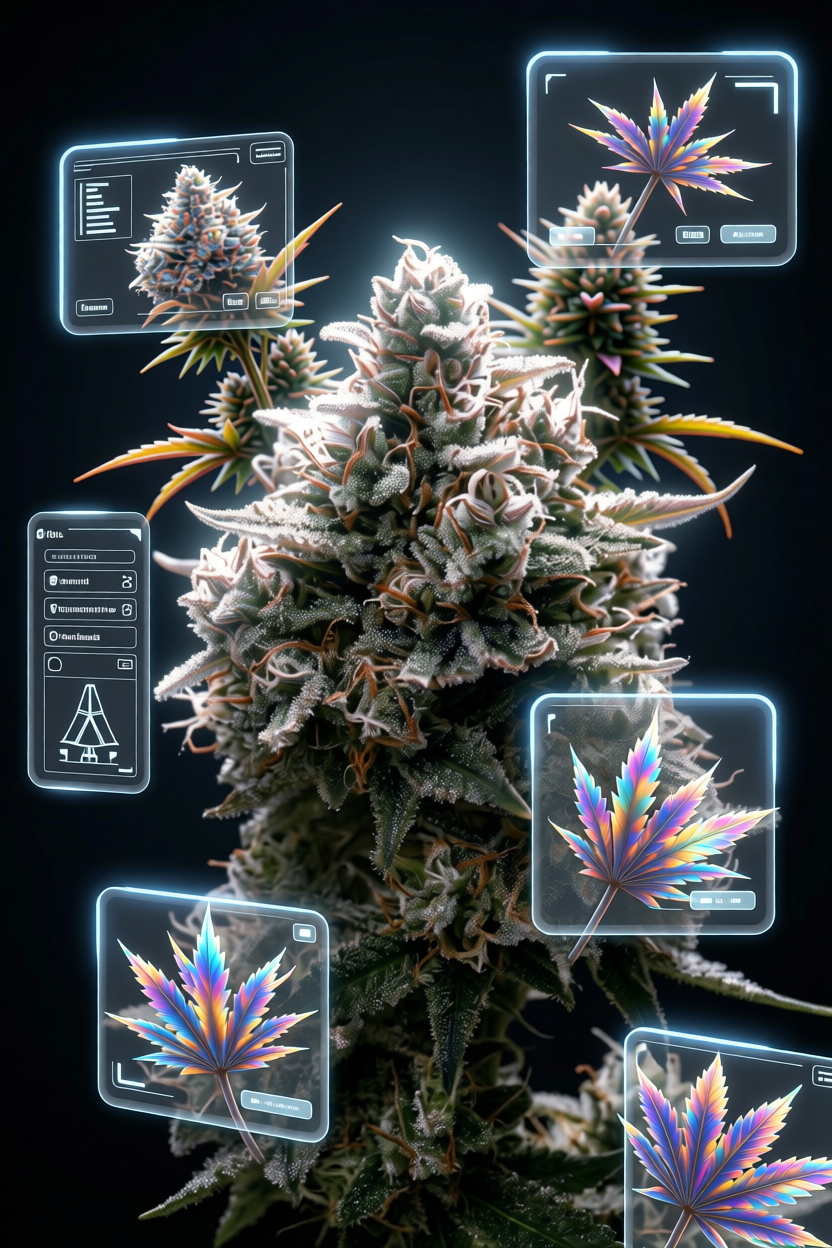
When we talk about the fresh, vibrant green buds of the marijuana plant, what we’re primarily looking at, from a cannabinoid perspective, is a rich reservoir of THCA, not THC. The plant synthesizes THCA as part of its natural metabolic processes, storing it within the glandular trichomes that adorn its surface. This acidic form is the plant’s natural state for this particular cannabinoid.
The Decarboxylation Process: From THCA to THC
The transformation of THCA into its psychoactive counterpart, THC, is a process known as decarboxylation. This chemical reaction involves the removal of the carboxyl group from the THCA molecule, releasing it as carbon dioxide (CO2) and leaving behind the neutral, psychoactive THC molecule.
Decarboxylation is primarily triggered by heat, but it can also occur slowly over time or with exposure to light. This is why consuming raw cannabis, such as in juices or salads, does not produce the characteristic “high” associated with smoking or vaping weed.
- Heat: This is the most common and efficient catalyst for decarboxylation. When cannabis is smoked, vaped, or baked into edibles, the heat rapidly converts THCA into THC. For instance, smoking a joint exposes the cannabis to temperatures well above the decarboxylation point, ensuring a swift conversion.
- Time: Even without external heat, THCA will slowly decarboxylate into THC over extended periods. This is part of the natural aging and curing process of cannabis.
- Light: Exposure to ultraviolet (UV) light can also contribute to the decarboxylation process, though it is generally less impactful than heat.
Understanding this chemical transformation is key to appreciating why different consumption methods yield vastly different experiences. The raw plant material, rich in THCA, is fundamentally different in its pharmacological profile from the heated, decarboxylated material.
Why is THCA Non-Psychoactive?
The defining characteristic of THCA, and one that sets it apart from THC, is its lack of psychoactive effects. This is directly attributable to its molecular structure, specifically the presence of that extra carboxyl group.
The human body’s endocannabinoid system (ECS) plays a crucial role in mediating the effects of cannabinoids. THC exerts its psychoactive effects primarily by binding to and activating the CB1 receptors, which are predominantly found in the brain and central nervous system. THCA, due to its larger and more complex molecular structure (because of the carboxyl group), cannot efficiently bind to these CB1 receptors. Its shape simply doesn’t fit the receptor site in a way that triggers the same cascade of events as THC.
Therefore, when THCA enters the body, it does not induce the euphoria, altered perception, or other mind-altering effects typically associated with consuming marijuana. This fundamental difference in receptor interaction is the scientific basis for THCA’s non-psychoactive status.
Beyond Psychoactivity: Potential Therapeutic Properties of THCA
While THCA doesn’t produce a “high,” this does not mean it is an inert compound. Emerging research suggests that THCA possesses its own unique set of potential therapeutic properties, independent of THC’s effects. These properties are garnering increasing interest within the scientific and medical communities.
Some areas of ongoing research into THCA’s potential benefits include:
- Anti-inflammatory Properties: Studies suggest THCA may help reduce inflammation, potentially offering relief for conditions like arthritis and lupus.
- Neuroprotective Effects: Research indicates THCA could protect brain cells from damage, making it a candidate for investigation in neurodegenerative diseases such as Parkinson’s and Alzheimer’s.
- Antiemetic Properties: THCA may help reduce nausea and vomiting, similar to THC, but without the psychoactive side effects.
- Appetite Stimulation: Some evidence points to THCA’s ability to stimulate appetite, which could be beneficial for patients experiencing appetite loss due to illness or treatment.
- Antiproliferative Potential: Preliminary studies have explored THCA’s potential to inhibit the growth of certain cancer cells, though this research is still in very early stages.
It is important to emphasize that much of this research is preclinical (in vitro or animal studies), and more human clinical trials are needed to fully understand and confirm the therapeutic potential of THCA. Nevertheless, these findings highlight that the raw cannabis plant, rich in THCA, may offer distinct health benefits that are lost once decarboxylation occurs.
THCA in the Cannabis Plant Lifecycle
THCA is not just a precursor; it’s a vital compound within the cannabis plant itself. It is synthesized in the trichomes, the tiny, mushroom-shaped glands on the surface of the plant, particularly on the flowers and leaves. The biosynthesis pathway typically starts with cannabigerolic acid (CBGA), often referred to as the “mother cannabinoid,” which is then converted by specific enzymes into various acidic cannabinoids, including THCA, CBDA (cannabidiolic acid), and CBCA (cannabichromenic acid).
From the plant’s perspective, THCA likely serves several protective functions. Cannabinoids and terpenes are thought to act as natural defenses against pests, pathogens, and environmental stressors like UV radiation. The presence of THCA in high concentrations in the living plant underscores its biological importance beyond human consumption.
Distinguishing THCA from THC and Other Cannabinoids
To solidify understanding, it’s helpful to clearly delineate THCA from THC and briefly contextualize it among other cannabinoids.
| Feature | THCA (Tetrahydrocannabinolic Acid) | THC (Delta-9-Tetrahydrocannabinol) |
|---|---|---|
| Chemical Form | Acidic (contains a carboxyl group) | Neutral (lacks a carboxyl group) |
| Psychoactivity | Non-psychoactive | Psychoactive (produces a “high”) |
| Presence in Plant | Abundant in raw, unheated cannabis | Primarily found in heated, cured, or aged cannabis |
| Interaction with ECS | Does not efficiently bind to CB1 receptors | Binds strongly to CB1 receptors |
| Conversion | Converts to THC via decarboxylation (heat, light, time) | Stable form after decarboxylation |
It’s also worth noting that THCA is just one of many acidic cannabinoids. CBD, for example, also exists in its acidic precursor form, CBDA (Cannabidiolic Acid), which similarly converts to CBD upon decarboxylation and also possesses its own unique set of potential therapeutic properties. This highlights a broader principle in cannabis chemistry: the raw plant is a repository of acidic, non-psychoactive compounds that transform into their neutral, often more pharmacologically active forms, upon heating.
Consumption Methods and Considerations
Given THCA’s unique properties, the method of consumption significantly impacts the experience and potential benefits.
- Raw Consumption: For those interested in THCA’s potential therapeutic benefits without psychoactive effects, consuming raw cannabis is the preferred method. This can involve juicing fresh cannabis leaves and buds, adding them to smoothies, or incorporating them into salads. This preserves the THCA content, allowing the body to absorb it in its acidic form.
- Heating Methods: To experience the psychoactive effects of THC, heating the cannabis is necessary. This includes:
- Smoking: Rapid, high-temperature decarboxylation.
- Vaping: Controlled heating to decarboxylate without combustion.
- Edibles: Baking or cooking cannabis into food, where the heat converts THCA to THC.
- Dabbing: Concentrated forms of THCA (often labeled as “THCA isolate” or “THCA diamonds”) are vaporized at high temperatures, instantly converting to THC for potent effects.
Storage considerations are also important. To preserve THCA and prevent premature decarboxylation, raw cannabis should be stored in cool, dark, and airtight containers, minimizing exposure to heat, light, and oxygen.
Conclusion
THCA is far more than just a chemical stepping stone; it is a critical component of the cannabis plant with its own distinct identity and potential. As the acidic, non-psychoactive precursor to THC, it offers a fascinating glimpse into the plant’s intricate chemistry and the profound impact of decarboxylation. Understanding THCA not only clarifies why raw cannabis doesn’t produce a “high” but also opens doors to exploring a new frontier of potential therapeutic applications. As research continues to unfold, THCA is poised to gain even greater recognition for its individual contributions to the complex pharmacology of the cannabis plant, moving beyond its precursor status to be appreciated for its own inherent value.