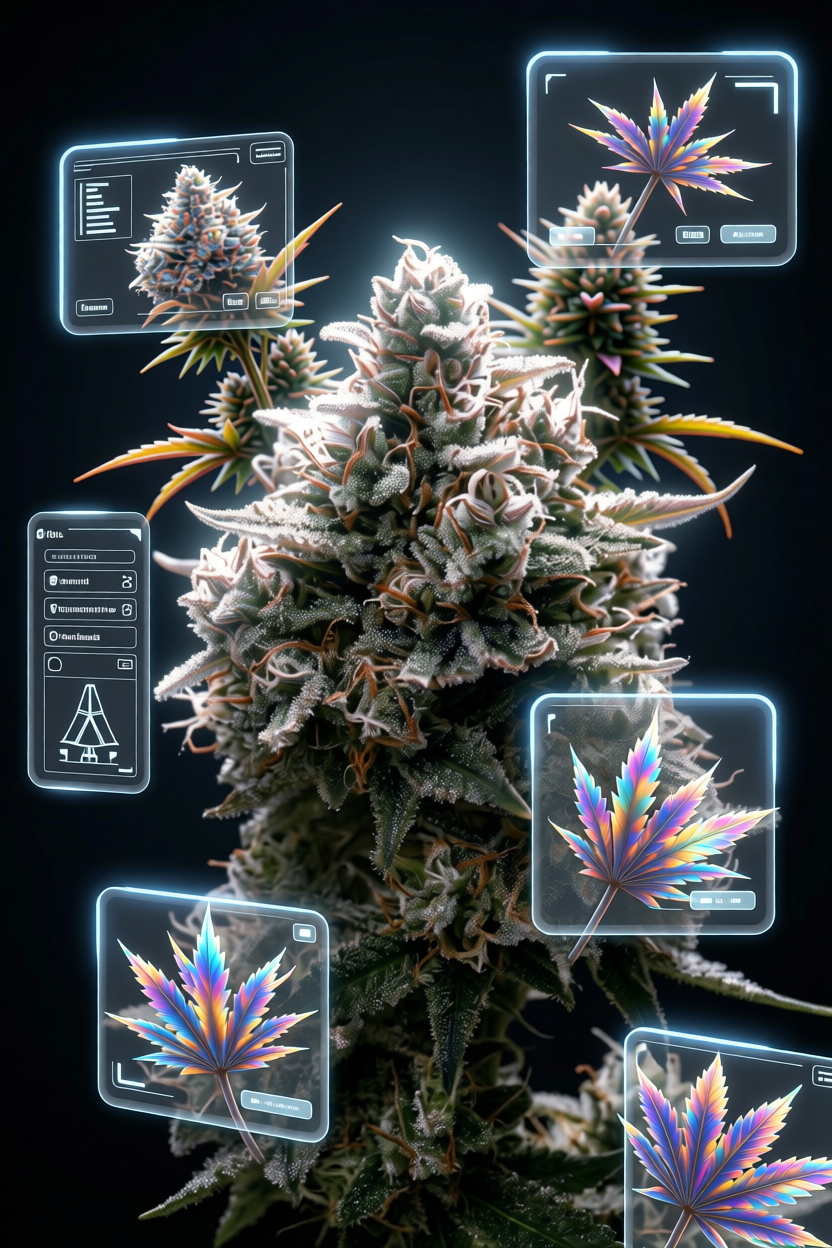
Terpenes: The Aromatic Architects of Cannabis Scent, Flavor, and Effect
In the intricate world of botany, few classes of compounds are as ubiquitous and influential as terpenes. These remarkable aromatic hydrocarbons are not exclusive to cannabis; they are the very essence of the natural world’s olfactory tapestry, that which give a rose its delicate perfume, a lemon its zesty tang, and a pine forest its invigorating aroma. However, within the context of marijuana, terpenes take on a particularly profound significance, acting as the primary architects of its diverse scent and flavor profiles, and increasingly understood to play a crucial role in modulating its effects.
This article delves into the fascinating science of terpenes, exploring their fundamental nature, their specific contributions to the cannabis experience, and the burgeoning research that continues to uncover their therapeutic potential.
What Are Terpenes? The Fundamental Building Blocks
At their core, terpenes are a vast and diverse class of organic compounds produced by a wide array of plants, and even some insects. Chemically, they are derived from five-carbon isoprene units, which link together in various configurations to form molecules of differing sizes and structures. This structural variability is precisely what accounts for the immense diversity in their aromatic qualities and biological activities.
Plants synthesize terpenes primarily as a defense mechanism against pests and pathogens, or as attractants for pollinators. They are volatile compounds, meaning they readily evaporate at room temperature, which is why we can detect their distinctive scent from a distance.
In cannabis, terpenes are synthesized in the glandular trichomes, the tiny, mushroom-shaped structures that cover the surface of the plant, particularly abundant on the buds during the flowering stage. These same trichomes are also responsible for producing cannabinoids like THC and CBD, underscoring the intimate relationship between these different classes of compounds.
Terpenes in Cannabis: Beyond Just Scent and Flavor
While the immediate association of terpenes with cannabis often revolves around its distinctive scent and flavor, their role extends far beyond mere sensory appeal. Emerging research points to a more complex interplay, suggesting that terpenes actively contribute to the overall physiological effects experienced by consumers.
The Entourage Effect: A Synergistic Symphony
Perhaps the most compelling concept linking terpenes to the cannabis experience is the “entourage effect.” This theory, first proposed by Dr. Ethan Russo, posits that cannabinoids (like THC and CBD) and terpenes, along with other minor compounds present in the cannabis plant, work synergistically. Instead of acting in isolation, these compounds interact to enhance each other’s beneficial properties and potentially mitigate undesirable side effects.
For instance, certain terpenes might influence how cannabinoids bind to receptors in the endocannabinoid system, or they might affect the permeability of the blood-brain barrier, thereby altering the onset, intensity, or duration of effects. This means that the specific combination and ratios of terpenes in a particular strain of weed can significantly impact its overall therapeutic profile and the subjective experience it gives.
Diversity and Complexity of Cannabis Terpenes
While hundreds of different terpenes have been identified in nature, over 100 distinct terpenes and terpenoids (oxidized terpenes) have been found in the cannabis plant. The specific blend of these compounds creates the unique aromatic signature of each cannabis strain, much like a complex perfume. This profile is often referred to as the “terpene profile” or “terpenoid profile.”
Key Terpenes Found in Cannabis and Their Characteristics
Understanding the individual characteristics of common cannabis terpenes provides insight into the potential effects and aromatic nuances of different strains of marijuana. It’s important to note that while research is promising, definitive claims about therapeutic effects require further clinical investigation.
Myrcene
- Aroma: Earthy, musky, clove-like, often with hints of fruit (especially mango).
- Common Sources (beyond cannabis): Mangoes, hops, thyme, lemongrass.
- Potential Properties: Often associated with sedative effects, muscle relaxation, and anti-inflammatory properties. Some research suggests it may increase cell permeability, potentially allowing cannabinoids to be absorbed more readily. It is one of the most abundant terpenes in many cannabis strains.
Limonene
- Aroma: Strongly citrusy (lemon, orange, grapefruit).
- Common Sources: Citrus rinds, juniper, peppermint.
- Potential Properties: Known for its uplifting and mood-elevating qualities. Research suggests potential anti-anxiety, antidepressant, and anti-fungal properties. It’s also a common ingredient in cleaning products due to its fresh scent.
Pinene (Alpha-Pinene & Beta-Pinene)
- Aroma: Distinctive pine forest scent. Alpha-pinene is more common.
- Common Sources: Pine needles, rosemary, basil, dill.
- Potential Properties: Associated with alertness, memory retention, and anti-inflammatory effects. It may help counteract some of the short-term memory impairment sometimes associated with THC.
Caryophyllene (Beta-Caryophyllene)
- Aroma: Spicy, peppery, woody.
- Common Sources: Black pepper, cloves, cinnamon, oregano.
- Unique Feature: Unlike other terpenes, caryophyllene is a sesquiterpene that has been identified as a dietary cannabinoid. It selectively binds to the CB2 receptors in the endocannabinoid system, which are primarily found in the peripheral nervous system and immune cells. This interaction suggests potential anti-inflammatory and analgesic properties without the psychoactive effects associated with CB1 receptor activation.
Linalool
- Aroma: Floral (lavender), slightly spicy.
- Common Sources: Lavender, coriander, birch wood.
- Potential Properties: Widely recognized for its relaxing and sedative effects. It’s often used in aromatherapy for stress relief and sleep aid. Research suggests potential anti-anxiety, antidepressant, and analgesic properties.
Humulene
- Aroma: Woody, earthy, subtly spicy (like hops).
- Common Sources: Hops, coriander, cloves, basil.
- Potential Properties: Known for its anti-inflammatory and appetite-suppressant properties. It’s often found alongside caryophyllene in many cannabis strains.
Terpinolene
- Aroma: Complex, often described as piney, floral, herbaceous, and slightly woody with citrus undertones.
- Common Sources: Nutmeg, tea tree, cumin, apples.
- Potential Properties: Often found in sativa-dominant strains, it’s associated with uplifting and stimulating effects. Research suggests potential antioxidant and sedative properties, though its effects can be complex and varied.
This list represents only a fraction of the terpenes found in weed, but these are among the most prevalent and well-studied, offering a glimpse into the rich chemical diversity that gives each strain its unique character.
Factors Influencing Terpene Profiles
The terpene profile of a cannabis plant is not static; it’s a dynamic expression influenced by a multitude of factors:
- Genetics: The most significant determinant is the plant’s genetic lineage. Different strains (cultivars) are genetically predisposed to produce specific terpenes in varying ratios. This is why “strain-specific” scents and flavors are so distinct.
- Cultivation Environment: Environmental stressors and conditions during the flowering cycle play a crucial role.
- Light: Intensity and spectrum can influence terpene production.
- Temperature: Higher temperatures can cause terpenes to evaporate, while specific temperature ranges can optimize their synthesis.
- Humidity: Proper humidity levels are essential for healthy trichome development.
- Nutrients: The availability of specific nutrients can impact the plant’s metabolic pathways for terpene synthesis.
- Pest and Disease Pressure: Plants may alter their terpene production as a defense mechanism.
- Harvesting and Curing: The timing of harvest and the subsequent curing process are critical. Improper drying or curing can lead to the degradation or loss of volatile terpenes, diminishing the scent and flavor of the final product.
- Storage: Exposure to light, heat, and oxygen can degrade terpenes over time. Proper storage in airtight, dark containers at cool temperatures is essential to preserve the integrity of these aromatic compounds.
Extraction and Preservation of Terpenes
The increasing appreciation for terpenes has led to advanced extraction techniques aimed at preserving their delicate nature. Methods like CO2 extraction, hydrocarbon extraction, and steam distillation are employed to isolate terpenes, either as part of a full-spectrum extract or as isolated compounds. The goal is always to minimize degradation and capture the full aromatic and therapeutic potential of the plant.
The Future of Terpene Research
The study of terpenes is a rapidly evolving field, particularly within cannabis science. As research progresses, we can anticipate:
- Personalized Cannabis Medicine: A deeper understanding of terpene-cannabinoid interactions could lead to the development of highly targeted cannabis products designed for specific conditions or desired effects.
- Advanced Breeding Programs: Cultivators are increasingly focusing on breeding strains for specific terpene profiles, not just cannabinoid content, to enhance therapeutic outcomes and consumer experiences.
- Therapeutic Applications Beyond Cannabis: The individual therapeutic properties of terpenes are being explored for a wide range of applications, from anti-inflammatory drugs to natural pesticides and food additives.
Conclusion
Terpenes are far more than just the aromatic compounds that give cannabis its scent and flavor. They are sophisticated molecular messengers, integral to the plant’s biology and profoundly influential in shaping the human experience with marijuana. From the earthy notes of myrcene to the zesty kick of limonene and the peppery warmth of caryophyllene, these compounds orchestrate a complex symphony that defines each strain’s unique character.
As scientific understanding deepens, the role of terpenes in the entourage effect and their individual therapeutic potential will undoubtedly continue to reshape our perception and utilization of cannabis. Their study represents a frontier in botanical science, promising a future where the full spectrum of the cannabis plant’s natural compounds is harnessed for optimal well-being.