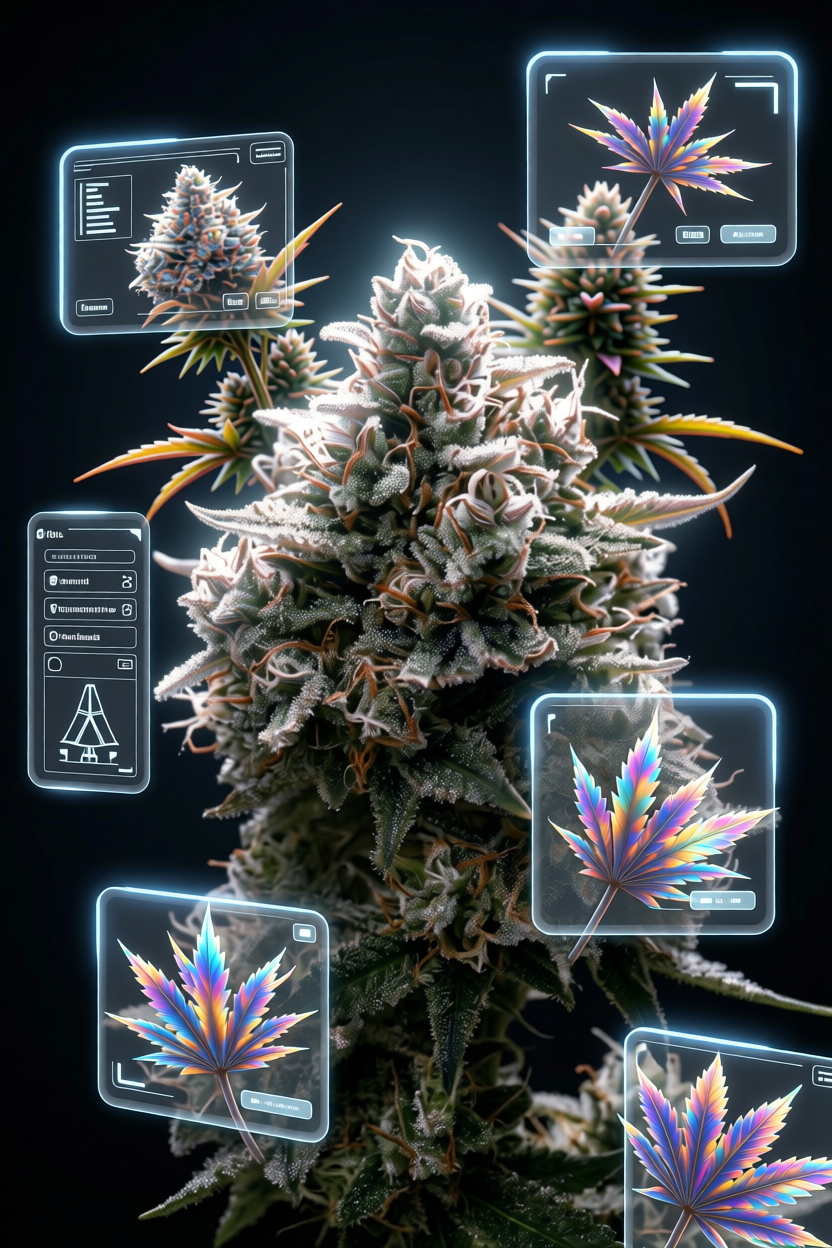
Sinsemilla: The Art and Science of High-Quality Female Cannabis
The term “sinsemilla” holds a revered place in the lexicon of cannabis enthusiasts and cultivators alike. Far more than just a buzzword, it represents a fundamental shift in cannabis cultivation practices that revolutionized the industry, elevating the plant’s quality and potency to unprecedented levels. At its core, sinsemilla is a testament to meticulous cultivation, a dedication to harnessing the full potential of the female cannabis plant.
The Etymology and Core Concept of Sinsemilla
The word “sinsemilla” is derived directly from Spanish, meaning “without seed.” This literal translation encapsulates the entire philosophy behind its production: preventing the female cannabis plant from being pollinated and thus producing seeds. This seemingly simple act has profound implications for the final product, leading to the high-quality female cannabis that has become the benchmark for excellence.
“Without Seed”: A Literal Translation with Profound Implications
For centuries, cannabis was often cultivated with little distinction between male and female plants, leading to crops laden with seeds. While these plants still produced cannabinoids, a significant portion of the plant’s energy was diverted into seed production. The realization that preventing this process could dramatically enhance the plant’s desirable characteristics was a game-changer. The absence of seeds means a cleaner, smoother, and more potent product, free from the harshness and reduced efficacy associated with seeded marijuana.
The Female Cannabis Plant: The Star of the Show
In the world of cannabis, it is the female plant that produces the cannabinoid-rich flowers, often referred to as buds. These flowers are covered in trichomes, tiny glandular structures responsible for synthesizing cannabinoids like THC and CBD, as well as terpenes, which contribute to the plant’s distinct aroma and flavor. When a female plant is pollinated by a male, its primary biological imperative shifts from producing these valuable compounds to developing seeds. By isolating female plants and preventing pollination, cultivators ensure that all of the plant’s metabolic energy is directed towards producing a robust, resinous, and highly potent flowering structure.
The Biology Behind Seedless Cannabis Production
Understanding sinsemilla requires a basic grasp of cannabis reproductive biology and the deliberate interventions cultivators employ.
Understanding Cannabis Reproduction
Cannabis is a dioecious plant, meaning it typically produces separate male and female plants. Male plants produce pollen in small sacs, while female plants develop pistils (stigmas) designed to capture this pollen. Once pollen lands on a female pistil, fertilization occurs, leading to the development of seeds within the flower. This natural reproductive cycle is essential for the plant’s survival in the wild but detrimental to the production of premium smokable or consumable cannabis.
Preventing Pollination: The Art of Sinsemilla Cultivation
The core principle of sinsemilla cultivation is the complete isolation of female plants from male pollen. This requires careful monitoring and intervention throughout the plant’s life cycle.
- Sexing Plants: Cultivators must accurately identify and remove male plants as soon as their sex becomes apparent, typically during the pre-flowering stage. This process, often called “roguing,” is critical. Even a single male plant can pollinate a large number of females, compromising the entire crop.
- Controlled Environments: Modern sinsemilla production often takes place in controlled indoor environments or greenhouses, where the risk of accidental pollination from wild male plants or neighboring outdoor grows can be minimized. Air filtration systems and sealed environments further ensure purity.
- Focus on Vegetative and Flowering Stages: With males removed, the female plants are allowed to mature through their vegetative growth phase and then transition into the flowering stage. During this crucial period, the plant, unburdened by the need to produce seeds, dedicates all its resources to developing larger, denser, and more resinous flowers.
Why Sinsemilla Reigns Supreme: Quality and Potency
The deliberate effort to produce sinsemilla directly translates into a superior end product, which is why it has become synonymous with high-quality cannabis.
Concentrated Cannabinoids and Terpenes
When a female cannabis plant is not pollinated, it continues to produce and accumulate cannabinoids and terpenes in its trichomes, essentially “waiting” for pollination that never comes. This extended period of cannabinoid synthesis leads to significantly higher concentrations of compounds like THC, resulting in a more potent “high.” The plant’s energy, which would otherwise be spent on seed development, is instead channeled into resin production, leading to a more robust and effective product. This is the primary reason why sinsemilla is considered premium weed.
Enhanced Flavor and Aroma Profiles
Terpenes are aromatic compounds found in cannabis that contribute to its unique scent and taste. Like cannabinoids, terpenes are produced in the trichomes. In sinsemilla, the plant’s focus on resin production means a richer and more complex terpene profile. This results in a more nuanced and enjoyable sensory experience, with distinct notes of citrus, pine, fuel, earth, or floral bouquets, depending on the specific strain. The absence of seeds also means no acrid taste or smell from burning plant matter that isn’t flower.
A Smoother, More Enjoyable Experience
Beyond potency and flavor, the physical absence of seeds significantly improves the user experience. Seeds, when present in marijuana, add weight, reduce the amount of usable flower, and can produce a harsh, acrid smoke when combusted. Sinsemilla offers a cleaner burn, a smoother draw, and a more pleasant overall consumption experience, free from the crackling and unpleasant taste of burning seeds.
The Evolution of Cannabis Cultivation and Sinsemilla’s Impact
The widespread adoption of sinsemilla techniques marked a pivotal moment in the history of cannabis cultivation, transforming it from a largely haphazard agricultural practice into a refined horticultural art.
From Landraces to Modern Hybrids
Historically, cannabis was often grown in fields, with male and female plants intermingling, resulting in seeded crops. The concept of sinsemilla, while perhaps practiced by some discerning cultivators in various regions, gained significant traction and became widely known in the latter half of the 20th century. This shift coincided with a growing demand for higher quality and potency, particularly in Western markets. It laid the groundwork for the meticulous breeding programs that have given rise to the vast array of modern cannabis strains and hybrids available today.
The Rise of Indoor Cultivation and Controlled Environments
The pursuit of consistent sinsemilla production greatly spurred the development and refinement of indoor cannabis cultivation techniques. Controlled environments allow growers to precisely manage light cycles, temperature, humidity, and nutrient delivery, optimizing conditions for female plants to thrive and produce abundant, seedless flowers. This technological advancement further solidified sinsemilla’s reputation as the gold standard for premium cannabis.
Sinsemilla as a Benchmark for Quality
Today, the term “sinsemilla” is often used interchangeably with “high-quality” or “top-shelf” weed or marijuana. While the industry has evolved to include even more sophisticated metrics for quality, the fundamental principle of seedless female flowers remains a cornerstone. It represents a commitment to maximizing the plant’s potential for cannabinoid and terpene production, ensuring a superior product for consumers.
Common Misconceptions and Clarifications
Despite its widespread recognition, some misconceptions about sinsemilla persist.
Sinsemilla is Not a Strain
It is crucial to understand that sinsemilla is not a specific genetic strain or variety of cannabis. Rather, it is a method of cultivation applicable to any female cannabis plant, regardless of its genetic lineage. You can have sinsemilla of an Indica, Sativa, or hybrid strain. The term describes the state of the flower – without seed – not its genetic makeup.
All Seedless Cannabis is Not Necessarily “High Quality”
While the absence of seeds is a prerequisite for high-quality female cannabis, it does not automatically guarantee excellence. Other factors play a vital role, including:
- Genetics: The inherent genetic potential of the strain.
- Growing Conditions: Optimal light, nutrients, temperature, and humidity.
- Harvesting Techniques: Proper timing for peak cannabinoid and terpene production.
- Curing and Storage: The post-harvest processes that preserve and enhance the flower’s characteristics.
A poorly grown, seedless plant will still be inferior to a well-cultivated one, even if both are technically sinsemilla. However, the potential for true excellence is only unlocked when the plant is grown without seed.
Conclusion
Sinsemilla, Spanish for “without seed,” represents a pivotal advancement in cannabis cultivation. By focusing on the unpollinated female cannabis plant, cultivators unlock its full potential, channeling all its energy into producing abundant trichomes rich in cannabinoids and terpenes. This meticulous approach yields high-quality flowers that are more potent, flavorful, and enjoyable to consume. The legacy of sinsemilla continues to shape the modern cannabis industry, serving as a foundational principle for producing the premium weed and marijuana that consumers have come to expect. It stands as a testament to the art and science of cultivating exceptional cannabis.