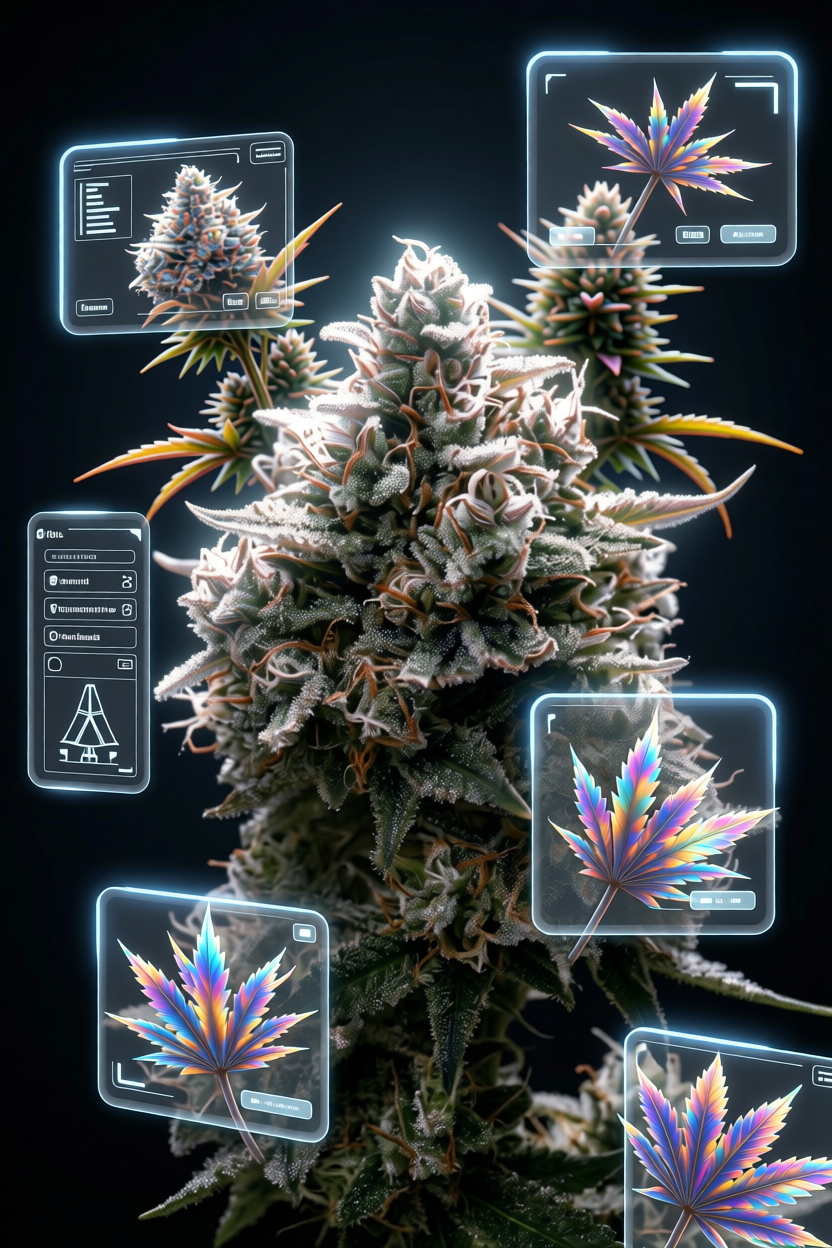
Sweating in Cannabis Curing: A Deep Dive into Moisture Translocation for Optimal Quality
The journey from a vibrant cannabis plant at harvest to a perfectly cured, aromatic product is a meticulous one, fraught with critical stages that determine its ultimate quality. Among these, “sweating” stands out as a fundamental, yet often misunderstood, process. Far from a mere byproduct of drying, sweating is a deliberate and essential phase of curing that profoundly impacts the final aroma, flavor, potency, and shelf-life of cannabis flower.
This article will meticulously explore the process of sweating, defining it as the controlled drawing of internal moisture out of the bud during curing. We will delve into its underlying mechanisms, its critical importance for achieving a premium product, and the best practices for optimizing this vital stage.
Understanding Sweating: The Core Process
At its heart, sweating is a phenomenon of moisture redistribution within the harvested cannabis bud. It occurs after the initial, more rapid surface drying, and is crucial for achieving a uniform moisture content throughout the plant material.
Defining Sweating in Cannabis Curing
In the context of marijuana and weed curing, sweating refers to the period where residual moisture from the interior of the dense floral structures (buds) migrates outwards to the surface. This process is driven by a moisture gradient: as the outer layers of the bud dry, they create a lower humidity environment compared to the still-moist interior. Nature abhors a vacuum, and moisture naturally seeks equilibrium, moving from areas of higher concentration to lower.
This internal migration of moisture is distinct from the initial rapid evaporation that occurs immediately after harvest. While initial drying focuses on removing surface water, sweating is about coaxing out the deeply embedded internal moisture that resides within the plant’s cells and vascular system.
The Biological Mechanism of Moisture Translocation
Even after a plant is cut from its roots, biological processes continue for a period. Plant cells still contain water, and the cell walls remain semi-permeable. As the external environment around the bud becomes drier, water molecules within the cells begin to move outwards. This movement is facilitated by osmosis and diffusion, where water passes through cell membranes from areas of higher water potential (inside the cells) to areas of lower water potential (the drier external environment and the surface of the bud).
The goal of this drawing of internal moisture is to achieve a uniform water activity level throughout the entire bud. If the interior remains too wet while the exterior is dry, it creates pockets of high humidity, which are prime breeding grounds for mold and anaerobic bacteria. Conversely, if the entire bud dries too quickly, it can trap chlorophyll and other undesirable compounds, leading to a harsh smoke and diminished flavor.
Why Sweating is Critical for Cannabis Quality
The proper execution of the sweating process is not merely a step in curing; it is a cornerstone of producing high-quality cannabis. Its impact reverberates across several key attributes of the final product.
Preventing Mold and Mildew
Perhaps the most immediate and critical benefit of effective sweating is the prevention of mold and mildew. As mentioned, uneven moisture distribution within the bud creates microclimates conducive to fungal growth. If the internal moisture is not adequately drawn out and allowed to dissipate, even seemingly dry buds can harbor hidden mold, rendering the product unsafe and unusable. The controlled reduction of water activity during this phase significantly mitigates this risk.
Preserving Terpenes and Cannabinoids
Terpenes, the aromatic compounds responsible for cannabis’s diverse scents and flavors, are highly volatile. Cannabinoids, while more stable, can also degrade under improper conditions. Rapid, uncontrolled drying can cause terpenes to evaporate prematurely, leading to a loss of aroma and flavor complexity.
Sweating, by facilitating a slower, more controlled release of moisture, helps to “lock in” these delicate compounds. As internal moisture slowly migrates, it allows the plant’s enzymes to break down chlorophyll and other undesirable compounds, while preserving the integrity of the terpenes and cannabinoids. This slow process is essential for the full development of the plant’s unique aromatic profile.
Enhancing Flavor and Smoothness
A well-sweated and cured bud will offer a significantly smoother, more enjoyable smoking or vaping experience. The breakdown of chlorophyll and other plant sugars during the extended curing and sweating phase removes the “green” or “grassy” taste often associated with improperly dried weed. The result is a cleaner, more refined flavor that allows the true terpene profile to shine through. The even moisture content also contributes to a more consistent burn.
The Stages of Curing and Sweating’s Role
To fully appreciate sweating, it’s important to understand its place within the broader curing timeline. Curing is typically divided into several overlapping phases, with sweating being a central component of the initial curing period.
Initial Drying Phase: Setting the Stage
Immediately after harvest, cannabis buds undergo an initial drying phase. This typically involves hanging whole plants or branches in a controlled environment. The goal here is to rapidly remove the bulk of the surface moisture until the outer layers of the buds feel dry to the touch and the smaller stems snap rather than bend. This phase usually takes 5-10 days, depending on environmental conditions and bud density. It’s crucial not to over-dry at this stage, as it can hinder the subsequent sweating process.
The Sweating Phase: Equilibrium and Redistribution
Once the initial drying is complete, and the buds have reached a point where their exterior feels dry but the interior still holds significant moisture, they are typically trimmed and placed into airtight containers (like glass jars or food-grade buckets). This is where the sweating process truly begins.
Sealing the buds in a container allows the internal moisture to equalize. The moisture from the center of the bud slowly migrates outwards, rehydrating the slightly drier outer layers and the air within the container. This raises the relative humidity inside the container, creating a more uniform moisture content throughout the bud. This phase is characterized by the need for regular “burping” – opening the containers to release humid air and introduce fresh air, which is essential for preventing mold and allowing the drawing of internal moisture to continue.
Long-Term Curing: Refining the Product
After the initial sweating phase, which can last from a few days to a couple of weeks, the buds enter the long-term curing phase. At this point, the internal moisture has largely stabilized, and the focus shifts to slower biochemical transformations. Enzymes continue to break down residual chlorophyll and other undesirable compounds, further enhancing the flavor and smoothness. While the most active sweating has concluded, the principles of controlled moisture and airflow remain paramount during this extended period, which can last for several weeks or even months for connoisseur-grade cannabis.
Environmental Factors Influencing Sweating
The effectiveness and safety of the sweating process are heavily dependent on environmental controls. Mastering these factors is key to successful curing.
Temperature and Relative Humidity
These are the two most critical environmental variables. For optimal sweating and curing, a stable temperature range of 60-70°F (15-21°C) and a relative humidity (RH) of 58-62% are generally recommended during the burping phase.
- Too High Humidity: If the RH inside the container remains too high for too long, it creates a stagnant, moist environment perfect for mold growth, negating the benefits of drawing internal moisture.
- Too Low Humidity: If the environment is too dry, the internal moisture will be drawn out too quickly, leading to over-drying and a harsh product, without allowing sufficient time for the beneficial biochemical changes.
Airflow and Ventilation
While buds are in sealed containers during sweating, the periodic introduction of fresh air (burping) is a form of ventilation. This airflow helps to:
- Dispel excess humid air that has accumulated from the drawing of internal moisture.
- Replenish oxygen, which is necessary for some of the beneficial enzymatic reactions.
- Prevent the buildup of undesirable gases.
Bud Density and Size
Denser, larger buds will naturally hold more internal moisture and require a longer sweating process compared to smaller, looser buds. This is because the moisture has a longer path to travel from the core to the surface. Experienced cultivators often separate buds by size and density to ensure each batch receives appropriate attention during curing.
Best Practices for Optimizing the Sweating Process
Achieving perfectly cured cannabis requires vigilance and a nuanced understanding of the sweating process.
Monitoring Moisture Content
The most reliable way to monitor moisture content during sweating is through feel and smell. Buds should feel slightly springy and resilient, not brittle or overly soft. The stems should snap cleanly. Many cultivators also use hygrometers placed inside curing jars to precisely monitor the relative humidity, aiming for that 58-62% RH sweet spot. This provides an objective measure of the internal moisture equilibrium.
The Importance of “Burping”
Burping is the cornerstone of the sweating phase. It involves opening the curing containers for a period (typically 15-60 minutes) to exchange the humid, stale air inside with fresh, drier air.
- Frequency: Initially, during the first week or two of sweating, burping may be necessary multiple times a day. As the moisture content stabilizes, the frequency can be reduced to once a day, then every few days, and eventually once a week for long-term storage.
- Observation: The decision to burp should always be guided by observation. If you detect a strong, “wet” smell, or if the buds feel damp, more frequent burping is required.
Avoiding Common Pitfalls
- Over-packing Jars: Jars should be filled about 75% full, leaving enough air space for moisture exchange and preventing compaction.
- Inconsistent Environment: Fluctuations in temperature and humidity can disrupt the sweating process and lead to uneven curing.
- Impatience: Rushing the sweating and curing process is the most common mistake. It takes time for the internal moisture to equalize and for the beneficial biochemical changes to occur.
The Consequences of Improper Sweating
Failure to properly manage the sweating process can have severe repercussions on the final product, diminishing its quality and potentially rendering it unusable.
Over-Drying and Brittleness
If buds are allowed to dry too quickly or for too long during the initial drying phase, or if the sweating environment is too dry, the internal moisture will be stripped away prematurely. This results in brittle, crumbly buds that lose their structural integrity. More importantly, over-drying can lead to the irreversible loss of volatile terpenes, resulting in a muted aroma and harsh smoke.
Under-Drying and Mold Risk
Conversely, if the internal moisture is not adequately drawn out and dissipated during sweating, or if burping is insufficient, the buds will remain too wet. This creates an ideal environment for mold and mildew to proliferate, particularly in the dense interior of the buds. Moldy cannabis is not only unappealing but also a health hazard.
Degradation of Desirable Compounds
Improper moisture levels and environmental conditions during sweating can accelerate the degradation of cannabinoids like THC and CBD, reducing the overall potency of the weed. Furthermore, the delicate terpene profiles can be compromised, leading to a less flavorful and aromatic experience. The chlorophyll breakdown process can also be hindered, leaving behind a “green” taste.
Conclusion
The process of sweating is an indispensable stage in the curing of cannabis, acting as the critical bridge between initial drying and long-term preservation. By understanding that sweating is the controlled drawing of internal moisture out of the bud during curing, cultivators can meticulously manage environmental factors and implement best practices to achieve a superior product.
From preventing devastating mold outbreaks to preserving the intricate terpene profiles and enhancing the overall smoothness and flavor, proper sweating is paramount. It is a testament to the fact that patience, precision, and a deep understanding of the plant’s biology are essential for transforming a harvest into truly exceptional marijuana. Mastering this nuanced process is a hallmark of an experienced cultivator and the key to unlocking the full potential of the cannabis plant.