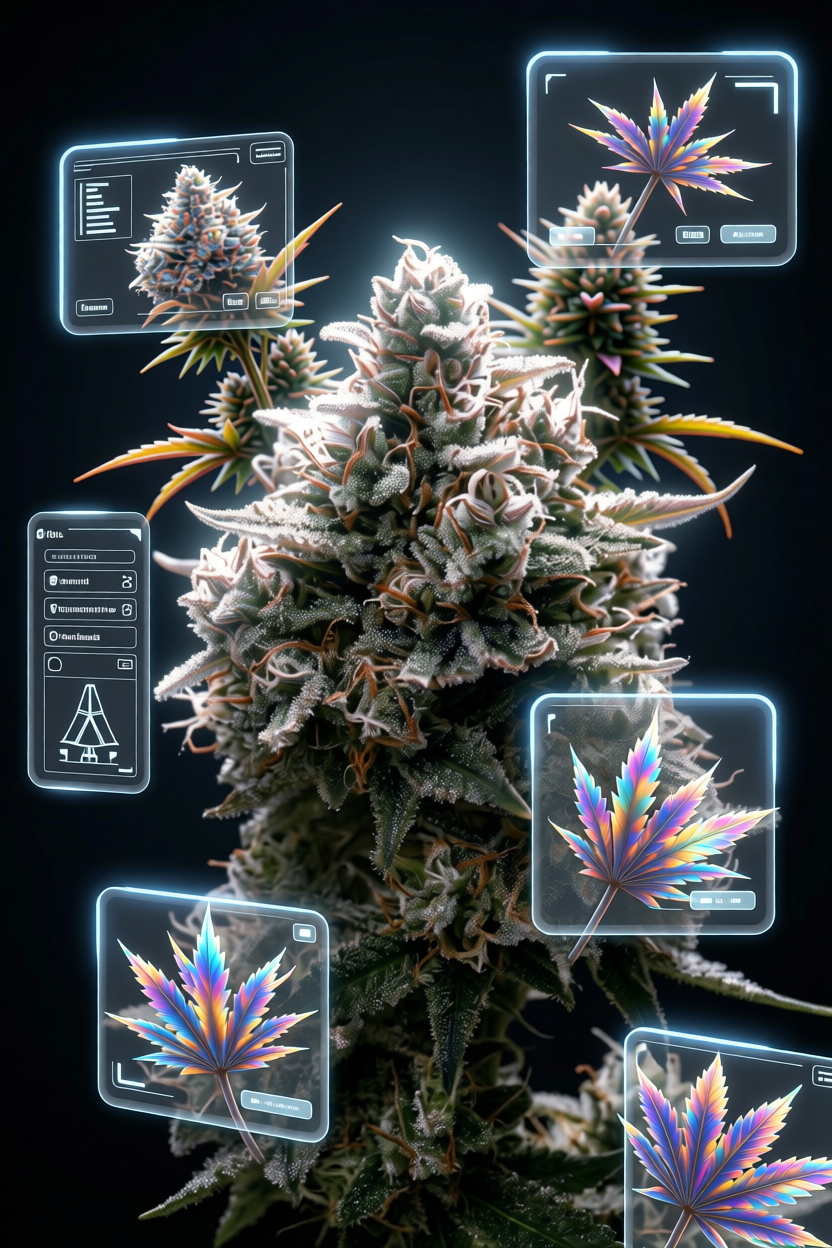
Burping Cannabis: The Essential Daily Ritual for Optimal Curing and Preservation
The journey from a vibrant cannabis plant to a perfectly cured, ready-to-enjoy product is a meticulous one, demanding attention to detail at every stage. While cultivation and drying receive significant focus, the often-underestimated process of “burping” plays a pivotal role in determining the final quality, aroma, flavor, and longevity of the harvest. Far from a mere formality, burping involves the systematic opening of jars daily to release moisture and gases, a critical step that ensures the proper curing of cannabis or marijuana. This article delves into the science and methodology behind this essential practice, establishing its importance for any serious cultivator.
The Science Behind Curing and Burping
To truly appreciate the necessity of burping, one must first understand the intricate biochemical transformations that occur during the curing phase. Curing is not simply drying further; it’s a controlled process of degradation and conversion that refines the raw plant material.
What is Curing?
Curing is a post-harvest process that follows initial drying, typically lasting from a few weeks to several months. Its primary goals are:
- Chlorophyll Breakdown: The green pigment, chlorophyll, imparts a harsh, grassy taste to un-cured weed. Curing allows enzymes to break down this chlorophyll, resulting in a smoother, more palatable smoke.
- Cannabinoid Conversion: While THC and CBD are largely formed during flowering, curing facilitates further conversion of precursor cannabinoids (like THCA and CBDA) into their active forms, potentially enhancing potency and therapeutic effects.
- Terpene Development and Preservation: Terpenes are the aromatic compounds responsible for the unique scent and flavor profiles of different cannabis strains. Curing helps to preserve these volatile compounds and allows them to fully develop, contributing to a richer, more nuanced experience.
The Role of Moisture Content
Maintaining the correct moisture level is paramount during curing. After initial drying, cannabis flowers should feel dry to the touch on the outside but still retain a slight pliability, indicating internal moisture. The ideal internal moisture content for jarring is typically between 8-12%.
- Too Much Moisture: If the marijuana is jarred with excessive moisture, it creates an anaerobic environment ripe for the growth of mold and mildew. This can quickly ruin an entire harvest, rendering it unsafe for consumption. The presence of too much moisture also hinders proper chlorophyll breakdown and terpene development.
- Too Little Moisture: Conversely, if the cannabis is over-dried before jarring, the curing process effectively halts. This results in a brittle product that burns quickly, tastes harsh, and lacks the full aromatic and flavor potential. The delicate terpenes can also degrade rapidly in overly dry conditions.
Gas Exchange and Byproducts
During the initial stages of curing within sealed jars, the plant material continues to respire. This respiration, along with the enzymatic breakdown of compounds like chlorophyll, releases various gases as byproducts. These gases include:
- Carbon Dioxide (CO2): A natural byproduct of plant respiration.
- Ammonia: Released as proteins and other nitrogenous compounds break down. Ammonia contributes to a harsh, unpleasant smell and taste if not dissipated.
- Other Volatile Organic Compounds (VOCs): Some undesirable VOCs can be trapped, contributing to off-flavors.
The accumulation of these gases within the sealed environment of the jars can create an undesirable atmosphere, inhibiting proper curing and potentially leading to the development of mold if combined with high moisture. This is precisely where the act of burping becomes indispensable.
The Mechanics of Burping: A Daily Ritual
Burping is a straightforward yet critical practice that involves regularly opening sealed containers to facilitate gas exchange and manage moisture levels.
Preparation for Curing
Before burping begins, the cannabis must be properly dried. The goal is for the outer layers of the buds to be dry, but the inner core should still retain some moisture. Stems should snap rather than bend. Once this stage is reached, the trimmed weed is carefully placed into airtight containers, most commonly glass mason jars, filling them about 75-80% to allow for air circulation.
The Burping Process Explained
The core of burping involves a consistent, controlled release of the air and gases trapped within the jars.
- Initial Phase (First 1-2 Weeks): For the first week or two after jarring, jars should be opened daily. This means unscrewing the lid, allowing fresh air to enter and stale, moisture-laden air and accumulated gases to escape. The duration of this opening can vary, but typically ranges from 15 minutes to an hour. Some cultivators prefer to gently tumble the buds during this time to ensure even exposure to fresh air.
- Mid-Cure Phase (Weeks 3-6): As the moisture content stabilizes and the initial burst of gas production subsides, the frequency of burping can be reduced. Instead of daily, jars might be opened every other day, or even every few days, for a similar duration. The key is to monitor the buds closely.
- Long-Term Curing (Beyond 6 Weeks): For extended curing, burping might only be necessary once or twice a week, or even less frequently, as the internal environment becomes more stable.
Identifying Optimal Conditions
Experienced cultivators rely on their senses to guide the burping process:
- Smell: Upon opening a jar, a pleasant, distinct cannabis aroma should be present. A strong smell of ammonia, hay, or a musty odor indicates problems. Ammonia suggests too much moisture and rapid breakdown, while hay indicates chlorophyll breakdown without proper gas release. Mustiness is a clear sign of mold.
- Feel: The buds should feel slightly sticky and pliable, not brittle or overly damp. If they feel wet, they need more air exposure. If they feel too dry, the curing process may have stalled.
- Visual Inspection: Regularly check for any signs of mold (white, fuzzy patches).
Why Burping is Non-Negotiable for Quality Cannabis
The diligent practice of burping is not merely a suggestion; it is a fundamental requirement for achieving a premium final product.
Preventing Mold and Mildew
This is perhaps the most critical function of burping. By regularly releasing trapped moisture and allowing fresh air exchange, the risk of mold and mildew developing within the jars is drastically reduced. Mold thrives in stagnant, humid environments, and burping actively disrupts these conditions, safeguarding the entire harvest.
Enhancing Flavor and Aroma (Terpenes)
Proper burping allows the undesirable gases (like ammonia) to dissipate, preventing them from imparting harsh flavors. Simultaneously, it creates an optimal environment for the delicate terpenes to mature and express their full aromatic potential. The result is a smoother, more flavorful, and more aromatic marijuana product that truly reflects its genetic profile.
Improving Potency and Smoothness
The controlled breakdown of chlorophyll and other compounds during curing, facilitated by consistent burping, contributes to a much smoother smoking or vaping experience. Harshness is minimized, and the full spectrum of cannabinoids and terpenes can be appreciated without interference from undesirable byproducts. While burping doesn’t directly increase cannabinoid content, it ensures that the existing cannabinoids are presented in their most refined and enjoyable form.
Achieving Long-Term Preservation
Well-cured and properly burped cannabis is significantly more stable for long-term storage. By stabilizing the moisture content and removing corrosive gases, the product is less prone to degradation, maintaining its quality, potency, and flavor for many months, if not longer.
Troubleshooting Common Burping Issues
Even with careful attention, issues can arise during the curing process.
Too Wet/Mold Risk
If, upon opening the jars, the buds feel overly damp, stick together, or emit an ammonia-like smell, they are too wet.
- Solution: Immediately remove the weed from the jars and spread it out on a drying rack for several hours, or even a full day, in a controlled environment (cool, dark, good airflow). Once the surface feels drier, return it to the jars and resume burping more frequently and for longer durations. Discard any buds showing visible mold.
Too Dry/Harsh Smoke
If the buds are brittle, crumble easily, or have lost their aroma, they may have been over-dried before jarring or during burping.
- Solution: While difficult to fully reverse, you can attempt to reintroduce a small amount of moisture. This can be done by adding a small, fresh fan leaf (not a sugar leaf) to the jar for a few hours, or by using specialized humidity packs designed for cannabis storage. Monitor closely to avoid over-humidifying.
Off-Smells
A persistent smell of hay or cut grass indicates that chlorophyll is breaking down too slowly or that gases are not being adequately released.
- Solution: Increase the frequency and duration of burping. Ensure the jars are not overfilled, allowing sufficient air space. Patience is key; this smell often dissipates with continued, proper curing.
Conclusion
The act of burping cannabis jars daily to release moisture and gases is far more than a simple chore; it is the final, crucial step in transforming a raw harvest into a premium product. By meticulously managing the internal environment of the curing jars, cultivators prevent spoilage, enhance the delicate terpene profiles, refine the cannabinoid experience, and ensure long-term preservation. This disciplined approach to burping is the hallmark of an expert cultivator, yielding marijuana that is smooth, flavorful, potent, and a true testament to the art and science of cannabis cultivation.