Understanding Popcorn Buds: A Comprehensive Guide for Cannabis Cultivators
In the intricate world of cannabis cultivation, growers meticulously tend to their plants, aiming for robust, dense, and potent flowers. However, a common phenomenon that often arises, particularly on the lower reaches of the plant, is the development of what are colloquially known as “popcorn buds.” These small, airy buds, while a natural part of the plant’s growth cycle, represent a specific challenge and opportunity for cultivators. This article will delve deeply into the nature of popcorn buds, exploring their formation, impact, and strategies for management, offering an expert perspective on this often-misunderstood aspect of cannabis cultivation.
What Exactly Are Popcorn Buds?
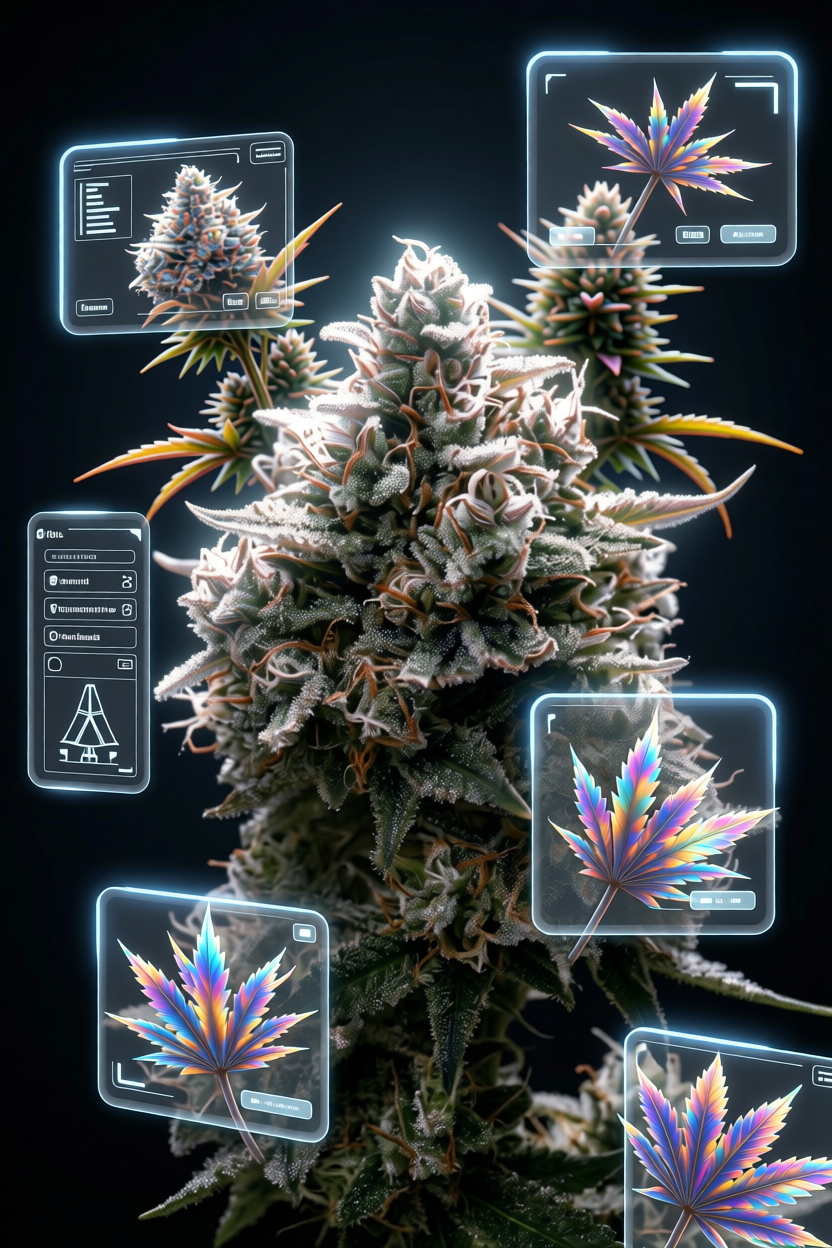
Popcorn buds are precisely what their name suggests: cannabis flowers that are significantly smaller and less dense than the primary, top-shelf colas. They are characterized by their small, airy structure, often resembling the unpopped kernels or smaller, less developed pieces of popcorn. These buds typically form on the lower branches and interior sections of the cannabis plant, areas that receive suboptimal light exposure and airflow during the flowering stage.
Unlike the large, tightly packed flowers that develop at the canopy’s surface, popcorn buds exhibit a looser calyx structure and a lower concentration of trichomes, the resin glands responsible for cannabinoid and terpene production. While they are still legitimate marijuana flowers, their reduced size and density mean they generally possess less potency and visual appeal compared to their larger counterparts. Understanding why these buds that form in such a manner is crucial for optimizing overall harvest quality.
The Science Behind Their Formation
The development of popcorn buds is not random; it’s a direct consequence of the plant’s physiological responses to its environment and genetic predispositions. Several key factors contribute to their characteristic formation.
Light Penetration and Distribution
The most significant factor contributing to the formation of popcorn buds is insufficient light penetration. Cannabis plants are phototropic, meaning they grow towards light, and light energy is the primary driver of photosynthesis. During the flowering phase, intense light is critical for the development of large, dense flowers.
- Canopy Dynamics: The dense canopy of a mature cannabis plant naturally shades its lower regions. The upper buds and leaves monopolize the available light, leaving the lower branches in relative darkness.
- Reduced Photosynthesis: With less light, the plant’s ability to photosynthesize in these shaded areas is severely diminished. This means less energy is produced and allocated to the buds that form there.
- Energy Allocation: The plant prioritizes energy and nutrient delivery to the most productive sites – typically the main colas and upper buds that receive ample light. Consequently, the small, airy buds on the lower branches receive fewer resources, resulting in their underdeveloped state.
Nutrient Allocation
Similar to light, nutrient allocation plays a vital role. While the entire plant receives nutrients, the distribution isn’t uniform. The plant’s internal mechanisms direct a greater proportion of essential nutrients (especially phosphorus and potassium during flowering) to the areas with the highest potential for yield and reproduction. The popcorn buds on the lower branches, being less productive due to light deprivation, receive a lower share of these critical building blocks, further hindering their development.
Airflow and Humidity
While less direct than light, poor airflow can exacerbate the issue. Stagnant air around the lower branches can lead to higher humidity levels, which can stress the plant and make it more susceptible to mold and mildew. While not a direct cause of small buds, it can indirectly impact their health and development, making them even less appealing. Good airflow ensures a consistent environment and helps the plant transpire efficiently, which is vital for nutrient uptake.
Genetic Predisposition
Some weed strains are inherently more prone to producing popcorn buds than others. Sativa-dominant strains, for instance, often grow taller and stretchier, creating more internal shading and a greater likelihood of underdeveloped buds on their lower branches. Indica-dominant strains, with their bushier growth, can also suffer from internal shading if not properly managed. Understanding the genetic tendencies of your marijuana plants can help anticipate and mitigate the formation of these small, airy buds.
The Impact of Popcorn Buds on Harvest Quality and Yield
While popcorn buds are a natural byproduct of cultivation, their presence has tangible implications for the overall quality and quantity of a harvest.
Reduced Potency and Density
The most significant impact of popcorn buds is their reduced potency. With less light and fewer nutrients, these small, airy buds produce fewer trichomes. This directly translates to lower concentrations of cannabinoids like THC and CBD, as well as terpenes, which contribute to flavor and aroma. Consequently, the experience of consuming popcorn buds is often less intense and flavorful than that of prime flowers. Their loose, airy structure also makes them less appealing visually and less efficient to trim.
Yield Considerations
From a purely quantitative perspective, popcorn buds do contribute to the total dry weight of a harvest. However, this contribution comes at a cost. The plant expends energy and resources to develop these buds, energy that could have been redirected to the more productive upper colas. This concept is often referred to as “diminishing returns.” While they add weight, their low quality means they don’t add equivalent value, potentially reducing the overall efficiency and profitability of a grow.
Strategies to Minimize Popcorn Bud Formation
Experienced cultivators employ various techniques to minimize the formation of popcorn buds and redirect the plant’s energy towards producing larger, more potent flowers.
Pruning and Defoliation
- Lollipopping: This aggressive pruning technique involves removing all growth (leaves and buds) from the lower branches of the plant, typically up to about 30-50% of its height, before or early in the flowering stage. The goal is to create a “lollipop” shape, concentrating all the plant’s energy on the upper canopy where light is abundant. This ensures that only the most productive buds that form receive resources.
- Strategic Defoliation: Removing select fan leaves that shade potential bud sites or impede airflow can significantly improve light penetration to the mid-canopy. This should be done judiciously to avoid stressing the plant.
Training Techniques
Plant training methods are designed to manipulate the plant’s structure to create a more even canopy, ensuring that more buds receive optimal light.
- SCROG (Screen of Green): This technique involves growing plants through a horizontal screen, weaving branches through the mesh to create an even, flat canopy. This maximizes the number of top colas and minimizes shaded lower branches, effectively preventing popcorn buds from forming.
- LST (Low Stress Training): Gently bending and tying down branches encourages lateral growth and creates multiple main colas, rather than a single dominant one. This distributes light more evenly across the plant.
- HST (High Stress Training): Techniques like topping and fimming involve removing or damaging the main growth tip to encourage the development of multiple main stems, leading to a bushier plant with more primary bud sites.
Optimized Lighting
Ensuring adequate light intensity and coverage is paramount.
- Proper Light Placement: Positioning grow lights at the correct height is crucial. Too far, and intensity drops; too close, and heat stress can occur.
- Supplemental Lighting: For larger grow spaces or particularly tall plants, side lighting or supplemental LEDs can help penetrate the canopy and provide light to the lower branches, reducing the incidence of popcorn buds.
- Reflective Surfaces: Using reflective materials on walls and floors can bounce light back towards the plant, improving overall light distribution.
Environmental Control
Maintaining optimal environmental conditions supports overall plant health and vigor, allowing it to better utilize available resources.
- Airflow: Ensuring good air circulation throughout the canopy, especially around the lower branches, prevents stagnant air pockets and helps regulate temperature and humidity, reducing stress on the plant.
- Temperature and Humidity: Keeping these parameters within optimal ranges for the flowering stage minimizes stress and maximizes the plant’s ability to photosynthesize and develop robust buds.
Strain Selection
Choosing cannabis genetics known for producing dense, uniform buds and less prone to excessive stretching can also help. Researching specific weed or marijuana strains and their growth habits can inform cultivation decisions.
What to Do With Popcorn Buds?
While popcorn buds may not be ideal for display or premium sale, they are far from useless. They still contain cannabinoids and terpenes, making them valuable for various applications.
Extraction Material
Popcorn buds are excellent candidates for extraction. Their lower visual appeal and density are irrelevant when processing them into concentrates like:
- Rosin: A solventless extract produced by applying heat and pressure.
- Hash: Concentrated resin glands separated from the plant material.
- BHO/CO2 Oil: Solvent-based extracts that efficiently strip cannabinoids and terpenes.
These extracts offer a potent and versatile way to utilize the cannabinoid content of popcorn buds.
Edibles and Tinctures
The cannabinoid content in popcorn buds makes them perfect for decarboxylation and infusion into oils or butters for edibles. They can be used to create a wide range of infused products, from baked goods to savory dishes, or steeped in alcohol to make tinctures. This is a highly efficient way to consume the cannabinoids present in these small, airy buds.
Personal Use
For personal consumption, popcorn buds are perfectly viable. While less potent than top-shelf flowers, they still offer a pleasant experience. They can be smoked or vaporized, providing a milder effect that some users prefer. They are also a good option for those who want to conserve their premium buds for special occasions.
Conclusion
Popcorn buds are an inherent part of cannabis cultivation, representing the plant’s natural response to environmental factors, primarily light deprivation, on its lower branches. While they are small, airy buds that form and possess reduced potency and density compared to prime flowers, understanding their genesis is key to effective cultivation. By implementing strategic pruning, training, and environmental control techniques, cultivators can significantly minimize their formation, redirecting the plant’s energy to produce a higher yield of premium buds. Furthermore, recognizing the value of popcorn buds for extractions, edibles, or personal use ensures that no part of the hard-earned harvest goes to waste. Mastery of these concepts is a hallmark of an experienced marijuana cultivator, transforming a potential drawback into an opportunity for efficiency and versatility.