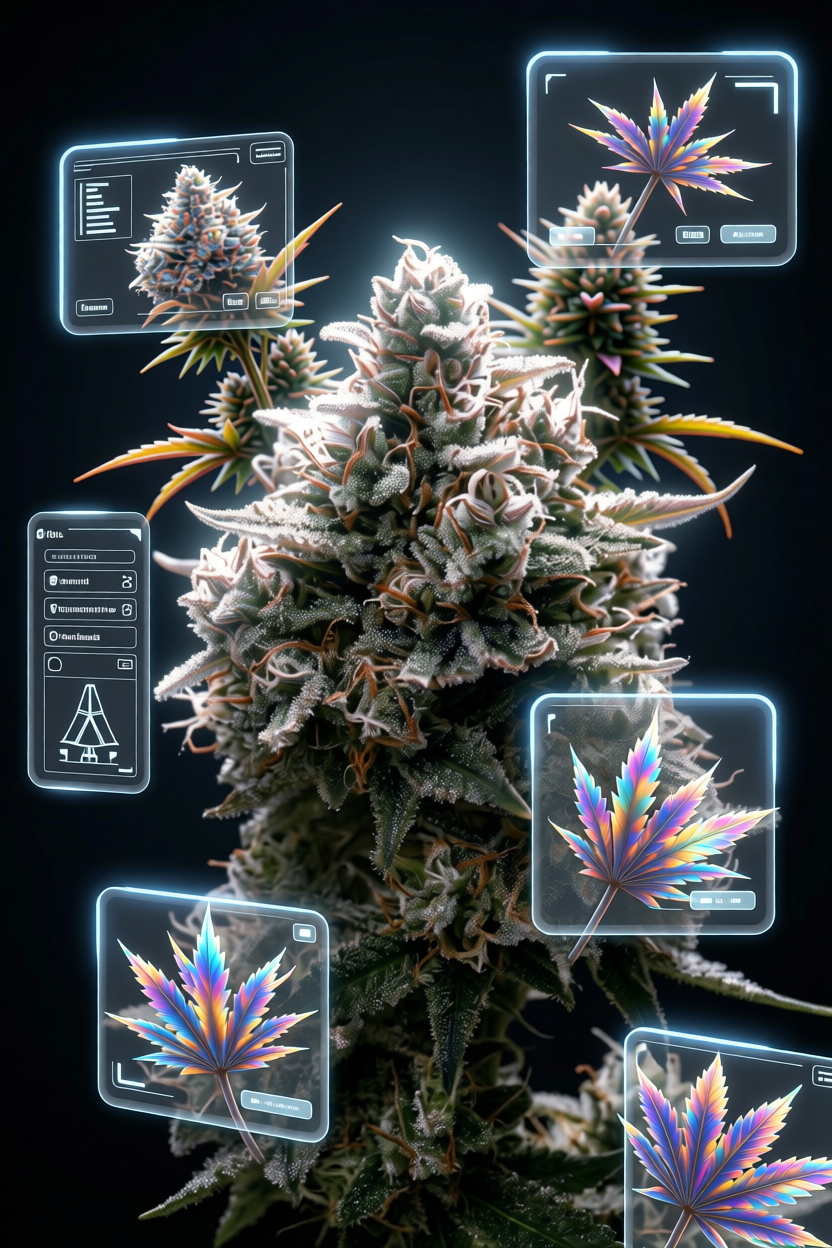
The Hermaphrodite (Hermie) Cannabis Plant: Understanding a Grower’s Challenge
In the intricate world of cannabis cultivation, understanding plant biology is paramount to achieving a successful harvest. One of the most significant challenges a grower can face is the emergence of a hermaphrodite, or “hermie,” plant. This phenomenon, where a single plant develops both male and female flowers, can jeopardize an entire crop, turning what should be potent, seedless buds into a seeded, lower-quality product. This article will delve deep into the nature of hermaphroditism in cannabis, exploring its causes, identification, impact, and strategies for prevention and management.
Understanding Plant Sex in Cannabis
To fully grasp the implications of a hermaphrodite plant, it’s essential to first understand the typical sexual reproduction of cannabis. Cannabis (Cannabis sativa L.) is predominantly a dioecious species, meaning individual plants are typically either male or female.
- Female Plants: These are the coveted plants for cultivators seeking high-quality cannabis. Female plants produce resinous flowers (buds) rich in cannabinoids like THC and CBD. When unpollinated, these flowers continue to swell and produce more resin, a state known as “sinsemilla” (Spanish for “without seeds”).
- Male Plants: Male plants produce small, ball-like pollen sacs that release pollen. Their primary purpose is to fertilize female plants. While male plants are crucial for breeding programs, they are generally undesirable in a cultivation setting focused on producing smokable or extractable flower, as they contain very low levels of cannabinoids in their vegetative material.
The goal of most cannabis growers is to cultivate exclusively female plants and prevent them from being pollinated, thereby maximizing the yield and potency of their harvest. This is where the hermaphrodite plant introduces a significant complication.
What is a Hermaphrodite (Hermie) Plant?
A hermaphrodite (hermie) cannabis plant is an individual that develops both male and female reproductive structures on the same plant. Instead of being distinctly male or female, this plant exhibits characteristics of both sexes. This can manifest in two primary ways:
- True Hermaphroditism (Genetic): In this scenario, the plant is genetically predisposed to express both sexes. It will develop distinct male pollen sacs and female pistillate flowers (buds) simultaneously on different parts of the same plant. This is a stable genetic trait, often passed down through unstable genetics.
- Monoecious/Intersex (Stress-Induced): More commonly, what growers refer to as a “hermie” is a female plant that, under severe stress, begins to develop male reproductive organs. Instead of forming distinct pollen sacs, these plants often produce exposed stamens, commonly referred to as “bananas” due to their elongated, yellow appearance. These “bananas” are essentially male anthers that emerge directly from within the female calyxes and can release viable pollen. This is a survival mechanism, where the plant, feeling threatened, attempts to self-pollinate to ensure the propagation of its species before it dies.
Regardless of the specific manifestation, the outcome is the same: the presence of male reproductive organs capable of producing pollen that can fertilize female flowers, including its own.
Why Do Cannabis Plants Become Hermaphrodites?
The development of a hermaphrodite plant is typically a response to either genetic predisposition or environmental stress. Understanding these factors is crucial for prevention.
Genetic Predisposition
Some cannabis strains are simply more prone to hermaphroditism than others. This instability can be a result of:
- Poor Breeding Practices: If breeders do not rigorously select stable parent plants and eliminate those with hermaphroditic tendencies, the trait can be passed down to offspring.
- Inbreeding: Extensive inbreeding without proper selection can sometimes lead to genetic weaknesses, including an increased likelihood of intersex traits.
- Landrace Genetics: While often robust, some landrace strains, particularly those from harsh environments, may have evolved a tendency towards monoecy as a survival strategy to ensure reproduction in challenging conditions.
- Feminized Seeds: While designed to produce only female plants, poorly produced feminized seeds can sometimes carry a higher risk of hermaphroditism if the feminization process (often involving colloidal silver or STS) was not executed perfectly on stable genetics.
Environmental Stress
Even genetically stable female plants can turn hermaphrodite if subjected to significant stress during their life cycle, particularly during the critical flowering stage. The plant interprets these stressors as a threat to its survival and attempts to self-pollinate as a last-ditch effort to reproduce. Common environmental stressors include:
- Light Cycle Interruptions (Light Leaks): This is perhaps the most common cause. During the dark period of the flowering cycle, even a small amount of light can confuse the plant’s photoperiodic clock, signaling instability and triggering hermaphroditism. Irregular light schedules or prolonged dark periods can also contribute.
- Temperature Extremes: Temperatures that are consistently too high or too low, or drastic fluctuations between day and night temperatures, can stress the plant.
- Humidity Fluctuations: Inconsistent or extreme humidity levels (too high or too low) can also be a stressor.
- Nutrient Imbalances: Both nutrient deficiencies (e.g., calcium, magnesium) and nutrient toxicities (overfeeding) can severely stress a plant. Incorrect pH levels, which lock out nutrient uptake, fall into this category.
- Water Stress: Chronic underwatering or overwatering can damage roots and stress the plant.
- Physical Damage: Excessive pruning, topping, fimming, or accidental breakage of branches, especially late in the vegetative or early flowering stage, can induce stress.
- Pest and Disease Pressure: Severe infestations of pests (spider mites, thrips) or fungal diseases can weaken the plant and trigger a hermaphroditic response.
- Chemical Stress: Overuse of pesticides, fungicides, or even certain growth regulators can sometimes induce stress.
- Late Flowering Stage: As a cannabis plant nears the end of its natural life cycle, if it hasn’t been pollinated, it may make a final attempt to reproduce by developing male flowers. This is often seen in plants left to flower for extended periods beyond their optimal harvest window.
Identifying a Hermaphrodite Plant
Early detection is crucial to mitigate the damage a hermaphrodite plant can inflict on a grow. Regular, thorough inspection of your plants, especially during the pre-flowering and early flowering stages, is essential.
What to Look For:
- Male Flowers/Pollen Sacs: These appear as small, smooth, round, ball-like structures, often growing in clusters at the nodes (where branches meet the main stem) or along the stems. Initially, they might resemble tiny green peas. As they mature, they will elongate slightly and develop a yellowish hue before splitting open to release pollen.
- Female Flowers/Pistils: These are the familiar “buds” characterized by small calyxes from which white, hair-like pistils emerge. These pistils will eventually change color (red, orange, brown) as the flower matures.
- “Bananas” (Exposed Stamens): These are the most common sign of stress-induced hermaphroditism. They look like small, yellow, elongated structures, resembling tiny bananas, emerging directly from within the female calyxes. Unlike distinct pollen sacs, these are exposed stamens that are already capable of releasing pollen. They often appear nestled within the developing female flowers themselves.
When to Check: Begin inspecting your plants daily from the moment they transition into the flowering phase (typically 12/12 light cycle indoors). Pay close attention to the nodes, the undersides of leaves, and within the developing flower clusters.
The Impact of Hermaphroditism on a Grow
The presence of a hermaphrodite plant can have devastating consequences for a cannabis cultivation operation focused on producing high-quality sinsemilla.
- Pollination and Seeded Buds: The primary concern is the release of pollen. Once male pollen sacs or “bananas” mature and open, they release microscopic pollen grains that can travel through the air, carried by fans or even on clothing. This pollen will then fertilize any nearby female flowers.
- Reduced Potency and Quality: When a female flower is pollinated, its energy shifts from producing cannabinoids and terpenes to producing seeds. This significantly reduces the overall potency (THC, CBD content), flavor, aroma, and resin production of the final product.
- Lower Yield: Seeded buds are less dense and contain less desirable plant material, leading to a lower overall yield of usable flower.
- Spread to Other Plants: A single hermaphrodite plant can pollinate an entire grow room, turning a potential harvest of premium sinsemilla into a crop full of seeds.
- Reduced Market Value: Seeded cannabis is far less desirable to consumers and commands a significantly lower price in the market. It’s often considered “bag seed” quality.
Managing and Preventing Hermaphroditism
While completely eliminating the risk of hermaphroditism might be impossible, growers can significantly reduce its likelihood and manage its impact through careful practices.
1. Genetic Selection
- Reputable Breeders: Always source seeds or clones from reputable breeders known for producing stable, feminized genetics. Research strains known for their stability and resistance to stress.
- Avoid Unstable Genetics: Be wary of “bag seeds” or seeds from unknown origins, as their genetic stability is often questionable.
- Strain Research: Some strains are inherently more prone to “hermie-ing” than others. Research the specific strain you plan to grow for any known tendencies.
2. Optimal Environmental Control
- Strict Light Cycles: Maintain an absolutely airtight dark period during flowering. Eliminate all light leaks from doors, vents, equipment lights, or cracks. Use a timer for consistent light schedules.
- Stable Temperature and Humidity: Keep temperatures within the optimal range (typically 68-78°F or 20-25°C during the day, slightly cooler at night) and humidity levels appropriate for the flowering stage (40-50%). Avoid drastic fluctuations.
- Balanced Nutrition and pH: Provide a consistent, balanced nutrient regimen appropriate for the plant’s stage of growth. Monitor and maintain the pH of your nutrient solution within the optimal range (typically 5.8-6.2 for hydro, 6.0-7.0 for soil).
- Consistent Watering: Avoid both chronic underwatering (wilting) and overwatering (root rot). Allow the topsoil to dry out slightly between waterings.
3. Stress Reduction
- Gentle Handling: Minimize physical damage to plants. Be gentle when pruning, training, or moving them.
- Pest and Disease Management: Implement proactive pest and disease prevention strategies. Address any infestations or infections promptly and effectively to reduce plant stress.
- Avoid Late-Stage Stress: Try to avoid major environmental changes or intense training techniques once the plant has entered the flowering stage.
4. Regular Inspection and Early Detection
- Daily Checks: Inspect all your plants daily, especially during the pre-flowering and early flowering stages. Pay close attention to the nodes, the undersides of leaves, and within the developing flower clusters for any signs of male flowers or “bananas.”
- Magnification: Use a jeweler’s loupe or magnifying glass to get a closer look at suspicious structures.
5. Action Upon Discovery
- Immediate Removal (Recommended): If you discover a plant that develops significant male flowers or “bananas,” the safest and most recommended course of action is to immediately remove it from your grow space. This prevents any pollen from spreading to your other female plants.
- Careful Pruning (High Risk): For minor cases of stress-induced “bananas” on an otherwise healthy and valuable plant, some growers attempt to carefully remove the individual male flowers with sterile tweezers. This is a high-risk strategy that requires constant, vigilant monitoring. If even one “banana” is missed, it can pollinate the plant and potentially others. This is generally not recommended for novice growers or in commercial operations.
- Isolation: If removal is not an immediate option, isolate the hermaphrodite plant in a separate area to minimize the risk of pollen spread.
Conclusion
The hermaphrodite (hermie) cannabis plant represents a significant challenge for cultivators, threatening the quality and yield of a harvest. By understanding that a plant develops both male and female flowers due to genetic predisposition or environmental stress, growers can implement proactive strategies. Choosing stable genetics, maintaining an optimal and consistent growing environment, minimizing stress, and conducting diligent daily inspections are critical steps in preventing and managing hermaphroditism. Vigilance and swift action upon discovery are paramount to ensuring a successful crop of potent, seedless cannabis.