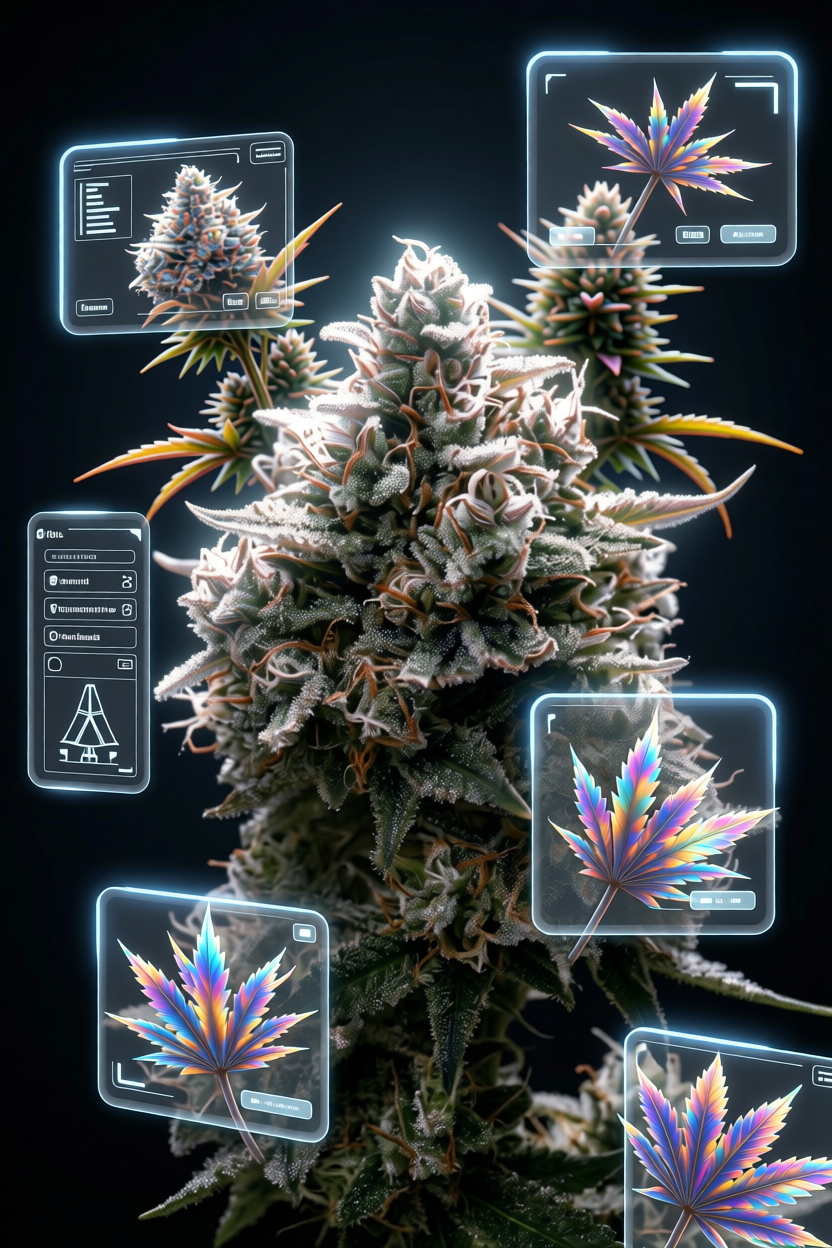
Curing: The Meticulous Process of Controlled Drying to Develop Flavor and Potency in Cannabis
The journey from a vibrant cannabis plant to a premium, consumer-ready product is intricate, involving cultivation, harvesting, and meticulous post-harvest processing. While cultivation often receives the lion’s share of attention, the final stages – drying and especially curing – are equally, if not more, critical in determining the ultimate quality, aroma, flavor, and potency of the final product. Curing is not merely an extension of drying; it is a sophisticated, controlled process designed to refine and enhance the intrinsic characteristics of the cannabis flower, transforming raw plant material into a truly exceptional experience.
This article will delve into the science and art of curing, explaining its profound impact on the final product and providing an expert-level understanding of this often-underestimated phase.
Beyond Simple Drying: Understanding the “Why” of Curing
Many novice cultivators mistakenly believe that once their marijuana buds are dry to the touch, the process is complete. However, simple drying primarily removes surface moisture. Curing goes deeper, initiating a series of biochemical transformations within the plant material that are essential for developing its full potential. Without proper curing, even the most perfectly cultivated weed will fall short in terms of smoothness, taste, and overall effect.
The Initial Drying Phase (Pre-Cure)
Before curing can begin, the freshly harvested cannabis must undergo an initial drying phase. This stage aims to reduce the moisture content significantly, typically from around 75-80% down to 10-15%. This rapid removal of surface moisture is crucial for preventing mold and mildew, which thrive in damp environments.
During this initial drying phase, environmental factors like temperature, humidity, and airflow are paramount. Too rapid drying can lead to a harsh, chlorophyll-rich smoke and the degradation of volatile terpenes. Too slow, and the risk of microbial contamination skyrockets. The goal is a gradual, even dry that prepares the buds for the more refined curing process.
Biochemical Transformations During Curing
Once the initial bulk moisture is removed, the curing phase begins, characterized by slower, more controlled moisture removal and a cascade of enzymatic and chemical reactions. These reactions are what truly develop the desired characteristics:
- Chlorophyll Degradation: Freshly dried cannabis often has a “grassy” or “hay-like” aroma and a harsh taste. This is largely due to the presence of chlorophyll. During curing, enzymes within the plant material break down chlorophyll. This degradation reduces harshness, improves the smoothness of the smoke or vapor, and allows the true aromatic profile to emerge.
- Cannabinoid Conversion and Preservation: While full decarboxylation (the conversion of non-psychoactive cannabinoid acids like THCA into psychoactive THC) primarily occurs with heat, curing plays a subtle but important role in optimizing cannabinoid profiles. The slow, controlled drying environment helps to preserve the integrity of cannabinoids, preventing their premature degradation. It also allows for minor, gradual conversions and the stabilization of the cannabinoid matrix, contributing to a more balanced and nuanced effect. The goal is not to fully decarboxylate, but to stabilize and prepare for later activation.
- Terpene Preservation and Development: Terpenes are the aromatic compounds responsible for the diverse flavor and scent profiles of cannabis. They are highly volatile and can easily degrade under improper drying conditions. Curing helps to lock in these delicate compounds, preventing their evaporation. Furthermore, the slow breakdown of other plant compounds can sometimes lead to the formation of new, more complex aromatic molecules, enriching the overall flavor profile.
- Sugar Breakdown: Plant sugars contribute to the harshness of smoke. During curing, enzymes continue to break down these complex sugars, resulting in a smoother, more palatable product.
The Science of Controlled Drying: Environmental Factors
The success of curing hinges on maintaining precise environmental conditions. This precision allows the biochemical reactions to occur optimally while preventing spoilage or degradation.
Temperature
Temperature is a critical factor. Ideally, curing should occur in a cool environment, typically between 18-22°C (65-72°F).
- Too High: Elevated temperatures can accelerate the degradation of volatile terpenes and cannabinoids, leading to a loss of flavor and potency. It can also dry the buds too quickly, hindering the enzymatic breakdown of chlorophyll and sugars.
- Too Low: While less damaging than high temperatures, excessively low temperatures can slow down the enzymatic reactions necessary for chlorophyll breakdown and other beneficial transformations, prolonging the curing process unnecessarily.
Relative Humidity (RH)
Relative humidity is arguably the most crucial parameter during curing. It dictates the rate of moisture migration from the interior of the bud to its exterior.
- Initial Drying (Hang Dry): The ideal RH for the initial drying phase is typically 55-65%. This range allows for steady moisture removal without drying the exterior too quickly and trapping moisture inside, which can lead to mold.
- Jar Curing Phase: Once buds are transferred to sealed containers for curing, the internal RH should stabilize between 58-62%. This range is perfect for slow, controlled moisture release, allowing the internal biochemical processes to continue without the risk of over-drying or mold. Hygrometers placed inside the curing jars are indispensable for monitoring this.
- Too High: RH above 65% in sealed containers creates a prime environment for mold and mildew growth, ruining the harvest.
- Too Low: RH below 55% will cause the buds to dry out too quickly, halting the curing process prematurely and resulting in brittle, harsh, and less flavorful cannabis.
Airflow
Proper airflow is essential throughout both the drying and curing phases.
- During Initial Drying: Gentle air circulation helps to remove moisture from the drying environment, preventing pockets of high humidity and ensuring even drying. However, direct fan exposure should be avoided as it can dry the outer layers of the buds too quickly, creating a “case hardening” effect that traps moisture inside.
- During Jar Curing: While jars are sealed, the act of “burping” (opening the jars) provides crucial airflow, replenishing oxygen and releasing trapped moisture and gaseous byproducts of the curing reactions.
The Curing Process: A Step-by-Step Guide
Understanding the science is one thing; executing the process is another. Here’s a practical breakdown of the curing journey:
Post-Harvest Preparation
Immediately after harvest, the plant material needs preparation.
- Trimming: Buds can be “wet trimmed” (leaves removed immediately after harvest) or “dry trimmed” (leaves removed after initial drying). Wet trimming speeds up drying but can lead to a faster loss of terpenes. Dry trimming is often preferred for slower, more controlled drying and better terpene preservation, though it is more labor-intensive post-dry.
- Hanging: Individual branches or whole plants are typically hung upside down in a dedicated drying space. This allows for even air exposure around the buds.
Initial Drying (The “Hang Dry” Phase)
This phase typically lasts 5-14 days, depending on bud density, environmental conditions, and trimming method.
- Environment: Maintain the drying room at 18-22°C (65-72°F) and 55-65% RH with gentle air circulation.
- Monitoring: The buds are ready for the next stage when the small stems snap cleanly rather than bending. The outer layers of the buds should feel dry, but the interior should still have some moisture.
The Jar Curing Phase (Controlled Environment)
This is where the true curing process begins.
- Transferring to Jars: Once the buds pass the stem-snap test, carefully trim them (if dry trimming) and place them loosely into airtight containers, typically wide-mouth glass mason jars. Fill jars about 75% full to allow for some air space.
- Initial Seal: Seal the jars and place them in a cool, dark place (light degrades cannabinoids and terpenes).
- Burping: For the first week, open each jar for 15-30 minutes, 1-3 times a day. This “burping” allows excess moisture to escape, replenishes oxygen, and prevents the buildup of ammonia or other undesirable gases. Gently shake the jars during burping to redistribute the buds and ensure even exposure.
- Monitoring RH: Use small hygrometers inside a few jars to monitor the internal RH. If it consistently reads above 65%, leave the jars open for longer or even remove the buds for a few hours to air dry slightly before returning them to the jars. If it drops below 58%, the buds are drying too quickly; consider adding a humidity pack designed for curing (e.g., 62% RH).
- Reduced Burping: After the first week, as the moisture content stabilizes, you can reduce burping frequency to once a day or every other day for the next 2-3 weeks.
- Long-Term Curing: After 3-4 weeks, burping can be reduced to once or twice a week. At this point, the buds should be well-cured, exhibiting their full flavor and potency potential. Many connoisseurs continue to cure for 1-3 months or even longer for optimal results, especially for strains known to improve with age.
Optimizing for Flavor and Potency
The ultimate goal of curing is to maximize the sensory and experiential qualities of the cannabis.
Flavor Profile Development
Proper curing allows the delicate terpene profiles to fully develop and express themselves. The harshness from chlorophyll is gone, revealing the nuanced aromas and tastes unique to each strain – from citrus and pine to fuel and skunk. A well-cured bud will offer a smooth, clean smoke or vapor that allows the consumer to truly appreciate its complex flavor.
Potency Enhancement
While curing doesn’t magically create more cannabinoids, it optimizes their expression. By facilitating the slow conversion of cannabinoid acids and preserving the integrity of existing cannabinoids and terpenes, curing contributes to a more potent and effective experience. The synergistic interaction between cannabinoids and terpenes (the “entourage effect”) is also enhanced, leading to a more profound and desirable effect profile.
Long-Term Storage and Preservation
A properly cured bud is also a stable bud. The controlled drying reduces the risk of mold and degradation, making the cannabis suitable for long-term storage without significant loss of potency or flavor. Storing cured cannabis in airtight containers in a cool, dark place will preserve its quality for many months.
Common Curing Mistakes and How to Avoid Them
- Over-drying Too Quickly: The most common mistake. Leads to harsh, brittle buds with diminished flavor and potency. Avoid high temperatures, low humidity, and direct fan exposure during initial drying.
- Under-drying (Mold Risk): Leaving too much moisture in the buds, especially during the jar curing phase, is a recipe for mold. Monitor RH meticulously and burp frequently.
- Improper Burping: Not burping enough leads to trapped moisture and off-flavors. Burping too much can dry out the buds prematurely. Find the right balance based on your hygrometer readings.
- Ignoring Environmental Controls: Guessing temperature and humidity is a gamble. Invest in reliable thermometers and hygrometers for your drying and curing spaces.
- Impatience: Curing is a process that cannot be rushed. Rushing it will compromise the final quality. Patience is a virtue that is richly rewarded in the world of cannabis.
Conclusion
Curing is the unsung hero of cannabis production, a meticulous process of controlled drying that transforms raw plant material into a refined, high-quality product. It is the critical final step that allows the full spectrum of flavor, aroma, and potency to develop, ensuring a smooth, enjoyable, and effective experience. Understanding the science behind chlorophyll degradation, cannabinoid preservation, and terpene development, coupled with diligent environmental control and patience, empowers cultivators to unlock the true potential of their harvest. For those seeking to produce truly exceptional weed, mastering the art and science of curing is not merely an option, but an absolute necessity.