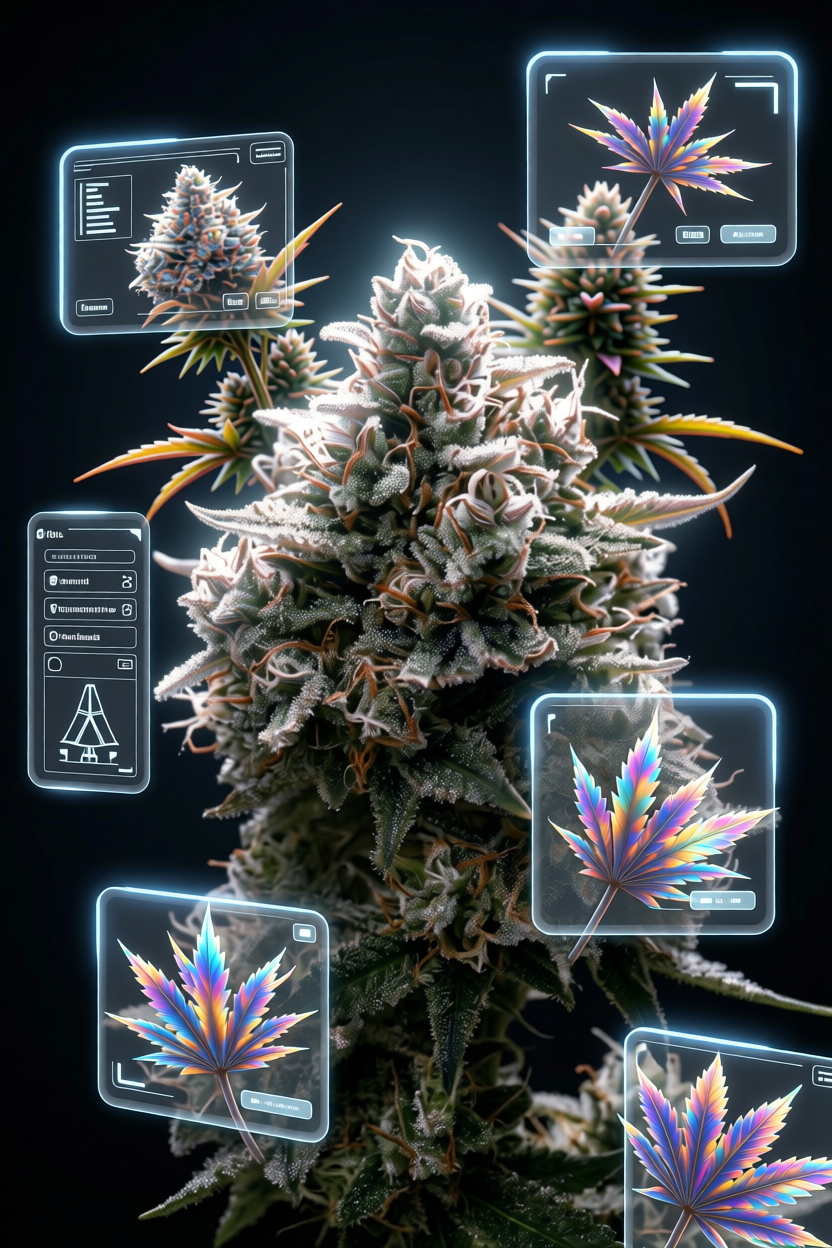
Lollipopping: Optimizing Cannabis Energy Allocation for Superior Bud Development
In the intricate world of cannabis cultivation, growers constantly seek techniques to maximize yield, potency, and overall plant health. Among the myriad of plant training methods, “lollipopping” stands out as a highly effective and widely adopted strategy. This article will delve deep into the principles, execution, and benefits of lollipopping, establishing a comprehensive understanding for both novice and experienced cultivators.
What is Lollipopping? A Foundation in Energy Management
At its core, lollipopping is a specialized pruning technique where a cultivator systematically removes all growth from the bottom third of the cannabis plant. The name itself is descriptive: after the process, the plant resembles a lollipop, with a clean, bare stem at the bottom and a dense canopy of foliage and developing buds concentrated at the top.
The primary objective of this method is to redirect the plant’s precious metabolic energy. Cannabis plants, like all photosynthetic organisms, have a finite amount of energy derived from light, water, and nutrients. Without intervention, this energy is distributed across all parts of the plant, including numerous small, underdeveloped bud sites and leaves in the lower regions. These lower sites often receive insufficient light penetration, leading to the production of “popcorn buds” – small, airy, and less potent flowers that consume resources without contributing significantly to the final harvest quality or quantity.
By removing this inefficient growth from the bottom third of the plant, lollipopping forces the plant to focus its energy and resources exclusively on the upper canopy. This strategic training ensures that the most well-lit and productive areas receive maximum support, leading to larger, denser, and more potent buds.
The Science Behind Lollipopping: Understanding Energy Allocation
To truly appreciate the efficacy of lollipopping, it’s crucial to understand how cannabis plants allocate their energy.
- Photosynthesis and Resource Production: The primary energy source for a cannabis plant is sunlight, converted into sugars through photosynthesis, predominantly in the leaves. These sugars, along with absorbed nutrients and water, fuel all metabolic processes, from root development to flower production.
- Source-Sink Dynamics: Plants operate on a “source-sink” model. “Sources” are typically mature leaves that produce more sugars than they consume. “Sinks” are areas of active growth that require sugars, such as developing roots, new shoots, and, most importantly for cultivators, flowering buds.
- Light Penetration and Efficiency: Light intensity diminishes rapidly as it penetrates the plant canopy. The lower branches and leaves often exist in perpetual shade, receiving only a fraction of the light available to the upper canopy. Consequently, these lower parts are inefficient “sources” of energy and become “sinks” that consume resources without producing high-quality yields. They are often net consumers rather than producers of energy.
- Hormonal Signaling: Plant hormones also play a role. Auxins, for instance, are produced in apical meristems (growing tips) and influence growth patterns. By removing lower growth, the plant’s hormonal balance can shift, further encouraging upward and outward development in the remaining canopy.
Lollipopping leverages these biological principles. By eliminating the shaded, unproductive “sinks” at the bottom of the plant, we effectively re-prioritize the flow of energy and nutrients towards the top, where light is abundant and the potential for robust bud development is highest. This leads to a more efficient conversion of light energy into desirable floral mass.
Key Benefits of Lollipopping
Implementing lollipopping offers several significant advantages for the cannabis cultivator:
1. Increased Yield Quality and Quantity
The most direct and sought-after benefit is the improvement in both the quality and quantity of the final harvest. By concentrating the plant’s resources, growers can expect:
- Larger, Denser Buds: The top colas and secondary branches receive more energy, resulting in significantly larger and more compact flowers.
- Higher Potency: With increased energy allocation, the plant can produce more cannabinoids and terpenes in the primary bud sites, leading to a more potent and aromatic product.
- Reduced “Popcorn Buds”: Eliminating the lower, underdeveloped sites means fewer small, airy buds that are often discarded or used for extracts, thus increasing the overall usable yield of premium flower.
2. Enhanced Airflow and Reduced Humidity
Removing the dense growth from the bottom third of the plant creates an open space beneath the canopy. This dramatically improves air circulation throughout the entire plant structure.
- Mold and Mildew Prevention: Stagnant, humid air is a breeding ground for pathogens like powdery mildew and botrytis (bud rot). Improved airflow helps dissipate moisture, significantly reducing the risk of these devastating fungal infections, especially in the dense upper canopy.
- Pest Control: A more open structure makes it harder for pests to hide and easier for growers to spot and address infestations early.
3. Optimized Resource Efficiency
Every drop of water and every gram of nutrient fed to a cannabis plant costs money and effort. Lollipopping ensures these resources are used efficiently.
- Nutrient and Water Conservation: Resources are no longer wasted on supporting unproductive lower growth. Instead, they are channeled directly to the developing premium buds.
- Light Penetration: While lollipopping primarily addresses lower growth, the improved airflow and reduced density at the bottom can indirectly help light penetrate slightly deeper into the remaining canopy, further enhancing photosynthesis.
When to Lollipop: Timing is Crucial
The timing of lollipopping is critical to its success and to minimize stress on the cannabis plant.
- Late Vegetative Stage: The ideal time to perform lollipopping is towards the end of the vegetative growth phase, typically 1-2 weeks before flipping to the flowering cycle. This allows the plant sufficient time to recover from the stress of pruning before it begins to focus its energy on flower production.
- Early Flowering Stage (Stretch Phase): It can also be performed during the first 1-2 weeks of the flowering stage, often referred to as the “stretch” phase, when the plant undergoes rapid vertical growth. During this period, the plant is still robust enough to handle the stress and redirect energy effectively.
- Avoid Mid-to-Late Flowering: Lollipopping should generally be avoided once the plant is deep into its flowering cycle (e.g., after week 3-4 of flowering). Pruning at this stage can be highly stressful, potentially stunting bud development, reducing yield, or even leading to hermaphroditism in sensitive strains. The plant’s energy should be entirely dedicated to flower production at this point, not recovery from pruning.
How to Lollipop: A Step-by-Step Guide
Executing lollipopping correctly requires a methodical approach and clean tools.
1. Gather Your Tools
- Sterile Pruning Shears or Scissors: Sharp, clean tools are essential to make precise cuts and prevent the introduction of pathogens. Sterilize them with rubbing alcohol before and after use.
- Gloves (Optional): To keep your hands clean and prevent skin irritation from plant resins.
2. Identify the “Bottom Third”
Visually divide your cannabis plant into three equal sections from the soil line to the top of the canopy. The goal is to clear all growth from the lowest section. This isn’t an exact science; some growers might clear slightly more or less depending on the plant’s structure and their specific goals. A good rule of thumb is to remove anything that won’t receive adequate light.
3. Begin Removing Growth
Start from the bottom and work your way up.
- Branches: Remove any small, wispy branches that are unlikely to produce significant buds. These are often thin and spindly, reaching for light but never quite getting there.
- Fan Leaves: Remove large fan leaves that are shading potential bud sites or contributing to a dense, humid environment in the lower canopy.
- Undeveloped Bud Sites: Carefully snip off any tiny, nascent bud sites that appear on the lower branches. These are the “popcorn bud” precursors you want to eliminate.
- Suckers: Remove any shoots that emerge from the main stem or larger branches that are not contributing to the main canopy.
4. Make Clean Cuts
Always make clean, precise cuts close to the main stem or branch collar, but without damaging the main stem itself. Avoid tearing or ripping plant tissue, as this creates larger wounds that are more susceptible to disease.
5. Gradual vs. Aggressive Lollipopping
- Gradual: For less stress, some growers prefer to lollipop in stages over a few days, especially with larger plants.
- Aggressive: More experienced growers might perform the entire process in one session. The plant’s resilience and strain genetics will influence how well it tolerates aggressive pruning.
After lollipopping, the plant may appear somewhat sparse at the bottom, but the remaining upper canopy will be poised for explosive growth and superior bud development.
Related Concepts and Complementary Techniques
Lollipopping is often used in conjunction with other plant training methods to further optimize cannabis cultivation.
- Topping and FIMming: These techniques involve removing or damaging the main growing tip to encourage lateral branching, creating multiple main colas rather than a single dominant one. Lollipopping complements these by ensuring that all these new colas receive maximum energy.
- ScrOG (Screen of Green): In a ScrOG setup, plants are trained to grow horizontally through a mesh screen. Lollipopping is almost essential here, as it clears out all growth below the screen, ensuring that only the branches trained through the screen develop into productive bud sites.
- Defoliation: While similar in that it involves removing leaves, defoliation is typically performed throughout the vegetative and early flowering stages to remove specific fan leaves that are shading bud sites or impeding airflow within the canopy. Lollipopping is a more targeted, one-time (or limited-time) event focused on the bottom third of the plant.
- Low-Stress Training (LST): LST involves gently bending and tying down branches to create an even canopy and expose more bud sites to light. Lollipopping can be performed after LST has established the desired canopy shape.
Potential Drawbacks and Considerations
While highly beneficial, lollipopping is not without its considerations:
- Plant Stress: Any form of pruning induces stress on the plant. If done too aggressively, too late in the flowering cycle, or on an unhealthy plant, it can lead to stunted growth, reduced yields, or even trigger hermaphroditism in some strains.
- Risk of Over-Pruning: Removing too much foliage can reduce the plant’s photosynthetic capacity, temporarily slowing growth. It’s crucial to strike a balance and only remove the truly unproductive growth.
- Strain-Specific Responses: Different cannabis strains (genetics) will respond differently to lollipopping. Some indica-dominant strains might be more resilient, while certain sativas might be more sensitive to heavy pruning. Understanding your specific strain’s characteristics is always beneficial.
- Reduced Overall Plant Size: If the goal is to grow the largest possible plant (e.g., for outdoor cultivation where size isn’t restricted), lollipopping will reduce the overall biomass. However, it will increase the quality of the harvestable biomass.
Conclusion
Lollipopping is a powerful and proven training technique for cannabis cultivation, allowing growers to strategically focus the plant’s energy on producing premium buds. By removing inefficient growth from the bottom third of the plant, cultivators can significantly enhance yield quality, improve airflow, mitigate pest and disease risks, and optimize resource utilization. When executed correctly and at the appropriate time, lollipopping transforms a potentially sprawling, less productive weed plant into a highly efficient, top-heavy producer, yielding a harvest of superior quality and quantity. Mastering this technique is a hallmark of an experienced and discerning cannabis grower.