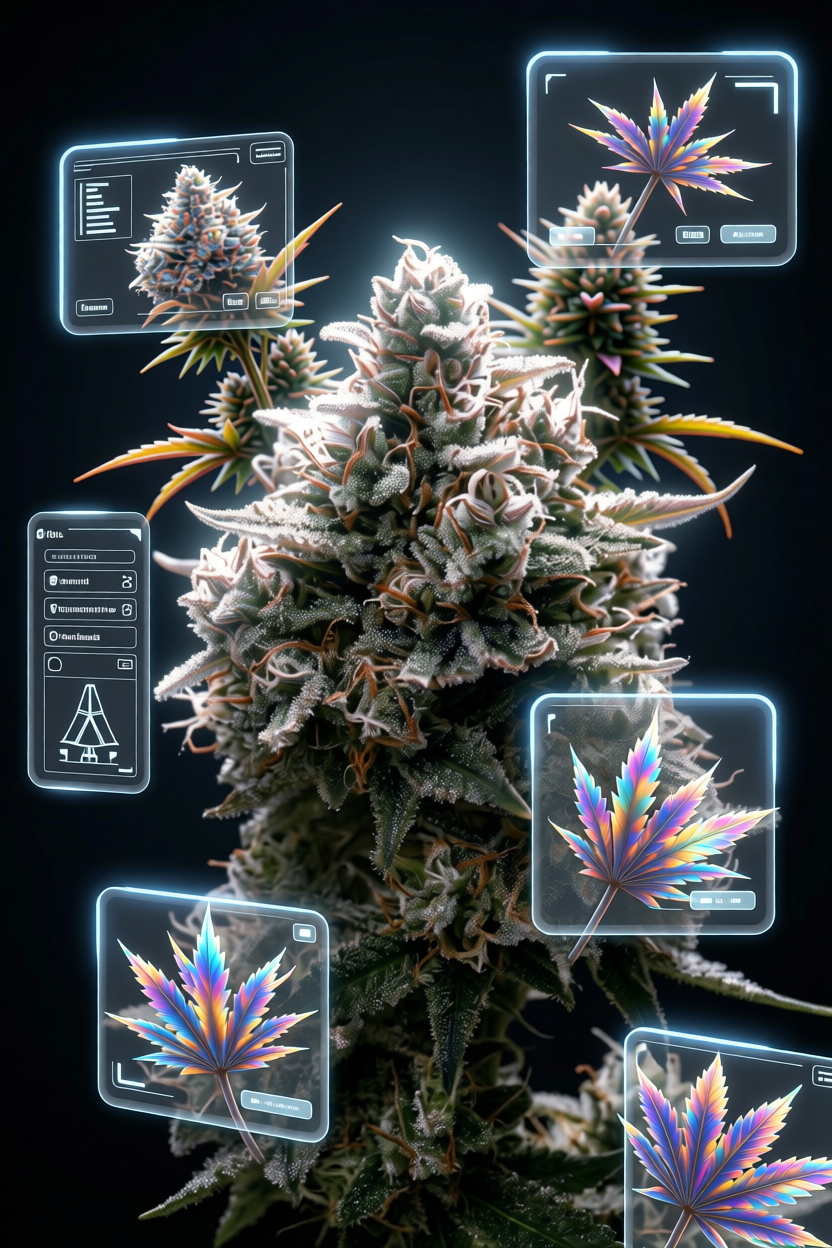
Schwazzing: An Aggressive Defoliation Strategy for Maximizing Cannabis Yields
In the intricate world of cannabis cultivation, growers constantly seek advanced techniques to optimize plant health, vigor, and ultimately, yield. Among these methods, “schwazzing” stands out as one of the most aggressive and debated forms of defoliation. Performed specifically at the critical start of flowering, this intensive training method aims to redirect the plant’s energy toward prolific bud development rather than vegetative growth. While not without its risks, understanding the principles and execution of schwazzing is crucial for any cultivator aiming to push the boundaries of their cannabis garden.
What is Schwazzing?
Schwazzing is an extreme form of defoliation performed on marijuana plants, characterized by the removal of a significant percentage of fan leaves, particularly at two key stages during the flowering cycle. The term itself was popularized by Joshua Haupt in his cultivation guide, “Three A Light,” and has since become a recognized, albeit controversial, technique among weed growers.
Unlike general defoliation, which might involve selectively removing a few leaves to improve light penetration or airflow, schwazzing is aggressive. It entails stripping nearly all large fan leaves from the plant, leaving only the nascent sugar leaves and the developing flower sites. The core idea is to shock the plant into focusing all its available energy and resources on producing flowers, rather than maintaining large, energy-intensive fan leaves that may be shading lower bud sites.
The Philosophy Behind Schwazzing
The rationale behind schwazzing is rooted in several key horticultural principles, all aimed at manipulating the plant’s natural growth patterns for enhanced productivity.
Optimizing Light Penetration
One of the primary goals of schwazzing is to ensure maximum light exposure to all potential bud sites. Large fan leaves, while essential for photosynthesis during vegetative growth, can become a canopy that shades lower branches and developing flowers once the plant enters flowering. By removing these leaves, growers aim to allow light to penetrate deep into the plant’s structure, theoretically promoting more uniform and robust bud development throughout the entire plant, not just the top cola.
Redirecting Energy
Cannabis plants expend considerable energy maintaining their foliage. The theory behind schwazzing suggests that by drastically reducing the number of fan leaves, the plant is forced to redirect this energy. Instead of allocating resources to leaf maintenance and the development of new leaves, the plant’s metabolic machinery is believed to shift its focus entirely to flower production. This redirection of energy is thought to result in larger, denser, and more potent buds.
Enhancing Airflow and Reducing Humidity
An ancillary benefit of aggressive defoliation is the significant improvement in airflow within the plant canopy. A dense canopy can trap moisture and create stagnant air pockets, which are ideal breeding grounds for pests and fungal pathogens like powdery mildew and botrytis (bud rot). By removing a large volume of leaves, schwazzing helps to ventilate the plant, reducing humidity levels within the canopy and mitigating the risk of these common cultivation problems.
The Two Phases of Schwazzing
Schwazzing is typically executed in two distinct phases, precisely timed to coincide with critical stages of the flowering period.
Phase 1: The Initial Defoliation (Day 1 of Flowering)
The first and most aggressive round of defoliation is performed right at the start of flowering, typically on day 1 or day 2 after switching the light cycle to 12/12 (or when natural photoperiods trigger flowering outdoors).
During this phase, cultivators meticulously remove almost all large fan leaves from the plant. This includes leaves from the main stem, side branches, and even those near the top. The goal is to leave only the very smallest, newest leaves at the growing tips and the developing flower clusters. The plant will appear quite bare, almost skeletal, after this initial stripping. This radical removal is intended to immediately signal to the plant that it needs to focus all its energy on reproductive growth.
Phase 2: The Secondary Defoliation (Around Day 20-21 of Flowering)
Approximately three weeks into the flowering cycle, around day 20 or 21, the plant will have recovered from the initial shock and will have produced a new flush of fan leaves. These new leaves, if left unchecked, can once again begin to shade lower bud sites and impede airflow.
The secondary defoliation involves another round of selective, though perhaps slightly less aggressive, leaf removal. The focus here is to strip away any new fan leaves that are shading developing flowers or contributing to a dense canopy. The aim is to maintain optimal light penetration and airflow throughout the remainder of the flowering period, ensuring that all bud sites receive adequate light to swell and mature.
Prerequisites and Considerations Before Schwazzing
Schwazzing is not a technique for every plant or every grower. Its aggressive nature demands specific conditions and a healthy plant to withstand the stress.
Plant Health and Vigor
Only exceptionally healthy, robust, and vigorously growing cannabis plants should be considered for schwazzing. Plants that are already stressed, nutrient deficient, or suffering from pest issues will likely be severely damaged or stunted by such an extreme form of defoliation. A strong root system and a well-established vegetative growth phase are crucial for recovery.
Environmental Control
Precise environmental control is paramount. Stable temperatures, optimal humidity levels, and often supplemental CO2 are essential to help the plant recover quickly and efficiently from the stress of schwazzing. Any environmental fluctuations can exacerbate the stress and lead to negative outcomes.
Nutrient Management
Plants undergoing schwazzing will require a meticulously managed nutrient regimen. They need ample nutrients to fuel the rapid recovery and subsequent flower development. A balanced feeding schedule, often with slightly elevated levels of nitrogen during the recovery phase and then phosphorus/potassium for flowering, is critical.
Strain Selection
Some marijuana strains are inherently more resilient and tolerant of stress than others. Indicas and indica-dominant hybrids, known for their robust growth, may handle schwazzing better than more delicate Sativa strains. Growers should research their specific genetics or experiment cautiously with a few plants before applying the technique widely.
Potential Risks and Criticisms of Schwazzing
Despite its proponents, schwazzing is a high-risk, high-reward training method that carries significant potential drawbacks.
Stress and Stunting
The most immediate risk is the severe stress inflicted upon the plant. Removing such a large volume of photosynthetic material can shock the plant, leading to stunted growth, delayed flowering, or even hermaphroditism (herming) in susceptible strains. A plant that is too stressed will not perform optimally, potentially leading to reduced yields rather than increased ones.
Reduced Photosynthesis
Leaves are the plant’s primary solar panels, responsible for converting light energy into sugars through photosynthesis. Drastically reducing the leaf surface area inevitably reduces the plant’s capacity for photosynthesis. While the theory suggests energy redirection, an overly aggressive approach might simply leave the plant with insufficient energy production to support vigorous flower development.
Recovery Time
Plants require energy and time to recover from such a severe intervention. This recovery period might divert resources that would otherwise be used for initial flower development, potentially negating some of the intended benefits. The plant’s ability to bounce back quickly is crucial for the success of schwazzing.
Strain-Specific Responses
As mentioned, not all cannabis strains respond uniformly to aggressive defoliation. What works wonders for one cultivar might devastate another. Without prior experience with a specific strain, applying schwazzing can be a gamble.
Schwazzing vs. Other Defoliation Techniques
It’s important to distinguish schwazzing from other common defoliation and training methods:
- Light Defoliation: Involves removing only a few strategically chosen leaves to improve light or airflow, typically done throughout the grow cycle as needed.
- Lollipopping: Focuses on removing all growth (leaves and small bud sites) from the lower third of the plant to concentrate energy on the top canopy. This is often done just before or at the start of flowering.
- Pruning: A broader term for removing any plant material, including branches, leaves, or flowers, for various purposes.
Schwazzing is distinct due to its extreme aggressive nature and its precise timing at the start of flowering and again around day 20-21. It goes far beyond selective removal, aiming for a near-total stripping of fan leaves.
Best Practices for Implementing Schwazzing (If Chosen)
For experienced growers who decide to experiment with this form of training, adherence to best practices is essential:
- Sanitation: Always use clean, sterilized scissors or pruning shears to prevent the spread of pathogens.
- Timing is Critical: Stick rigidly to the day 1 and day 20-21 schedule for optimal results.
- Monitor Plant Response: Closely observe your plants for signs of stress (wilting, discoloration, stunted growth). Be prepared to adjust environmental conditions or nutrient delivery.
- Start Small: If new to schwazzing, consider applying it to only a few plants or a single branch to gauge the response before committing an entire crop.
- Maintain Optimal Conditions: Ensure your grow environment is dialed in perfectly, with stable temperature, humidity, and adequate CO2.
Conclusion
Schwazzing is an advanced, aggressive form of defoliation performed at the start of flowering in cannabis cultivation. While proponents claim it can significantly boost yields by optimizing light penetration and redirecting energy, it is a high-risk training technique that demands expert-level understanding of plant physiology, impeccable environmental control, and robust plant health. For the inexperienced or those with less-than-ideal growing conditions, schwazzing can easily lead to severe stress, stunted growth, and diminished returns. It remains a powerful tool in the arsenal of the seasoned marijuana cultivator, but one that must be wielded with caution, precision, and a deep respect for the plant’s resilience.