The Filament: The Unsung Stalk Supporting Life’s Pollen
In the intricate world of plant reproduction, every component plays a crucial role, often with a precision that belies its apparent simplicity. Among these, the filament stands as a fundamental structure, often overlooked but indispensable. Far more than just a slender stalk, the filament is the vital support system for the anther, the pollen-producing powerhouse of the flower. Understanding the filament’s morphology, function, and variations is key to appreciating the mechanics of plant propagation and the broader field of botany.
The Stamen: Context for the Filament
To fully grasp the significance of the filament, it’s essential to understand its place within the larger reproductive apparatus of a flower. The male reproductive organ of a flowering plant is known as the stamen. Each stamen is typically composed of two primary parts:
- The Anther: This is the terminal part of the stamen, responsible for producing and containing pollen grains.
- The Filament: This is the slender stalk that supports the anther, elevating it to an optimal position for pollen dispersal.
Together, the filament and anther form the complete stamen, a structure critical for the transfer of genetic material necessary for fertilization. The number of stamens can vary widely among different plant species, from a single stamen to numerous ones, each with its own filament and anther.
The Filament: Structure and Morphology of the Supporting Stalk
The filament is essentially a modified leaf structure, typically cylindrical or flattened, though its exact shape and size can vary dramatically across species. Its primary function is mechanical support, but it also plays a physiological role.
Physical Characteristics
- Length and Thickness: Filaments can range from being extremely short, almost absent (making the anther sessile), to remarkably long, extending far beyond the petals. Their thickness can also vary, from hair-like delicacy to robust, fleshy structures.
- Attachment to the Anther: The way the filament attaches to the anther is botanically significant and can be classified into several types:
- Basifixed: The filament is attached at the base of the anther.
- Dorsifixed: The filament is attached to the back of the anther.
- Versatile: The filament is attached to the back of the anther at a single point, allowing the anther to swing freely, often an adaptation for wind pollination.
- Attachment to the Receptacle: The base of the filament is typically attached to the floral receptacle (the part of the flower stalk where the floral organs are attached) or directly to the petals (epipetalous stamens).
Internal Anatomy
Internally, the filament is composed primarily of parenchyma cells, which provide structural support and storage. Crucially, it contains a vascular bundle (xylem and phloem) running through its core. This vascular tissue is responsible for transporting water and dissolved nutrients from the main plant body up to the developing anther. This nutrient supply is absolutely vital for the metabolic processes involved in pollen grain formation and maturation within the anther.
The Anther: The Supported Pollen Factory
While the filament provides the physical and physiological backbone, the anther is the functional heart of the stamen, where the actual reproductive work of pollen production occurs. Typically bilobed, each lobe of the anther contains two pollen sacs (microsporangia) where microspores develop into pollen grains.
The filament’s role in supporting the anther is multifaceted:
- Elevation: It lifts the anther to an optimal height and position, facilitating efficient pollen dispersal. For wind-pollinated plants, this often means long, exposed filaments. For insect-pollinated plants, the filament positions the anther to brush against visiting pollinators.
- Orientation: The filament can orient the anther in a specific direction, ensuring that pollen is released effectively towards a target (e.g., a pollinator’s body or the stigma of another flower).
- Nutrient Delivery: As mentioned, the vascular tissue within the filament continuously supplies the anther with the water, sugars, and minerals required for the energy-intensive process of meiosis and pollen development.
Functional Significance and Adaptations
The filament’s seemingly simple role as a stalk that supports the anther belies its profound functional significance in the reproductive success of flowering plants.
Optimal Pollen Dispersal
The length, rigidity, and orientation of the filament are critical adaptations for different pollination strategies:
- Wind Pollination (Anemophily): Plants like grasses often have long, slender filaments that allow the anthers to hang freely outside the flower, maximizing exposure to wind currents for pollen dispersal. The versatile anther attachment is common here.
- Insect/Animal Pollination (Entomophily/Zoophily): Filaments in these plants are often sturdier and position the anthers precisely to deposit pollen onto specific parts of a visiting pollinator’s body. Some filaments are sensitive to touch, moving the anthers to “dust” the pollinator.
- Self-Pollination (Autogamy): In some species, filaments may be positioned to bring the anthers into direct contact with the stigma of the same flower, ensuring self-fertilization.
Dynamic Movement
In some species, filaments are not static. They can exhibit movement, either rapidly (e.g., in Berberis, where touching the filament causes it to snap inwards, dusting an insect) or slowly, adjusting the anther’s position throughout the day or during different stages of floral development. This dynamic capability further enhances the efficiency of pollen transfer.
The Filament in Specific Plant Contexts: Cannabis and Other Species
The general principles of filament structure and function apply across the vast diversity of flowering plants, including those of particular interest in botany and horticulture.
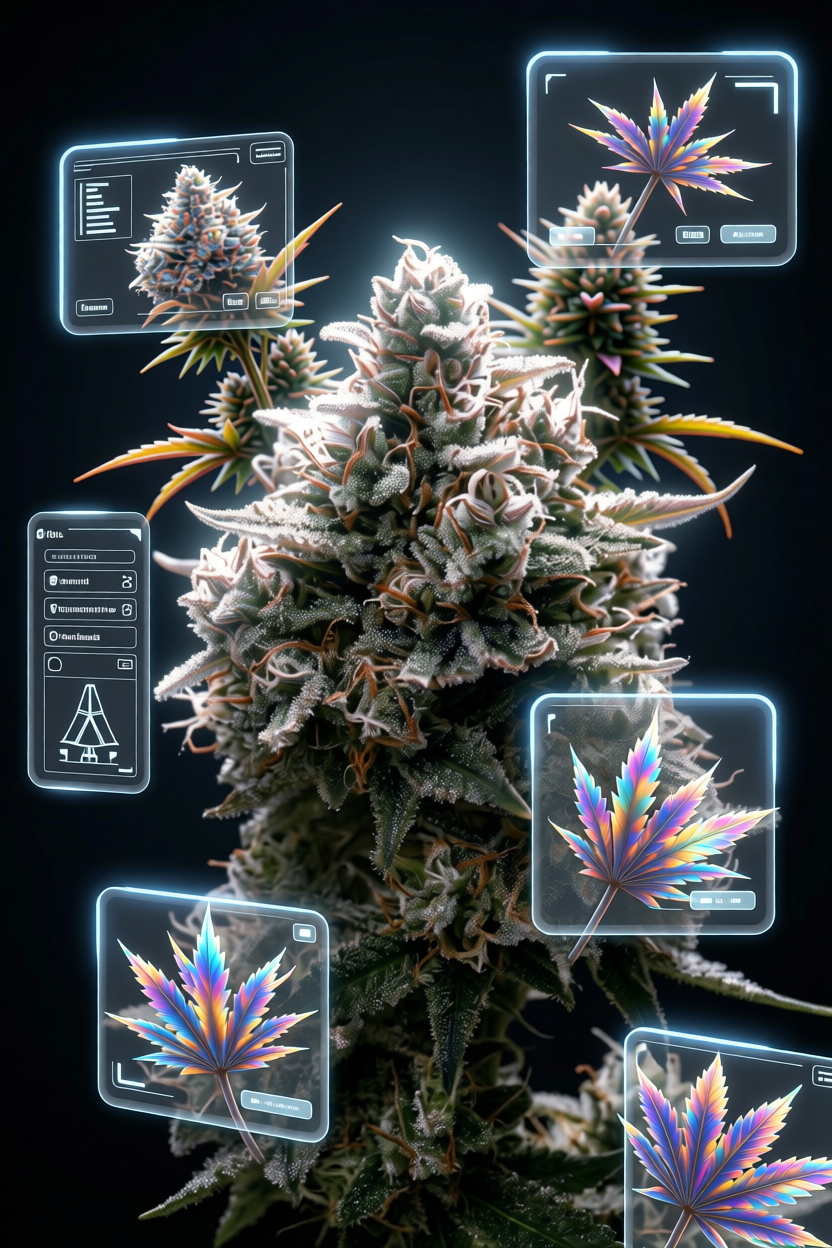
Consider the genus Cannabis, which includes plants commonly known as marijuana or weed. Cannabis plants are typically dioecious, meaning male and female reproductive organs are found on separate plants.
In male Cannabis plants, the flowers produce abundant pollen. Each male flower contains numerous stamens. Here, the filament performs its quintessential role: it is the slender stalk that supports the anther. These filaments are typically delicate and elongated, allowing the anthers to hang freely and release their pollen into the wind, which is the primary mode of pollination for Cannabis. The anthers themselves are small, yellowish-green, and often appear in clusters. Without the filament to elevate and position these anthers, the efficient dispersal of Cannabis pollen would be severely hampered, impacting the plant’s reproductive success.
Beyond Cannabis, variations are endless:
- Lily (Lilium): Often has prominent, robust filaments supporting large anthers.
- Grasses (Poaceae): Characterized by very long, slender filaments and versatile anthers, perfectly adapted for wind pollination.
- Mimosas: Exhibit numerous, brightly colored, long filaments that are often the most showy part of the flower, attracting pollinators.
Development and Evolutionary Significance
The development of the filament, along with the anther, is a complex process orchestrated by a suite of genes. During floral development, primordial cells differentiate to form the stamen, with the filament elongating to position the anther correctly.
From an evolutionary perspective, the diversity in filament morphology reflects millions of years of adaptation to specific pollinators and environmental conditions. The evolution of the filament, hand-in-hand with the anther and other floral parts, has been a driving force in the diversification of flowering plants, enabling them to colonize diverse habitats and establish intricate relationships with a myriad of animal pollinators.
Conclusion
The filament, though often appearing as a simple stalk, is a marvel of botanical engineering. It is the essential structural and physiological link that supports the anther, ensuring the successful production and dispersal of pollen. From the delicate, wind-swept filaments of marijuana plants to the robust supports in a lily, this unassuming component is fundamental to the reproductive cycle of flowering plants. Its variations and adaptations underscore its critical role in the intricate dance of pollination, making it a cornerstone of plant botany and a testament to the elegance of natural design.