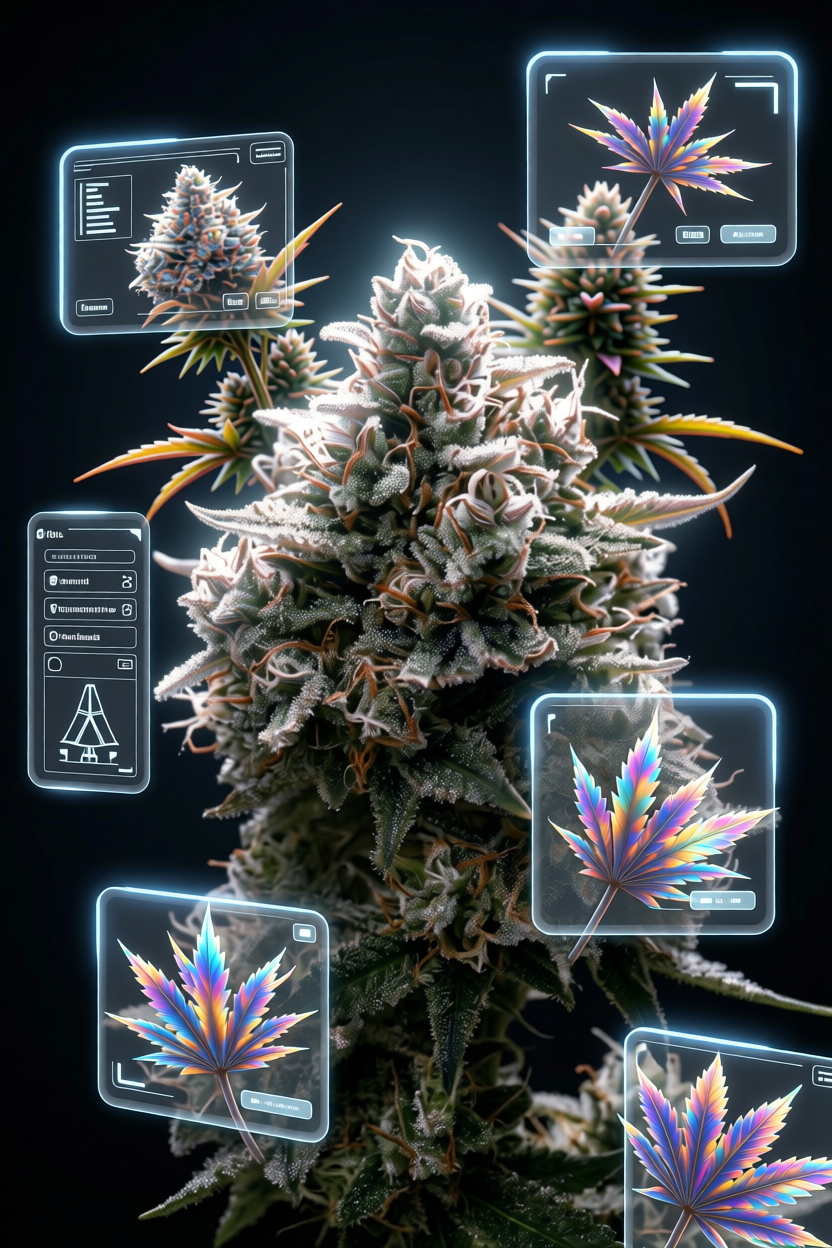
Understanding Cannabis Degradation: The Transformation of THC into CBN
Cannabis, a plant revered for its complex phytochemistry and diverse effects, undergoes a fascinating series of transformations from its cultivation to consumption. Among the most significant of these changes is the process of degradation, particularly the breakdown of its primary psychoactive compound, delta-9-tetrahydrocannabinol (THC), into cannabinol (CBN). This natural phenomenon, driven primarily by exposure to light, heat, and the passage of time (age), is a critical aspect for anyone involved with cannabis, from cultivators and processors to researchers and consumers. Understanding this chemical evolution is key to appreciating the full lifecycle of the plant and managing its quality and effects.
Introduction to Cannabis Degradation
At its core, degradation refers to the gradual deterioration of a substance. In the context of marijuana, this involves the alteration of its chemical profile, most notably its cannabinoid and terpene content. Freshly harvested cannabis is rich in a spectrum of compounds, each contributing to its unique characteristics. However, these compounds are not static; they are susceptible to environmental factors that initiate chemical reactions, leading to their transformation or breakdown.
While many cannabinoids can degrade, the conversion of THC to CBN is perhaps the most well-known and impactful. This process fundamentally alters the psychoactive potency and therapeutic profile of the plant material, shifting its effects from potentially invigorating to more sedating.
The Chemical Pathway: THC to CBN
To fully grasp the degradation of THC into CBN, it’s essential to understand the individual compounds involved and the specific chemical reactions that facilitate this transformation.
What is THC?
Delta-9-tetrahydrocannabinol (THC) is the most abundant and well-studied psychoactive cannabinoid found in cannabis. It is responsible for the characteristic euphoric and intoxicating effects associated with weed consumption. In the living plant, THC primarily exists as its acidic precursor, tetrahydrocannabinolic acid (THCA). Through a process called decarboxylation (typically induced by heat), THCA loses a carboxyl group and converts into active THC.
THC interacts with the body’s endocannabinoid system, primarily by binding to CB1 receptors in the brain and central nervous system, eliciting its psychoactive effects. Its chemical structure is relatively stable under ideal conditions but possesses specific vulnerabilities that lead to its degradation.
What is CBN?
Cannabinol (CBN) is a non-intoxicating or mildly psychoactive cannabinoid that is primarily formed as a degradation product of THC. Unlike THC, CBN is not directly synthesized by the cannabis plant in significant quantities. Instead, its presence is a strong indicator that the marijuana has been exposed to environmental factors over time.
While not as potent as THC, CBN has garnered interest for its potential therapeutic properties. Research suggests it may act as a sedative, an appetite stimulant, and possess anti-inflammatory and pain-relieving qualities. Its interaction with cannabinoid receptors is less pronounced than THC’s, particularly with CB1 receptors, explaining its reduced psychoactivity.
The Degradation Mechanism
The transformation of THC into CBN is primarily an oxidative degradation process. When THC is exposed to oxygen, light, or heat over an extended period, it undergoes a chemical reaction where it loses hydrogen atoms and gains oxygen atoms. This leads to the aromatization of the terpene ring within the THC molecule, resulting in the formation of CBN.
Specifically, the double bond in the cyclohexene ring of THC migrates, and the ring becomes aromatic. This structural change is irreversible and fundamentally alters the molecule’s interaction with cannabinoid receptors, leading to the distinct effects of CBN compared to THC. This breakdown is a natural part of the cannabis lifecycle once the plant material is no longer actively growing.
Key Factors Accelerating THC Degradation
Several environmental factors significantly accelerate the degradation of THC into CBN. Understanding these factors is crucial for preserving the quality and potency of cannabis products.
Light Exposure
Ultraviolet (UV) light, particularly UV-A and UV-B radiation, is one of the most potent catalysts for THC degradation. This process, known as photodegradation, involves the absorption of light energy by the THC molecule, which initiates the oxidative reactions leading to CBN formation. Even visible light, though less impactful than UV, can contribute to this breakdown over time.
This is why proper storage of weed in opaque containers is paramount. Continuous exposure to sunlight or even strong artificial light sources will rapidly diminish THC content and increase CBN levels, altering the desired effects of the marijuana.
Heat Exposure
Elevated temperatures are another major accelerator of THC degradation. While moderate heat is necessary for decarboxylation (converting THCA to THC), excessive or prolonged heat exposure pushes the reaction further, promoting the oxidation of THC into CBN.
Temperatures above room temperature, especially those encountered during improper drying, curing, or storage, can significantly speed up this breakdown. For instance, leaving cannabis in a hot car or near a heat source will quickly degrade its cannabinoid profile. Maintaining cool storage temperatures is therefore essential to slow down this chemical transformation.
Age and Time
The passage of time, or age, is an overarching factor that encompasses the cumulative effects of light and heat exposure, as well as ambient oxygen. Even under seemingly ideal storage conditions, a slow degradation process will occur simply due to the inherent instability of organic compounds. Over months and years, the THC content in weed will naturally diminish as it converts into CBN.
This is why “old marijuana” often has a different effect profile – less psychoactive and more sedating – due to its higher CBN content. The natural aging process, combined with unavoidable minor exposures to environmental stressors, ensures that no cannabis product remains chemically identical to its freshly harvested state indefinitely.
Oxygen Exposure
Oxygen in the air is a direct participant in the oxidative degradation of THC. When THC molecules come into contact with oxygen, they react, leading to the formation of CBN. This is why airtight storage is so critical. The more oxygen available to the cannabis material, the faster the breakdown of THC will occur.
Oxygen exposure works synergistically with light and heat. A product exposed to all three will degrade much faster than one protected from these elements. Minimizing air exposure is a fundamental principle in preserving the potency and freshness of weed.
The Impact of Degradation on Cannabis Quality and Effects
The degradation of THC into CBN has profound implications for the overall quality, potency, and therapeutic effects of cannabis.
Changes in Potency
The most noticeable impact of THC degradation is a reduction in the psychoactive potency of the marijuana. As THC converts into CBN, the intoxicating effects diminish. Consumers seeking a strong psychoactive experience will find older, degraded weed less effective in delivering those desired effects. This shift in cannabinoid profile directly correlates with a perceived loss of “strength” or “kick.”
Altered Therapeutic Profile
While a reduction in THC potency might be undesirable for some, the increase in CBN content introduces a different set of potential therapeutic benefits. As mentioned, CBN is often associated with sedative properties, making degraded cannabis potentially more suitable for individuals seeking sleep aid or relaxation without intense psychoactivity. This shift means that the therapeutic profile moves from potentially stimulating and euphoric to more calming and sedating. Understanding this can help consumers choose products based on their desired effects, even if it means intentionally seeking out older cannabis for its CBN content.
Sensory Changes
Degradation isn’t just about cannabinoids; it also affects the delicate terpenes responsible for the aroma and flavor of cannabis. Terpenes are highly volatile and susceptible to light, heat, and oxygen. As they degrade, the characteristic scent and taste of the weed diminish or change, often becoming harsher, less nuanced, or developing an “old hay” smell.
Visually, degraded marijuana may also show signs of aging, such as darkening in color, becoming drier, and more brittle. These sensory cues are often the first indicators that the cannabis has undergone significant chemical changes.
Preventing and Minimizing Degradation
For those who wish to preserve the potency and quality of their cannabis, understanding and implementing proper storage techniques is paramount.
Optimal Storage Conditions
The goal of optimal storage is to minimize exposure to the primary catalysts of degradation: light, heat, oxygen, and excessive moisture.
- Airtight Containers: Glass jars with airtight seals (e.g., mason jars) are ideal. They prevent oxygen from reaching the weed and help maintain a stable humidity level. Vacuum-sealed bags can also be effective for long-term storage.
- Dark, Cool Environments: Store cannabis in a dark place, away from direct sunlight or artificial light sources. A cool environment, typically below room temperature but above freezing, will significantly slow down chemical reactions. Basements, cupboards, or dedicated cannabis storage boxes are good options.
- Humidity Control: While not a direct cause of THC degradation into CBN, improper humidity can indirectly affect quality. Too much humidity can lead to mold growth, while too little can dry out the terpenes and cannabinoids, making the material brittle and accelerating the breakdown of volatile compounds. Relative humidity levels between 58-62% are generally recommended, often achieved with humidity packs.
Post-Harvest Handling
The initial stages after harvest are critical. Proper drying and curing processes are essential not only for developing the full flavor and aroma profile but also for stabilizing the cannabinoids. Rushing these processes or exposing the material to excessive heat or light during drying can initiate premature degradation. Slow, controlled drying and curing help preserve the integrity of the cannabinoids and terpenes.
Understanding Shelf Life
While there’s no universal expiration date for cannabis, its “shelf life” for optimal quality is generally considered to be 6 months to 1 year under ideal storage conditions. Beyond this, while still safe to consume, the material will likely have a significantly altered cannabinoid and terpene profile due to ongoing degradation. Products like concentrates and edibles may have different shelf lives depending on their specific composition and packaging.
Conclusion: Embracing the Lifecycle of Cannabis
The degradation of THC into CBN is a fundamental aspect of the cannabis lifecycle, a natural chemical breakdown driven by environmental factors such as light, heat, and age. Far from being merely a loss of potency, this transformation highlights the dynamic nature of the plant’s chemistry and introduces a cannabinoid, CBN, with its own unique properties.
For cultivators, understanding this process informs best practices for harvest, drying, and curing. For consumers, it empowers informed decisions about storage and helps manage expectations regarding the effects of their marijuana. By respecting the science behind degradation, we gain a deeper appreciation for the complex and ever-evolving nature of weed, recognizing that even in its decline, it continues to offer new dimensions of experience and potential benefit.