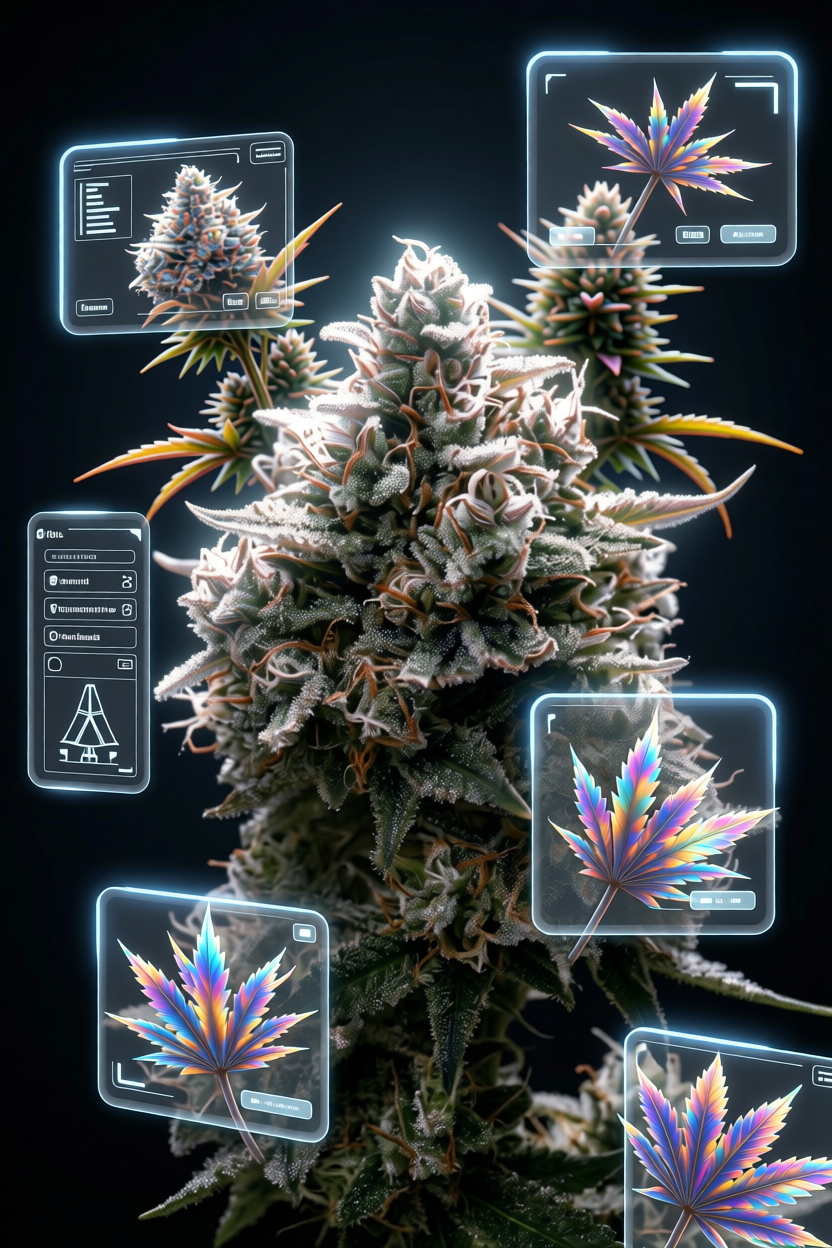
Photoperiod: Understanding the Light Cycle Requirements for Flowering in Plants
The intricate dance between plants and their environment is a marvel of natural selection, nowhere more evident than in the phenomenon of photoperiodism. This biological process allows plants to perceive and respond to changes in day length, orchestrating critical developmental stages such as dormancy, vegetative growth, and, most notably, flowering. For a specific category of plants, particularly those of significant agricultural and horticultural interest, a precise change in the light cycle is not merely a suggestion but an absolute requirement to begin flowering. This article will delve into the science behind photoperiodic flowering, focusing on species that require a distinct shift, often to a 12 hours on / 12 hours off (12/12) light cycle, to initiate their reproductive phase.
Introduction to Photoperiodism
Photoperiodism is the physiological response of organisms to the length of day or night. For plants, this mechanism serves as a crucial environmental cue, enabling them to synchronize their life cycle with the seasons. By sensing the duration of light and darkness, plants can determine the optimal time for various processes, ensuring successful reproduction and survival.
While some plants are “day-neutral” (flowering regardless of day length), the vast majority fall into two primary categories:
- Long-Day Plants (LDPs): These plants require a period of light exceeding a critical duration to begin flowering. Examples include spinach and radishes.
- Short-Day Plants (SDPs): These plants require a period of darkness exceeding a critical duration (or conversely, a light period shorter than a critical duration) to begin flowering. Many autumn-flowering species, including chrysanthemums and poinsettias, are classic SDPs.
Our focus here is on a specific subset of SDPs, exemplified by cannabis (often referred to as marijuana or weed), which exhibit a pronounced need for a significant change in their light cycle to transition from vegetative growth to flowering.
The Mechanism of Photoperiodic Flowering
Understanding how plants perceive and respond to light cycle changes is fundamental to appreciating their photoperiodic behavior.
Light Perception and Phytochromes
Plants don’t simply “see” light; they perceive its quality, intensity, and duration through specialized photoreceptors. The most critical photoreceptors for photoperiodism are phytochromes. Phytochromes exist in two interconvertible forms:
- Pr (phytochrome red): Absorbs red light (around 660 nm).
- Pfr (phytochrome far-red): Absorbs far-red light (around 730 nm).
When exposed to red light (present during daylight), Pr is converted to Pfr. Conversely, Pfr is slowly converted back to Pr in darkness or rapidly by far-red light. It is the ratio of Pr to Pfr, and more importantly, the duration of uninterrupted darkness during which Pfr reverts to Pr, that acts as the plant’s internal clock, signaling the length of the night.
The Role of Darkness (Night Length)
Contrary to what the terms “short-day” or “long-day” might suggest, it is primarily the length of the uninterrupted dark period that dictates the flowering response in many photoperiodic plants. For SDPs, a sufficiently long, continuous dark period is essential. If this dark period is interrupted by even a brief flash of light, the Pfr form is re-established, effectively resetting the “night clock” and preventing flowering.
Hormonal Signaling (Florigen)
Once the appropriate light cycle is perceived, a systemic signal is generated in the leaves and transported to the apical meristems (the growing tips of the plant). This signal, historically termed “florigen,” is now largely understood to be the Flowering Locus T (FT) protein. FT protein interacts with other regulatory proteins in the meristem, initiating the genetic cascade that leads to the development of flowers.
Photoperiodic Plants Requiring a Light Cycle Change for Flowering
While many SDPs exist, the most prominent example of a plant that requires a distinct change in its light cycle to begin flowering is cannabis.
The 12/12 Light Cycle for Cannabis
Cannabis is a classic short-day plant. In its natural environment, it enters the flowering phase as the days shorten in late summer and early autumn, signaling longer nights. In controlled indoor cultivation, growers meticulously mimic this natural change by adjusting the artificial light cycle.
During the vegetative growth phase, cannabis plants are typically kept under a long-day light cycle, such as 18 hours of light and 6 hours of darkness (18/6), or even 20/4 or 24/0. This extended light period promotes vigorous leaf and stem development. To induce flowering, cultivators initiate a dramatic change to a 12 hours on / 12 hours off (12/12) light cycle.
This precise 12/12 light cycle provides the uninterrupted 12-hour dark period that the cannabis plant’s genetics require to trigger the hormonal cascade leading to flowering. Within a week or two of this change, the plant will typically show visible signs of pre-flower development, followed by the full onset of flowering. Any disruption to this 12-hour dark period, even a brief flash of light, can confuse the plant, potentially delaying flowering, causing hermaphroditism, or even reverting it back to vegetative growth.
Genetics and Environmental Interaction
The photoperiodic response is not a standalone phenomenon but is deeply intertwined with the plant’s genetics and other environmental factors.
Genetic Predisposition
The ability of a plant to respond to photoperiodic cues is hardwired into its genetics. Different varieties or strains of cannabis, for instance, may have slightly varying critical dark periods or respond with different speeds to the 12/12 light cycle. Indica-dominant strains often flower more rapidly than Sativa-dominant strains once the change is initiated, reflecting their distinct genetic heritage and evolutionary adaptations to different latitudes. However, the fundamental requirement for a specific light cycle change to begin flowering remains consistent across all photoperiod-dependent cannabis genetics.
Environmental Factors Beyond Light
While the light cycle is the primary trigger for flowering in these plants, other environmental factors play crucial supporting roles in optimizing the flowering process. Temperature, humidity, nutrient availability, and CO2 levels do not initiate flowering, but they significantly influence the health, vigor, and yield of the plant once the light cycle change has occurred. Maintaining optimal conditions for these factors ensures the plant can fully express its genetic potential during the reproductive phase.
Practical Implications for Cultivation
The understanding of photoperiodism is paramount for cultivators of plants that require a light cycle change to begin flowering.
Indoor Cultivation
In indoor environments, growers have complete control over the light cycle. High-quality timers are essential to ensure precise and consistent 12/12 cycles for flowering. Preventing any light leaks into the grow space during the dark period is equally critical. Even small amounts of stray light can disrupt the plant’s perception of night length, leading to stress and suboptimal flowering. This meticulous control allows cultivators to initiate flowering on demand, regardless of the natural season.
Outdoor Cultivation
Outdoor plants naturally respond to the shortening days of late summer and early autumn. As the sun’s arc lowers and day length decreases, these plants receive the necessary longer dark periods to begin flowering. However, outdoor growers must contend with natural variables such as light pollution from streetlights or neighboring properties, which can interfere with the plant’s ability to accurately measure night length, potentially delaying or disrupting flowering.
Distinguishing from Other Plant Types
It’s important to differentiate photoperiodic plants from other categories to fully grasp their unique requirements.
Day-Neutral Plants
Day-neutral plants are those whose flowering is not primarily influenced by day length. Their transition to flowering is often triggered by age, size, or other internal developmental cues. Examples include tomatoes, cucumbers, and some varieties of corn. While environmental factors still play a role in their overall growth, a specific light cycle change is not required to begin flowering.
Autoflowering Cannabis
A significant distinction exists within the cannabis genus itself. While most marijuana and weed varieties are photoperiod-dependent, autoflowering cannabis strains have been bred to incorporate genetics from Cannabis ruderalis. These autoflowering plants do not require a change in the light cycle to begin flowering. Instead, they transition from vegetative growth to flowering based on their age, typically within 2-4 weeks of germination, regardless of the light schedule (e.g., they can flower under 18/6 or 24/0 light cycles). This makes them distinct from the photoperiodic plants discussed in this article, which are entirely reliant on the light cycle change to initiate their reproductive phase.
Conclusion
Photoperiodism is a sophisticated biological mechanism that enables many plants to thrive by synchronizing their development with seasonal changes. For a crucial group of plants, including the widely cultivated cannabis (marijuana/weed), a precise change in the light cycle is an absolute prerequisite to begin flowering. The transition to a 12 hours on / 12 hours off light cycle provides the critical uninterrupted dark period that these plants require to activate their genetic programming for reproduction. Understanding this intricate interplay of light, darkness, and genetics is not only a testament to the complexity of plant biology but also an indispensable tool for successful cultivation, allowing us to harness nature’s cues for optimal growth and yield.