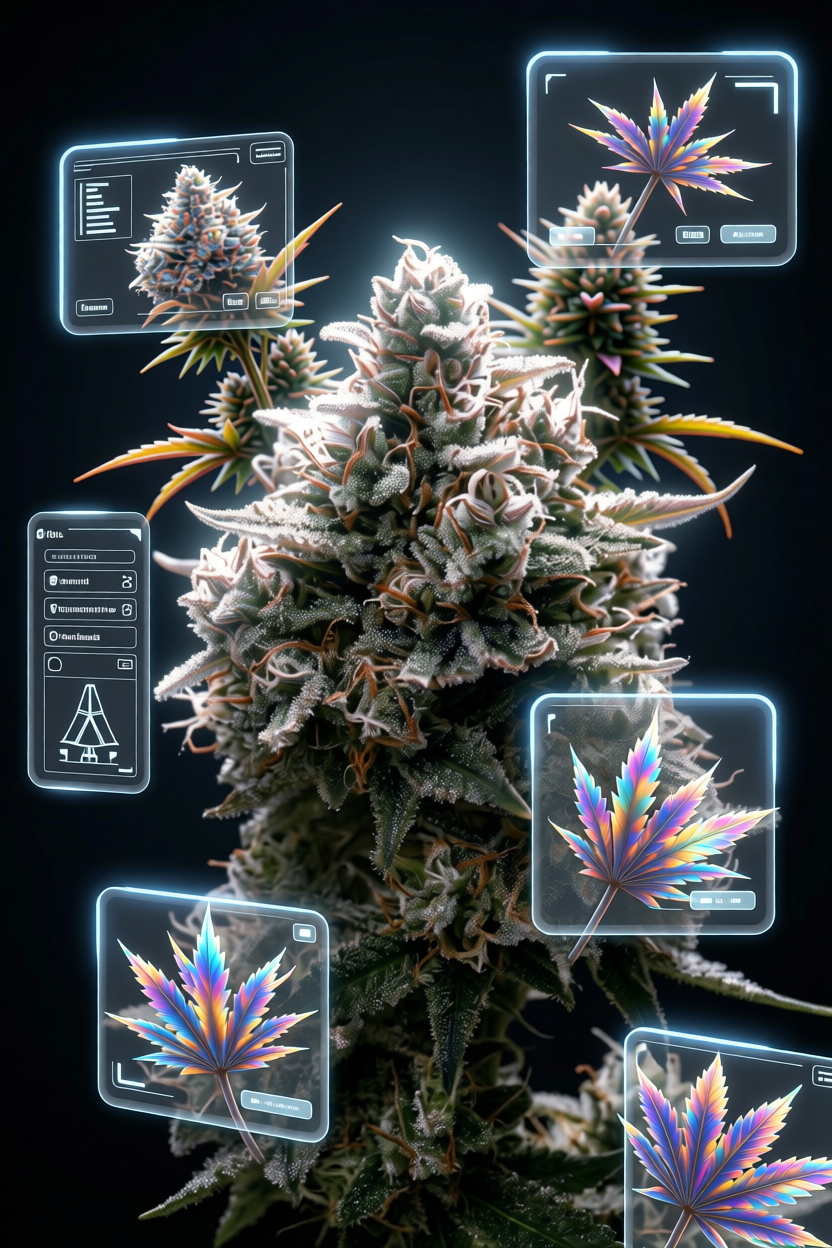
For years, cannabis consumers have walked into dispensaries armed with a single question: “What’s your highest THC percentage?” This fixation on potency numbers has shaped everything from cultivation practices to shelf placement, creating an industry where 30% THC flower commands premium prices regardless of whether it actually delivers a better experience. But something is shifting. Consumers are starting to ask different questions: “What will help me sleep?” “What’s good for a concert?” “I want to feel creative but not anxious.” This evolution toward mood-based shopping represents a fundamental change in how people think about cannabis, and it’s forcing dispensaries and brands to rethink their entire approach to marketing. The future isn’t about selling the strongest product on the shelf. It’s about matching consumers with experiences that align with their desired outcomes, whether that’s relaxation after a stressful day, focus for a creative project, or social energy for a night out with friends. This shift from potency-focused to effect-focused purchasing is already reshaping retail strategies across the industry.
## The Shift from Potency to Personal Experience
### The Limitations of THC Percentages
Here’s what most consumers don’t realize: THC percentage is a wildly unreliable predictor of how a product will actually make you feel. A 28% THC strain might leave you feeling foggy and couch-locked, while a 18% strain could deliver exactly the uplifting, functional experience you wanted. The numbers on the label tell you about cannabinoid concentration, not about the nuanced interplay of compounds that determine your actual experience.
Testing inconsistencies compound this problem. The same batch of flower can test at different percentages depending on which part of the plant gets sampled. Some cultivators have learned to game the system, optimizing for test results rather than consumer experience. The result is a marketplace where the metrics consumers rely on most are often the least meaningful.
### Understanding the Entourage Effect and Terpenes
The real drivers of cannabis experience lie in the full chemical profile: cannabinoids, terpenes, flavonoids, and compounds we’re still learning about. Terpenes like limonene, myrcene, and linalool don’t just create flavor and aroma. They interact with cannabinoids to shape the overall effect. A strain high in myrcene tends toward sedation, while limonene-dominant profiles often produce more energetic, mood-elevating experiences.
This is the entourage effect in action, and it explains why two strains with identical THC percentages can produce completely different experiences. Smart retailers are beginning to educate consumers about these relationships, shifting the conversation from “how strong?” to “what kind of experience are you looking for?”
## Psychology of Mood-Based Consumer Behavior
### Targeting Desired Outcomes Over Botanical Classifications
The traditional sativa, indica, and hybrid framework is collapsing under its own weight. These categories were never scientifically rigorous, and decades of crossbreeding have made them essentially meaningless from a genetic standpoint. What consumers actually want isn’t a botanical classification. They want to feel a certain way.
Successful brands are reframing their products around outcomes: sleep, creativity, relaxation, social energy, focus. This language resonates because it speaks directly to consumer intent. Someone shopping for a “sleep” product doesn’t need to understand terpene profiles or cannabinoid ratios. They just need to trust that the product will help them rest.
### The Emotional Drivers of Cannabis Purchases
Cannabis purchases are fundamentally emotional decisions dressed up in product specifications. People buy based on how they want to feel, then rationalize with THC numbers and strain names. Understanding this psychology is crucial for effective marketing.
The most compelling cannabis marketing taps into aspirational emotions. It’s not about the product itself but about the experience it enables: the perfect evening unwinding with friends, the creative breakthrough during a solo session, the relief after a difficult day. Brands that connect their products to these emotional outcomes build loyalty that transcends price and potency comparisons.
## Strategic Marketing for the Modern Dispensary
### Visual Merchandising by Occasion and Vibe
Walk into most dispensaries and you’ll find products organized by category: flower here, edibles there, concentrates in the corner. This makes inventory management easy but does nothing to help consumers find what they actually need. Progressive retailers are experimenting with occasion-based merchandising that groups products by intended use.
Imagine a “Weekend Adventures” section featuring energetic strains, portable vapes, and microdosed edibles. Or a “Wind Down” area with sedating flower, sleep-focused gummies, and relaxing tinctures. This approach mirrors how successful retailers in other industries organize products: not by what something is, but by what it’s for.
Color coding, lighting, and signage can reinforce these mood categories without requiring consumers to read detailed product descriptions. The goal is intuitive navigation that guides people toward products aligned with their intentions.
### Content Strategies for Lifestyle-Centric Branding
Content marketing in cannabis has traditionally focused on strain reviews and potency comparisons. Effect-based positioning demands a different approach: lifestyle content that shows products in context rather than isolation.
This might mean blog posts about “Cannabis and Creativity” that feature artist interviews alongside product recommendations. Or social content showing real people using products in relatable scenarios: movie nights, hiking trips, dinner parties. The product becomes part of a larger experience rather than the experience itself.
User-generated content is particularly powerful here. Real customers sharing how products fit into their lives creates authenticity that polished marketing can’t replicate.
## Bridging the Gap with Budtender Education
### Moving Beyond Sativa, Indica, and Hybrid Labels
Budtenders are the front line of the effect-based shopping revolution, and most are still working with outdated frameworks. Training programs need to evolve beyond strain memorization toward understanding how different chemical profiles produce different experiences.
This doesn’t mean every budtender needs a chemistry degree. It means equipping them with practical knowledge: which terpenes tend toward relaxation versus stimulation, how consumption method affects onset and duration, what questions to ask to understand customer intent. The goal is consultative expertise, not just product knowledge.
Role-playing exercises where budtenders practice matching products to customer scenarios can be remarkably effective. So can creating internal reference materials that map products to outcomes rather than just listing specifications.
### Consultative Selling Techniques for Effect-Based Discovery
The best budtender interactions feel like conversations, not sales pitches. Effect-based selling starts with questions: “What are you hoping to feel?” “When do you plan to use this?” “Have you had experiences with cannabis that you really enjoyed or really didn’t?”
These questions reveal intent in ways that “What THC percentage are you looking for?” never will. They also build trust by demonstrating genuine interest in the customer’s experience rather than just moving inventory. Budtenders who master this consultative approach consistently outperform those focused on upselling or pushing high-margin products.
Follow-up matters too. Dispensaries that track customer preferences and check in on product satisfaction create relationships that drive repeat visits.
## Future Trends in Personalized Cannabis Retail
The trajectory here points toward increasingly personalized experiences. Some dispensaries are already experimenting with customer profiles that track preferences, past purchases, and feedback to generate tailored recommendations. As data collection becomes more sophisticated, expect AI-powered recommendation engines similar to what Netflix and Spotify use.
Genetic testing for cannabis sensitivity is another frontier. Companies are exploring how individual differences in endocannabinoid systems affect product response, potentially enabling truly personalized product matching.
The regulatory environment will shape how quickly these innovations reach consumers. But the underlying trend is clear: the future of cannabis retail belongs to those who can match products to desired effects with precision and consistency.
For dispensaries and brands navigating this transition, the path forward requires investment in education, both for staff and consumers. It means rethinking everything from product development to shelf organization to marketing messaging. Most importantly, it means listening to what customers actually want rather than assuming they care about the same metrics the industry has always prioritized.
The shops that figure this out first will capture customer loyalty that lasts. Those clinging to THC percentage as their primary selling point will find themselves increasingly irrelevant as consumers grow more sophisticated. The shift toward mood-based shopping isn’t just a marketing trend. It’s a fundamental evolution in how people relate to cannabis, and it’s happening now.