The Lux Meter: A Simple Yet Indispensable Tool for Measuring Light Intensity
Light is fundamental to life, influencing everything from human well-being and productivity to the growth of plants. While our eyes perceive light, quantifying its intensity requires a specialized instrument. Enter the lux meter – a remarkably simple yet profoundly useful tool designed specifically to measure illuminance, or the intensity of light falling on a surface. This article will delve into the intricacies of the lux meter, explaining its function, applications, and the underlying principles that make it an essential device across numerous fields, from optimizing indoor environments to cultivating thriving cannabis plants.
Understanding Light and Its Measurement
Before exploring the lux meter itself, it’s crucial to grasp the basic concepts of light and how its various properties are quantified.
What is Light?
Light, in its simplest definition, is electromagnetic radiation that is visible to the human eye. It travels in waves and is characterized by its wavelength, frequency, and energy. The visible spectrum, which is a small portion of the entire electromagnetic spectrum, ranges from approximately 380 nanometers (violet) to 780 nanometers (red). Different light sources emit varying spectral distributions, which can significantly impact how light is perceived and utilized.
Key Photometric Units
When discussing light, several units are used to describe different aspects of its emission and reception. Understanding these distinctions is vital for appreciating what a lux meter actually measures.
- Luminous Flux (Lumen – lm): This unit quantifies the total amount of visible light emitted by a light source in all directions. It’s a measure of the “power” of the light source as perceived by the human eye. For example, a 60-watt incandescent bulb might produce around 800 lumens.
- Luminous Intensity (Candela – cd): While lumen measures total output, candela measures the luminous flux emitted by a light source in a specific direction. It’s useful for directional light sources like spotlights.
- Illuminance (Lux – lx): This is the core concept a lux meter addresses. Lux measures the density of luminous flux falling on a specific surface area. One lux is defined as one lumen per square meter (1 lx = 1 lm/m²). It tells us how brightly a surface is illuminated, irrespective of the light source’s total output or direction. This is a crucial distinction: a powerful light source (high lumens) can produce low lux if it’s far away or spread over a large area, and vice-versa.
- Luminance (Nit – cd/m²): This unit measures the amount of light reflected or emitted from a surface in a particular direction. It’s what makes a surface appear bright to the eye.
While these units describe different aspects of light, the lux meter specifically focuses on illuminance, providing a direct measurement of the light intensity at a given point.
The Lux Meter: A Simple Tool Explained
At its heart, a lux meter is a straightforward device designed to provide an objective, quantifiable measure of light intensity.
What is a Lux Meter?
A lux meter is an electronic device that measures illuminance, expressed in lux (lx) or foot-candles (fc). It typically consists of a light sensor, a processing unit, and a digital display. The sensor is designed to mimic the spectral sensitivity of the human eye, meaning it responds most strongly to green-yellow light (around 555 nm) and less to red or blue light, aligning with the CIE standard photometric curve.
How Does a Lux Meter Work?
The operation of a lux meter is based on the photoelectric effect.
- Light Reception: Light strikes a photodiode, which is the primary component of the sensor. This photodiode is often made of silicon and is housed under a translucent cover designed to diffuse light evenly and correct for angular incidence, ensuring accurate readings regardless of the light’s angle.
- Current Generation: When photons (light particles) hit the photodiode, they excite electrons, generating a small electrical current. The magnitude of this current is directly proportional to the intensity of the incident light.
- Signal Amplification and Conversion: This tiny current is then amplified by an internal circuit. The amplified signal is processed and converted into a digital reading, which is then displayed in lux or foot-candles on the device’s screen.
- Spectral Correction: High-quality lux meters incorporate filters to ensure their spectral response closely matches that of the human eye. This is important because different wavelengths of light generate different amounts of current in the photodiode, and without correction, the meter might over- or underestimate certain colors relative to human perception.
Types of Lux Meters
Lux meters come in various forms, catering to different needs and budgets:
- Basic Handheld Digital Meters: These are the most common type, offering simple point-and-shoot functionality with a digital display. They are affordable and suitable for general-purpose measurements.
- Advanced Meters with Data Logging: Some professional-grade lux meters include features like data logging, allowing users to record measurements over time, calculate averages, and transfer data to a computer for analysis. They may also offer higher accuracy and broader measurement ranges.
- Integrated Meters: Certain environmental monitoring devices or multi-function tools may include a lux meter as one of their sensors.
- Smartphone Apps (with caveats): While many smartphone apps claim to turn your phone into a lux meter, their accuracy is highly questionable. Smartphone cameras and ambient light sensors are not designed for precise photometric measurements and lack proper spectral correction, making them unreliable for critical applications.
Practical Applications of a Lux Meter
The simplicity and effectiveness of the lux meter make it an invaluable tool across a diverse range of applications.
Horticulture and Plant Cultivation (Cannabis/Weed/Marijuana)
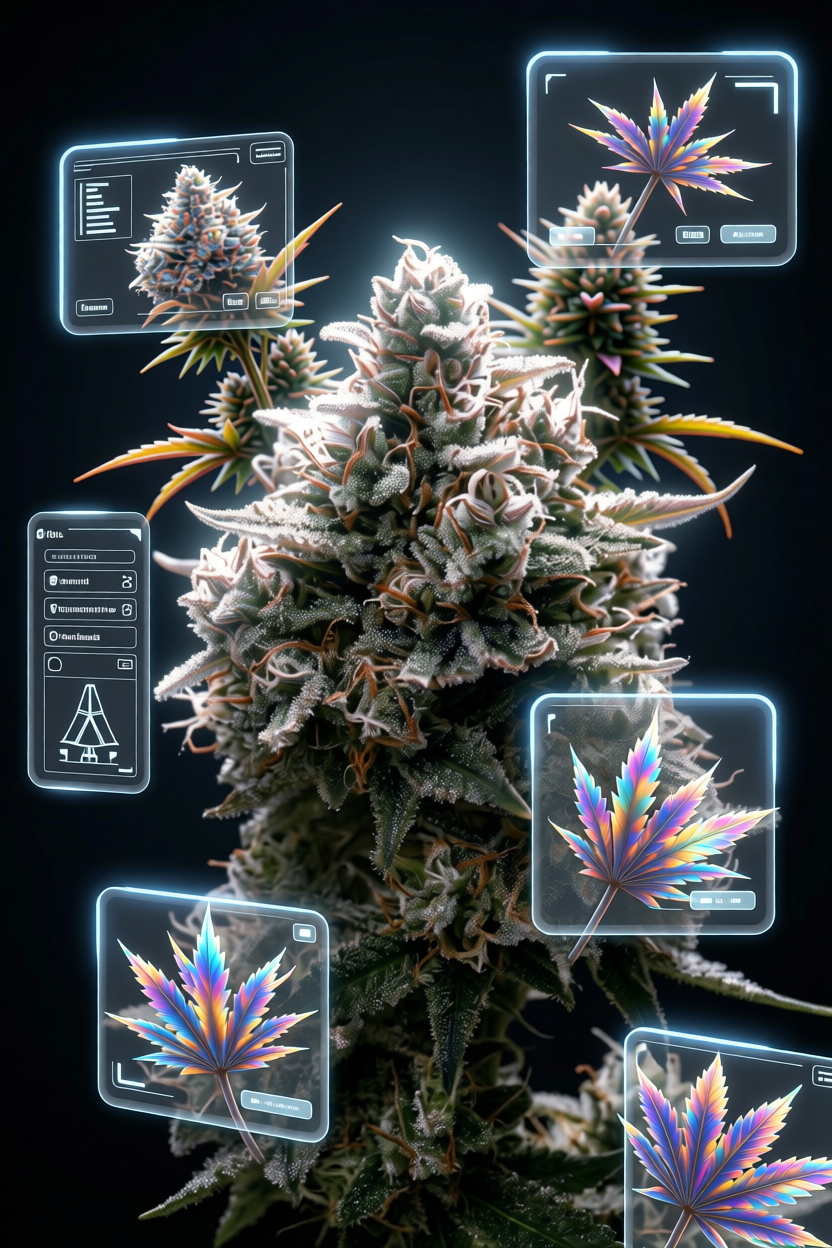
One of the most significant applications for a lux meter is in plant cultivation, particularly for high-value crops like cannabis, marijuana, or other specialty plants. Light intensity is a critical factor for photosynthesis, the process by which plants convert light energy into chemical energy for growth.
- Optimizing Light Placement: Growers use a lux meter to ensure that plants receive adequate and uniform light across the entire canopy. By taking readings at various points, they can adjust the height and position of grow lights to eliminate hot spots (areas of excessive light that can cause stress) and dark spots (areas of insufficient light that hinder growth).
- Meeting Growth Stage Requirements: Different stages of plant growth – seedling, vegetative, and flowering – have distinct light intensity requirements. A lux meter helps growers provide the optimal lux levels for each stage, promoting healthy development and maximizing yields. For example, seedlings require lower lux levels, while flowering cannabis plants thrive under much higher intensities.
- Monitoring Light Degradation: Over time, grow lights can degrade and lose intensity. Regular lux meter readings allow growers to monitor this degradation and replace bulbs or fixtures before light levels become detrimental to plant health.
Crucial Insight for Horticulture: While a lux meter is a useful tool for general light management in horticulture, it’s important to understand its limitations. Lux measures light as perceived by the human eye, not necessarily the Photosynthetically Active Radiation (PAR) that plants primarily use (wavelengths between 400-700 nm). Different light sources (e.g., HPS, LED, fluorescent) have different spectral outputs. A high lux reading from an HPS light might correspond to a different PAR value than the same lux reading from an LED light, because LEDs often have a more tailored spectrum for plant growth. For precise scientific cultivation, a dedicated PAR meter is superior, but a lux meter remains a valuable, affordable alternative for general light intensity management, especially when used consistently with the same light source.
Interior Design and Architecture
Lux meters are essential for ensuring that indoor spaces are adequately and appropriately lit for their intended purpose.
- Compliance with Standards: Many building codes and ergonomic guidelines specify minimum lux levels for various environments (e.g., offices, classrooms, hospitals, retail spaces). Designers and architects use lux meters to verify compliance.
- Comfort and Productivity: Proper lighting contributes to visual comfort, reduces eye strain, and enhances productivity. Lux meters help assess whether lighting levels are optimal for tasks performed in a given space.
- Energy Efficiency: By measuring light levels, designers can optimize the placement and type of fixtures, potentially reducing the number of lights needed or integrating natural daylighting strategies to save energy.
Photography and Videography
Photographers and videographers rely on light intensity measurements to achieve proper exposure and creative effects.
- Exposure Settings: While modern cameras have built-in light meters, an external lux meter can provide more precise readings of ambient light, helping to set aperture, shutter speed, and ISO for perfectly exposed shots.
- Lighting Ratios: In studio settings, a lux meter helps balance the intensity of multiple light sources (key light, fill light, back light) to create desired lighting ratios and achieve specific moods or effects.
Workplace Safety and Ergonomics
Adequate lighting is a critical factor in workplace safety and ergonomics.
- Preventing Accidents: Insufficient lighting can lead to trips, falls, and other accidents, particularly in industrial or hazardous environments. Lux meters help ensure that work areas meet safety standards.
- Reducing Eye Strain: Prolonged work under poor lighting conditions can cause eye strain, headaches, and fatigue. Regular light intensity checks help maintain an environment conducive to visual comfort and long-term health.
Energy Efficiency Audits
Lux meters play a role in identifying opportunities for energy savings in buildings.
- Over-illumination: In some areas, lighting levels may be unnecessarily high, leading to wasted energy. A lux meter can pinpoint these areas, allowing for adjustments such as dimming, replacing high-wattage bulbs with lower-wattage alternatives, or optimizing natural light use.
- Optimizing Sensor Placement: For lighting systems with occupancy sensors or daylight harvesting controls, a lux meter helps calibrate and verify the effectiveness of these sensors.
Using a Lux Meter Effectively: Best Practices
To obtain accurate and reliable measurements from a lux meter, certain best practices should be followed.
Calibration and Accuracy
- Regular Calibration: Like any precision instrument, lux meters can drift over time. For critical applications, professional calibration services should be utilized periodically to ensure accuracy.
- Sensor Care: Keep the sensor clean and free from dust, fingerprints, or scratches, as these can significantly affect readings.
- Temperature Stability: Extreme temperatures can impact sensor performance. Allow the meter to stabilize at the ambient temperature before taking readings.
Measurement Techniques
- Perpendicular Placement: Always hold the lux meter’s sensor perpendicular to the light source and parallel to the surface being measured. This ensures the sensor captures the full intensity of the light falling on that plane.
- Avoid Shadows: Ensure your body or hands do not cast a shadow on the sensor while taking a reading.
- Multiple Readings: For a comprehensive assessment, take multiple readings across the area of interest (e.g., a plant canopy, a desk surface) and calculate an average. This accounts for variations in light distribution.
- Ambient Light Consideration: Be mindful of ambient light sources (windows, other fixtures) that might influence your readings, especially if you are trying to measure the intensity of a specific light source.
Interpreting Readings
- Context is Key: A lux reading is only meaningful when interpreted within the context of its application. For example, 5,000 lux might be perfect for a general office, but insufficient for a flowering cannabis plant, which might require 50,000-70,000 lux.
- Reference Standards: Consult industry standards, horticultural guidelines, or ergonomic recommendations to determine appropriate lux levels for your specific needs.
Limitations and Considerations
While a lux meter is a powerful tool, it’s important to be aware of its inherent limitations, particularly in specialized fields like horticulture.
Lux vs. PAR (Photosynthetically Active Radiation)
This is perhaps the most critical distinction for plant growers.