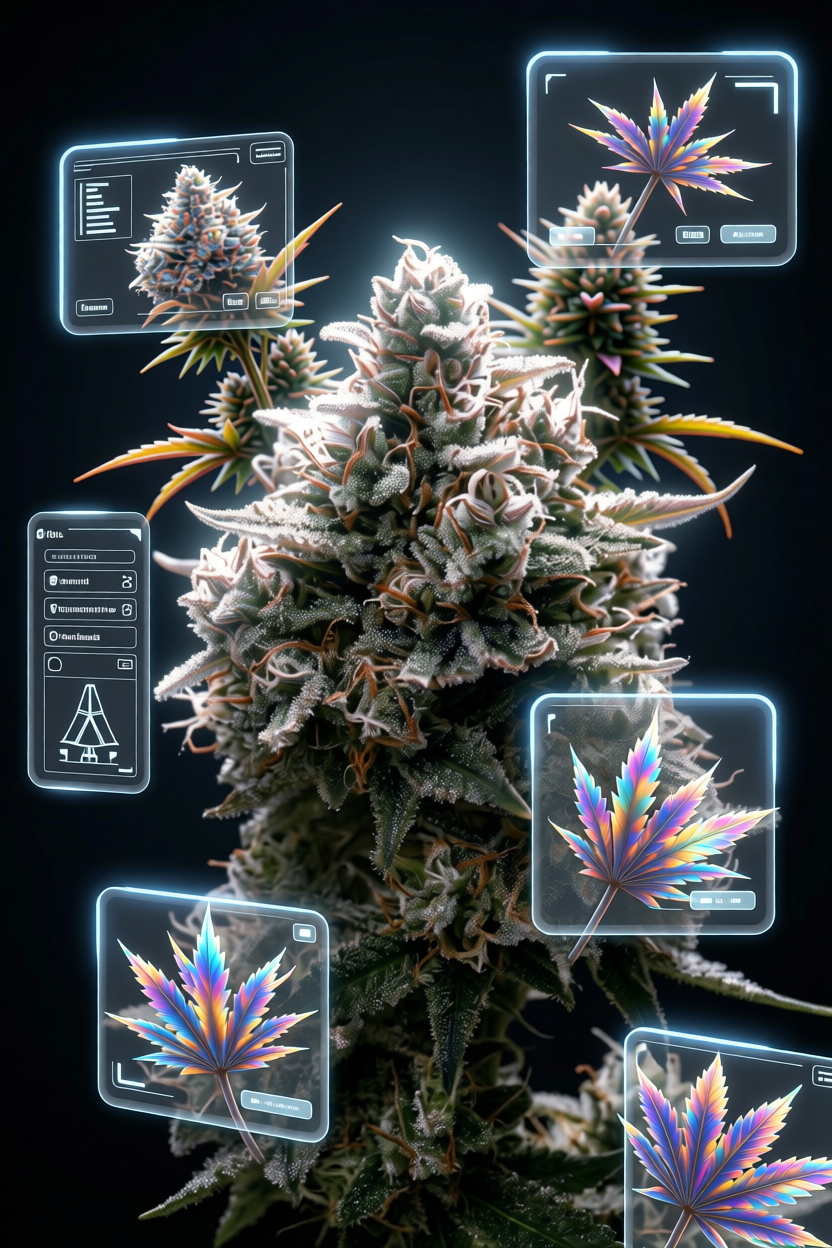
Seamless Traceability: Documenting Phenohunting Decisions for Genetics & Nursery Success
Phenohunting is a quest for superior plant traits. But without proper record-keeping, even the most promising discoveries can lead to confusion. Effective documentation, especially for chain of custody, is vital for every Genetics & Nursery program.
Why Document Your Phenohunting Journey?
Good records save time, prevent errors, and inform future decisions. They create a clear roadmap for every plant. This is crucial for:
- Traceability: Knowing exactly where a plant came from and what it’s experienced.
- Decision Making: Learning from past successes and failures.
- Quality Control: Maintaining consistency across your operations.
- Intellectual Property: Protecting your unique breeding efforts.
Key Elements for Phenohunting Chain of Custody
Documenting your decisions ensures a strong chain of custody, from seed to sale. Focus on these critical points:
- Unique IDs: Assign a unique identifier to every seed, seedling, and plant. This is their individual passport.
- Source Material: Where did it originate? (e.g., specific cross, landrace, acquired clone). Date of acquisition.
- Propagation & Nursery Data:
- Sow/cut date, location, medium.
- Who performed the task.
- Environmental conditions (if applicable).
- Fertilization and pest control treatments.
- Location Tracking: Where is the plant currently housed? Any transfers between grow rooms, fields, or stages.
- Observation Logs: Record phenotypic traits, growth rates, pest resistance, and any unusual observations.
- Sampling Records: When, where, and by whom a sample (e.g., leaf for lab testing) was taken. What was the sample’s destination?
- Breeding Events: If used for crosses, document parent plants and date.
- Harvest & Post-Harvest: Harvest date, yield, post-harvest processing details.
Making Documentation Easy & Effective
Keeping track doesn’t have to be a burden. Simple, consistent methods are best.
- Standardized Forms: Use templates, whether digital or paper, for all data entry.
- Digital Tools: Spreadsheets or specialized Genetics & Nursery management software can streamline data input and retrieval.
- Clear Labeling: Ensure all plants and containers have legible, durable labels with their unique ID.
- Regular Updates: Encourage immediate recording of actions to avoid memory lapses.
- Team Training: Ensure everyone understands the importance and methods of documentation.
By implementing robust documentation practices, your Phenohunting efforts will be clear, reproducible, and ready for future innovation. It’s an investment in your success and the future of your Genetics & Nursery program.