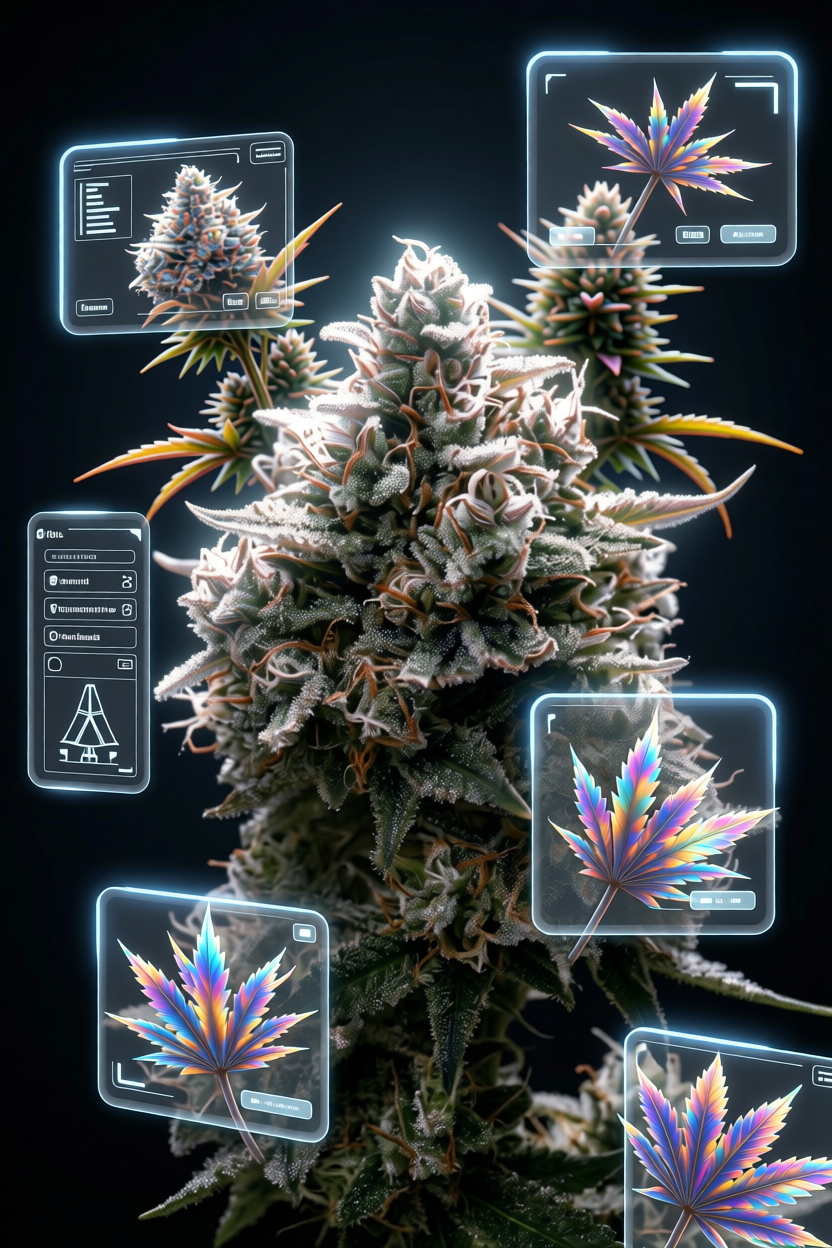
Cultivar: Unpacking the Technical Term for a Cultivated Cannabis Variety
In the rapidly evolving world of cannabis, precision in language is paramount. While the term “strain” has long been ubiquitous in popular discourse, the scientific and horticultural communities increasingly advocate for the use of “cultivar.” This shift isn’t merely semantic; it reflects a deeper understanding of cannabis genetics, breeding, and the plant’s relationship with human intervention. A cultivar, short for “cultivated variety,” is the technically accurate designation for a specific type of cannabis that has been developed and maintained through human selection and propagation.
This article will delve into the precise meaning of “cultivar,” explain why it is the preferred term over “strain,” explore the genetic underpinnings of these unique varieties, and discuss their significance for consumers, cultivators, and the future of the cannabis industry.
Understanding “Cultivar”: More Than Just a Name
The journey from a wild plant to a distinct, reproducible cannabis product involves significant human effort. The term “cultivar” encapsulates this journey, distinguishing human-influenced varieties from those found naturally.
The Etymology and Definition
The word cultivar is a portmanteau derived from “cultivated variety.” It was coined in 1923 by Liberty Hyde Bailey, an American botanist, to specifically denote plant varieties that originated and are maintained in cultivation. This definition is crucial: a cultivar is not a naturally occurring botanical variety or subspecies. Instead, it is a group of plants selected for desirable characteristics and maintained through propagation, ensuring those traits are preserved.
For cannabis, this means any named variety like ‘Blue Dream’, ‘OG Kush’, or ‘Sour Diesel’ is, by definition, a cultivar. These are not naturally occurring genetic variations found in the wild; they are the result of deliberate breeding, selection, and stabilization by humans to achieve specific cannabinoid profiles, terpene profiles, growth habits, and other traits.
Why “Cultivar” is the Technically Accurate Term for Cannabis
The widespread use of the term “strain” for different types of weed or marijuana is largely a legacy of the illicit market, where scientific accuracy was not a priority. However, from a botanical and microbiological perspective, “strain” is imprecise and often misleading:
- Botanical Context: In botany, “strain” typically refers to a genetic variant within a species, often used for microorganisms like bacteria or fungi. For higher plants, “variety” or “cultivar” are the correct terms.
- Genetic Consistency: While “strain” implies a stable genetic lineage, the term “cultivar” more accurately reflects the consistent, reproducible genetic makeup and phenotypic expression that breeders strive for. A true cultivar can be reliably propagated (often clonally) to produce offspring with the same characteristics.
- Scientific Rigor: As the cannabis industry matures and moves towards legitimate agricultural and pharmaceutical models, adopting precise, technical terminology is essential for scientific research, quality control, and consumer education. Using “cultivar” elevates the discourse and aligns cannabis with other agricultural commodities.
Therefore, when discussing specific types of cannabis plants developed through human intervention, “cultivar” is the appropriate and accurate term.
The Genetic Basis of Cannabis Cultivars
The distinct characteristics of any cannabis cultivar are rooted in its genetics. Understanding the interplay between a plant’s genetic code and its observable traits is fundamental to appreciating the complexity and diversity of these cultivated varieties.
Phenotype and Genotype
Every cultivar possesses a unique genotype, which is its complete genetic blueprint. This genotype dictates the potential range of characteristics the plant can express. The actual observable characteristics of a plant – its size, shape, color, aroma, cannabinoid and terpene profiles, and even its psychoactive effects – constitute its phenotype.
While the genotype provides the instructions, the phenotype is the result of those instructions interacting with environmental factors such as light, nutrients, temperature, and humidity. For example, two plants with the exact same genetics (clones from the same mother plant) can exhibit slightly different phenotypes if grown under different conditions. However, a true cultivar is selected and stabilized for a consistent phenotype under standard cultivation practices.
Breeding and Selection: Crafting New Cultivars
The creation of new cannabis cultivars is a sophisticated process of selective breeding. Breeders meticulously cross-pollinate parent plants with desirable traits, then select offspring that exhibit the best combination of those traits. This process can take multiple generations to stabilize a new variety.
Key objectives in breeding include:
- Cannabinoid Profile: Developing plants with specific ratios of THC, CBD, CBG, CBN, and other minor cannabinoids to achieve desired effects or therapeutic potential.
- Terpene Profile: Enhancing specific aromas and flavors (e.g., citrus, pine, fuel, earthy) and leveraging the potential “entourage effect” where terpenes modulate cannabinoid activity.
- Growth Characteristics: Selecting for traits like disease resistance, pest resistance, specific plant structure (e.g., compact for indoor growing), faster flowering times, or higher yields.
- Adaptability: Breeding cultivars that thrive in particular climates or cultivation environments.
Through careful selection and backcrossing, breeders work to create a stable cultivar whose desirable traits are consistently expressed across generations, whether propagated from seed or clonally.
Key Characteristics Defining a Cannabis Cultivar
What makes one cannabis cultivar distinct from another? It’s a combination of factors, primarily driven by its unique genetics and expressed through its observable traits.
Cannabinoid Profile
Perhaps the most recognized characteristic, the cannabinoid profile refers to the specific types and concentrations of cannabinoids present in the plant. This includes:
- Tetrahydrocannabinol (THC): The primary psychoactive compound in marijuana.
- Cannabidiol (CBD): A non-intoxicating cannabinoid known for its therapeutic potential.
- Minor Cannabinoids: Compounds like Cannabigerol (CBG), Cannabinol (CBN), Tetrahydrocannabivarin (THCV), and Cannabichromene (CBC), which contribute to the overall effects and therapeutic properties.
A cultivar might be high-THC, high-CBD, balanced, or rich in specific minor cannabinoids, each offering a distinct experience or therapeutic application.
Terpene Profile
Terpenes are aromatic compounds found in many plants, including cannabis, responsible for its diverse scents and flavors. Beyond aroma, terpenes are believed to interact synergistically with cannabinoids, influencing the overall effects – a phenomenon known as the “entourage effect.” Common terpenes include:
- Myrcene: Earthy, musky, often associated with relaxing effects.
- Limonene: Citrusy, uplifting.
- Caryophyllene: Spicy, peppery, the only terpene known to act as a cannabinoid.
- Pinene: Piney, potentially promoting alertness.
The unique combination and concentration of terpenes give each cultivar its signature aroma and contribute significantly to its overall character.
Morphology and Growth Habits
The physical characteristics of the cannabis plant itself are also defining features of a cultivar. These include:
- Plant Structure: Whether it grows tall and lanky (often associated with ‘sativa’ lineage) or short and bushy (often associated with ‘indica’ lineage).
- Leaf Shape: The width and number of leaflets.
- Bud Density and Structure: From airy to dense, and the overall shape of the flower clusters.
- Flowering Time: The duration required for the plant to mature and produce flowers.
- Yield Potential: The amount of usable flower a plant can produce.
These morphological traits are crucial for cultivators, influencing cultivation techniques, space requirements, and harvest efficiency.
The Importance of Cultivar Identification and Consistency
Accurate identification and consistent reproduction of cannabis cultivars are vital for the integrity and growth of the entire industry.
For Consumers
For individuals using cannabis, especially for medical purposes, reliable cultivar identification ensures:
- Predictable Effects: Consumers can choose a variety known to produce specific effects (e.g., relaxation, energy, pain relief) based on its established cannabinoid and terpene profile.
- Consistent Experience: Knowing they are getting the same cultivar means they can expect a similar experience each time, fostering trust and informed decision-making.
- Targeted Use: Patients can consistently access cultivars that have proven effective for their specific conditions, avoiding trial-and-error with unknown products.
For Cultivators and Breeders
For those involved in growing and developing cannabis, cultivar consistency is critical for:
- Quality Control: Ensuring that products meet specific standards for potency, purity, and sensory attributes.
- Intellectual Property: Protecting the unique genetics and characteristics of new varieties developed through significant investment and effort.
- Market Differentiation: Offering distinct products with unique selling propositions based on their specific cultivar traits.
- Reproducibility: The ability to consistently grow plants with desired traits, whether for commercial scale or further breeding.
For Research and Regulation
As cannabis becomes more integrated into mainstream science and medicine, the precise use of “cultivar” is indispensable for:
- Standardization: Enabling researchers to conduct studies on specific cannabis types with confidence that their findings are reproducible and comparable across different studies.
- Scientific Study: Facilitating a deeper understanding of the plant’s pharmacology, therapeutic potential, and optimal applications.
- Regulatory Compliance: Providing a clear framework for product labeling, testing, and quality assurance, ensuring public safety and accurate information.
The Future of Cannabis Cultivars
The journey of cannabis cultivars is far from over. Advances in science and technology are continually pushing the boundaries of what’s possible in breeding and understanding this complex plant.
Advanced Genetic Research
The advent of genomic sequencing and advanced genetic tools is revolutionizing cannabis breeding. Researchers can now map the entire genetics of a cultivar, identifying specific genes responsible for cannabinoid and terpene production, disease resistance, and other traits. This allows for:
- Marker-Assisted Selection: Speeding up breeding programs by identifying desirable traits at the seedling stage, rather than waiting for the plant to mature.
- Precision Breeding: Developing new cultivars with highly specific cannabinoid and terpene ratios tailored for particular medical conditions or recreational experiences.
- Disease Resistance: Breeding plants that are naturally resistant to common pests and pathogens, reducing the need for chemical interventions.
Intellectual Property and Naming Conventions
As the cannabis industry globalizes, challenges related to intellectual property and standardized naming conventions for cultivars are emerging. Unlike traditional agriculture with established registration systems, the legacy of the illicit market means many popular cannabis names are not formally protected. Efforts are underway to:
- Establish Cultivar Registries: Creating official databases to register and protect new cultivars, similar to those for other agricultural crops.
- Standardize Naming: Developing clear guidelines for naming new varieties to avoid confusion and ensure scientific accuracy.
- Protect Breeder Rights: Ensuring that the innovators who develop new and valuable cultivars receive due recognition and protection for their work.
Conclusion
The term “cultivar” represents a significant step forward in bringing scientific rigor and clarity to the cannabis industry. Far more precise than “strain,” it accurately describes a “cultivated variety” of cannabis developed and maintained through human selection and propagation