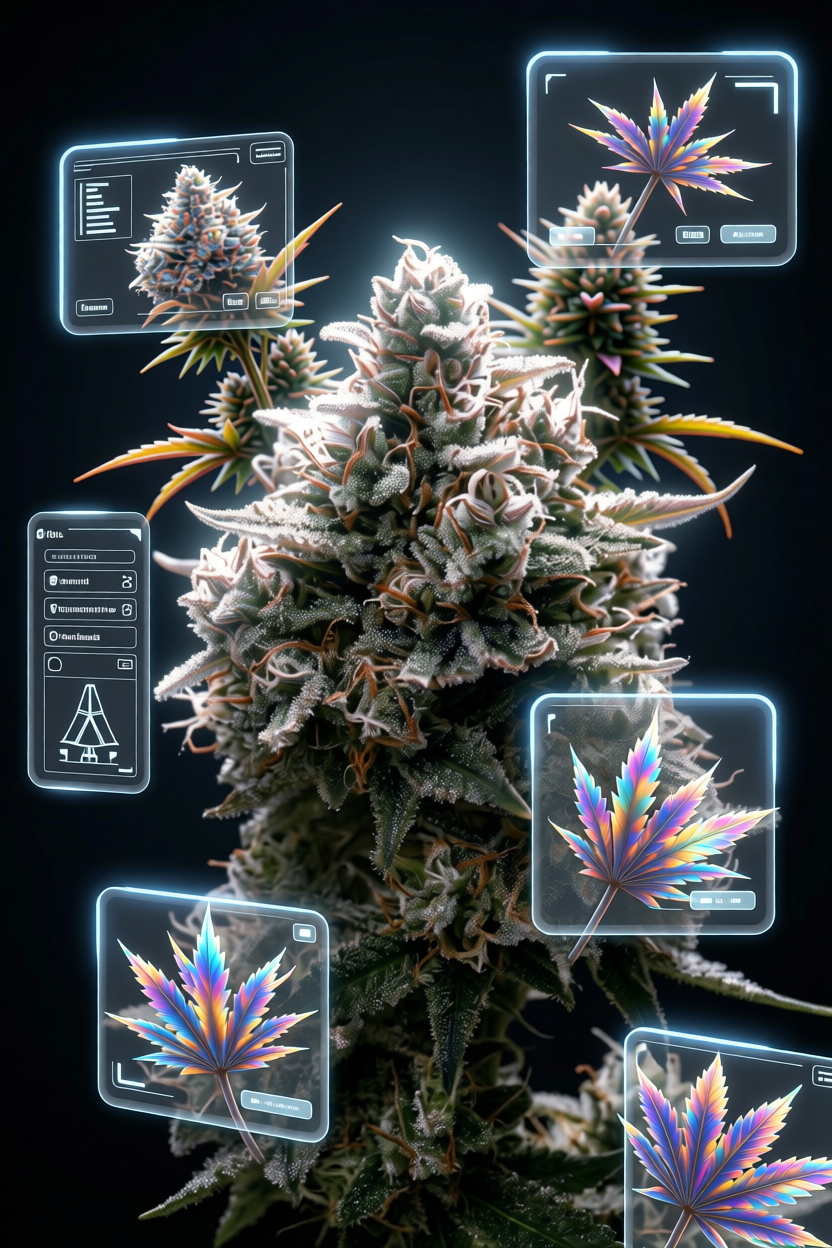
Cannabigerol (CBG): Unveiling the “Mother Cannabinoid” from Which Others Derive
In the intricate tapestry of the Cannabis sativa plant, hundreds of unique compounds known as cannabinoids play pivotal roles in its diverse effects and potential applications. While tetrahydrocannabinol (THC) and cannabidiol (CBD) often dominate the conversation, an increasingly recognized and profoundly significant cannabinoid is cannabigerol, or CBG. Often hailed as the “mother cannabinoid,” CBG stands as the foundational precursor from which many other well-known cannabinoids, including THC and CBD, ultimately derive. Understanding CBG is not merely an exploration of another cannabis compound; it is a journey to the very genesis of cannabinoid chemistry within the plant.
The Chemical Genesis: Why CBG is the “Mother Cannabinoid”
The designation of cannabigerol as the “mother cannabinoid” is rooted deeply in the plant’s biochemical pathways. It’s not CBG itself, but its acidic form, cannabigerolic acid (CBGA), that serves as the primary building block for the major cannabinoids found in cannabis.
The Biosynthesis Pathway
The journey begins with olivetolic acid and geranyl pyrophosphate, which combine to form CBGA. This molecule, CBGA, is the central hub in the cannabinoid synthesis factory. From this single precursor, specific enzymes, known as synthases, act as molecular sculptors, directing the pathway towards different cannabinoid acids:
- THCA Synthase converts CBGA into Tetrahydrocannabinolic Acid (THCA), the precursor to THC.
- CBDA Synthase converts CBGA into Cannabidiolic Acid (CBDA), the precursor to CBD.
- CBCA Synthase converts CBGA into Cannabichromenic Acid (CBCA), the precursor to CBC.
Once these acidic forms (THCA, CBDA, CBCA) are produced, they undergo a process called decarboxylation – typically triggered by heat, light, or time – to shed their carboxyl group and transform into their neutral, non-acidic counterparts: THC, CBD, and CBC, respectively.
Crucially, any remaining CBGA that isn’t converted by these specific synthases will naturally decarboxylate into CBG. This elegant chemical process unequivocally establishes CBGA, and by extension CBG, as the ancestral molecule from which the vast majority of other cannabinoids in the cannabis plant derive. This fundamental chemistry underscores why CBG is so central to understanding the full spectrum of compounds in weed and marijuana.
The Rarity of CBG in Mature Plants
Despite its foundational role, CBG is typically found in relatively low concentrations (often less than 1%) in most mature cannabis strains. This scarcity is a direct consequence of the plant’s natural biosynthesis. As the cannabis plant matures, the enzymes efficiently convert most of the available CBGA into THCA or CBDA, depending on the strain’s genetic predisposition (i.e., whether it’s a “THC-dominant” or “CBD-dominant” chemovar).
However, recent advancements in cannabis cultivation and selective breeding have led to the development of specialized “high-CBG” strains. These varieties are specifically bred to either lack the enzymes that convert CBGA into other cannabinoids or to have a genetic makeup that favors the accumulation of CBGA, allowing more of it to remain unconverted and eventually decarboxylate into CBG. This innovation has made it possible to explore the unique properties of CBG in greater depth.
The Endocannabinoid System (ECS) and CBG’s Interaction
To understand the potential effects of cannabigerol, it’s essential to first grasp the basics of the endocannabinoid system (ECS), a complex regulatory network present in all mammals.
A Brief Overview of the ECS
The ECS is a crucial homeostatic regulator, influencing a wide array of physiological processes, including mood, sleep, appetite, pain sensation, immune function, and memory. It comprises three main components:
- Endocannabinoids: Naturally produced lipid-based neurotransmitters (e.g., anandamide, 2-AG) that bind to cannabinoid receptors.
- Cannabinoid Receptors: Primarily CB1 receptors (abundant in the brain and central nervous system) and CB2 receptors (found predominantly in the immune system and peripheral tissues).
- Enzymes: Responsible for synthesizing and breaking down endocannabinoids.
Phytocannabinoids like CBG, THC, and CBD interact with this system, modulating its activity and thereby influencing various bodily functions.
CBG’s Unique Receptor Affinity
Unlike THC, which is a potent agonist of CB1 receptors and thus produces intoxicating effects, CBG is non-intoxicating. Its interaction with the ECS is multifaceted and distinct:
- CB1 and CB2 Receptors: Research suggests that CBG acts as a partial agonist or antagonist at both CB1 and CB2 receptors, meaning it can either weakly activate them or block other compounds from binding. This nuanced interaction contributes to its non-psychoactive profile while still allowing for therapeutic potential.
- Beyond the ECS: CBG’s influence extends beyond the classical cannabinoid receptors. It has been shown to interact with several other receptor systems, which broadens its potential therapeutic scope:
- Alpha-2 Adrenergic Receptors: CBG acts as an agonist at these receptors, which are involved in regulating blood pressure, pain, and sedation.
- 5-HT1A Serotonin Receptors: CBG is a potent antagonist at these receptors, which are implicated in mood regulation, anxiety, and nausea. This interaction is particularly interesting given CBD’s similar activity.
- TRPV Channels (Transient Receptor Potential Vanilloid): CBG is an agonist of TRPV1, TRPV2, TRPV3, and TRPV4 channels. These channels are involved in pain perception, inflammation, and body temperature regulation. Activating TRPV1, for instance, can desensitize pain pathways.
- PPARγ Receptors (Peroxisome Proliferator-Activated Receptor Gamma): CBG has been shown to activate PPARγ, which plays a role in metabolism, inflammation, and cell differentiation.
These diverse interactions highlight CBG’s complex pharmacology and suggest a wide range of potential effects that are distinct from other cannabinoids.
Potential Therapeutic Avenues: Exploring CBG’s Effects
While research into CBG is still in its nascent stages, particularly human clinical trials, preclinical studies and anecdotal reports point to a promising array of potential therapeutic applications. It’s crucial to note that these findings are largely exploratory and require further rigorous investigation.
Neuroprotective Properties
Early research suggests that CBG may possess neuroprotective qualities. Studies, including some on animal models of Huntington’s disease, have indicated that CBG could reduce neuroinflammation and protect brain cells from damage, potentially slowing neurodegeneration. This makes CBG a cannabinoid of interest for various neurological conditions.
Anti-inflammatory and Analgesic Potential
CBG’s interaction with TRPV1 receptors, known as the “vanilloid receptor,” is particularly relevant to its potential as an anti-inflammatory and analgesic agent. By modulating these receptors, CBG may help reduce pain perception and mitigate inflammatory responses throughout the body. This could make it beneficial for conditions characterized by chronic pain and inflammation.
Antibacterial and Antifungal Activity
Perhaps one of the most compelling areas of research for CBG is its potent antibacterial activity. Studies have shown CBG to be effective against various bacterial strains, including methicillin-resistant Staphylococcus aureus (MRSA), a notoriously difficult-to-treat antibiotic-resistant bacterium. Its antifungal properties are also being explored, positioning CBG as a potential new agent in the fight against microbial infections.
Glaucoma and Intraocular Pressure
Preliminary research from the 1990s indicated that CBG might be effective in reducing intraocular pressure, a key factor in glaucoma. By potentially increasing aqueous humor outflow, CBG could offer a novel approach to managing this debilitating eye condition.
Appetite Stimulation
Unlike CBD, CBG has shown promise as an appetite stimulant in some animal models. This effect could be beneficial for individuals suffering from conditions that lead to appetite loss and cachexia, such as cancer or HIV/AIDS.
Bladder Dysfunction
Studies have investigated CBG’s effects on bladder contractions, suggesting it may help reduce the frequency of bladder contractions in animal models. This indicates potential for managing overactive bladder symptoms.
Antitumor Potential
Emerging in vitro and in vivo studies have explored CBG’s potential in oncology. Research has suggested that CBG may inhibit the growth of certain cancer cells, including colorectal cancer, glioblastoma, and prostate cancer, by inducing apoptosis (programmed cell death) and inhibiting proliferation. While highly preliminary, these findings warrant significant further investigation.
CBG vs. Other Cannabinoids: A Comparative Perspective
Understanding CBG’s unique profile is often best achieved by comparing it to its more famous cannabinoid relatives.
CBG vs. CBD
Both CBG and CBD are non-intoxicating and have garnered significant interest for their therapeutic potential. However, their mechanisms of action and primary research focuses differ:
- Receptor Interaction: While CBD has a complex interaction with the ECS, often acting indirectly, CBG appears to have more direct binding affinity to CB1 and CB2 receptors, albeit as a partial agonist/antagonist. CBG also shows stronger interaction with alpha-2 adrenergic and 5-HT1A serotonin receptors.
- Primary Research: CBD has been extensively studied for anxiety, epilepsy, and inflammation. CBG’s research focus, while overlapping in inflammation, extends more strongly into neuroprotection, antibacterial activity, and glaucoma.
- Abundance: CBD is typically abundant in hemp and many cannabis strains, whereas CBG is usually a minor cannabinoid unless specifically bred for.
CBG vs. THC
The most significant distinction between CBG and THC is its psychoactivity.
- Intoxication: THC is the primary intoxicating compound in marijuana, responsible for the “high.” CBG, like CBD, is non-intoxicating and does not produce psychoactive effects.
- Receptor Binding: THC is a strong agonist of CB1 receptors. CBG, as discussed, has a more nuanced interaction, often counteracting some of THC’s effects.
- Entourage Effect: When consumed together, CBG may contribute to the “entourage effect,” a theory suggesting that cannabinoids, terpenes, and other cannabis compounds work synergistically to enhance therapeutic benefits and modulate adverse effects. CBG might help temper some of the anxiety or paranoia associated with high doses of THC.
Cultivation and Extraction of CBG
The increasing interest in CBG has spurred innovations in cannabis cultivation and extraction techniques aimed at maximizing its yield.
Optimizing CBG Content in Cannabis Strains
Cultivators focused on high-CBG production employ several strategies:
- Genetic Selection: Breeding programs specifically select cannabis plants that naturally produce higher levels of CBGA or lack the enzymes to convert it to other cannabinoids.
- Harvest Timing: Harvesting plants earlier in their life cycle, before most of the CBGA has been converted to THCA or CBDA, can result in higher CBG content.
- Environmental Controls: Optimizing growing conditions, including light cycles, temperature, and nutrient profiles, can also influence cannabinoid production.
Extraction Methods
Extracting CBG from cannabis biomass typically involves methods similar to those used for other cannabinoids:
- CO2 Extraction: Supercritical CO2 extraction is a popular method due to its ability to selectively extract cannabinoids without harsh solvents, resulting in a clean, pure product.
- Ethanol Extraction: Ethanol can also be used as a solvent to extract cannabinoids, followed by purification steps to isolate CBG.
- Chromatography: Advanced purification techniques like chromatography are often employed to separate CBG from other cannabinoids and plant compounds, achieving high purity CBG isolates or broad-spectrum extracts rich in CBG.