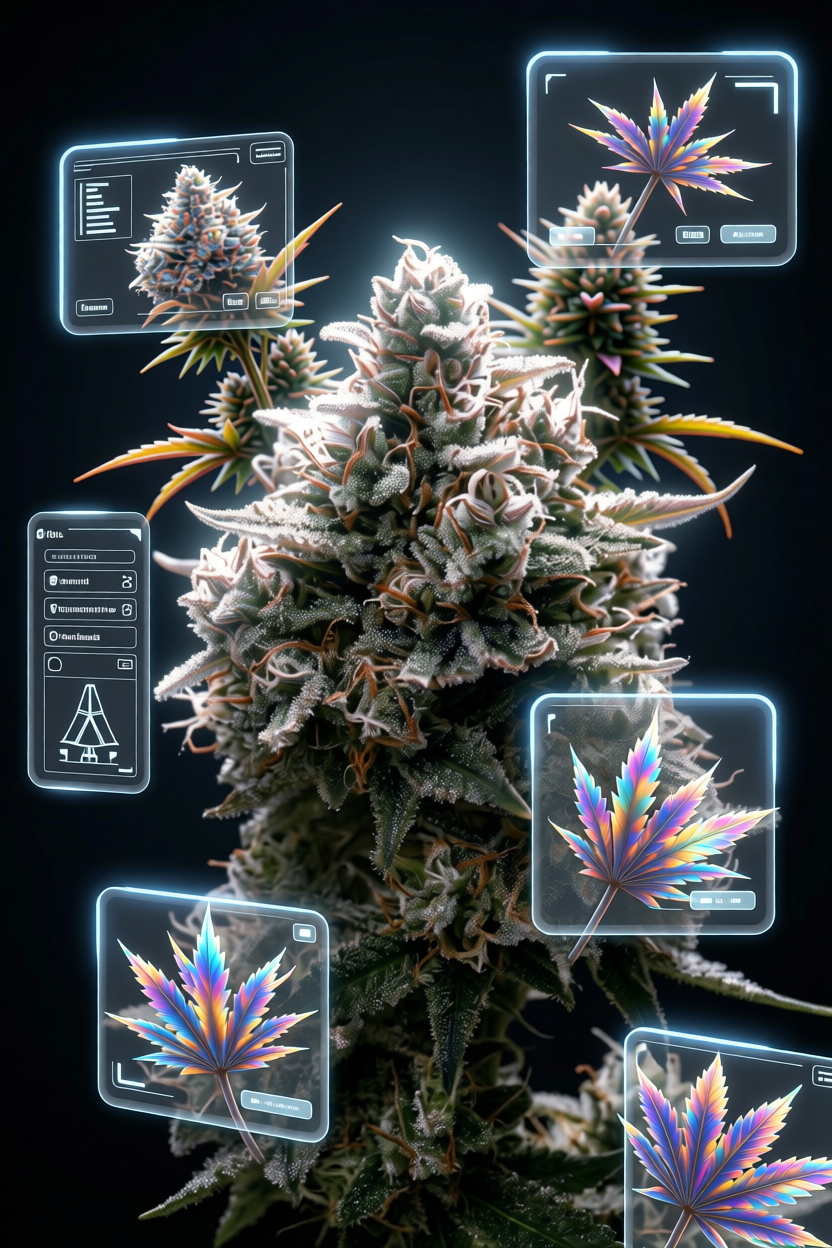
Ripening: The Pinnacle of Cannabis Cultivation – Understanding the Final Weeks of Flower
The journey of cultivating cannabis is a meticulous one, culminating in a critical period often referred to as “ripening.” This phase, encompassing the final weeks of flower, is where the plant dedicates its remaining energy to perfecting its reproductive structures. It’s a transformative time when buds swell, resin matures, and the plant’s full genetic potential for potency, aroma, and flavor is realized. For any cultivator aiming for truly exceptional quality, understanding and expertly managing this ripening stage is paramount.
This article will delve deep into the physiological processes, environmental considerations, and crucial indicators that define the ripening phase, providing an authoritative guide for optimizing your cannabis harvest.
Understanding the Flowering Cycle Pre-Ripening
Before we focus on the final weeks, it’s helpful to briefly contextualize the preceding stages of the flowering cycle.
Early to Mid-Flower Development
Following the vegetative phase, cannabis plants transition into flowering when exposed to a specific light cycle (typically 12 hours of darkness for photoperiod strains). The initial weeks are characterized by the emergence of pistils (the white hairs indicating female flower development) and the formation of rudimentary buds. As the plant progresses, these early structures begin to stack, forming the foundational architecture of what will become dense, resinous buds. During this period, the plant is primarily focused on structural development and initial cannabinoid synthesis, laying the groundwork for the intensive maturation that occurs during ripening.
The Ripening Phase: Definition and Significance
The ripening phase, often spanning the last 2-4 weeks of the flowering cycle, is the plant’s grand finale. It is the period where the cannabis plant shifts its focus from building new flower structures to enhancing the existing ones. This is where the magic truly happens, as the plant concentrates its energy on increasing the density and mass of its buds, and, most importantly, on the prolific production and maturation of its secondary metabolites – cannabinoids and terpenes.
The significance of this phase cannot be overstated. It directly dictates the final quality of the harvested marijuana, influencing everything from the psychoactive effects and medicinal properties to the aroma, flavor, and overall bag appeal. A perfectly ripened flower will exhibit peak potency, a rich terpene profile, and optimal density, making it a truly premium product.
Key Physiological Changes During Ripening
During these final weeks, a series of complex physiological changes occur within the cannabis plant, each contributing to the ultimate quality of the buds.
Bud Swelling and Density
One of the most visually apparent changes during ripening is the dramatic increase in bud swelling and density. The calyxes, which are the small, tear-drop shaped structures that make up the bulk of the flower, expand significantly. This expansion is not merely an increase in size but also a tightening of the flower structure, leading to denser, more compact buds. This final push in biomass accumulation is crucial for maximizing yield and creating the desirable “bag appeal” of well-formed cannabis flower.
Resin Production and Maturation
Perhaps the most critical aspect of ripening is the intensive production and maturation of resin. This sticky substance, secreted by glandular trichomes, is a complex cocktail of cannabinoids, terpenes, and flavonoids.
- Trichome Color Changes: Trichomes, the tiny mushroom-shaped glands covering the buds and sugar leaves, undergo distinct color changes that serve as the primary indicator for harvest timing.
- Clear Trichomes: Indicate immature resin with lower cannabinoid potency.
- Cloudy/Milky Trichomes: Signify peak THC synthesis. This is often the desired stage for a more cerebral, energetic effect.
- Amber Trichomes: Indicate that THC is beginning to degrade into CBN (cannabinol), which is associated with more sedative, relaxing effects. A mix of cloudy and amber is often sought after for a balanced experience.
- Cannabinoid Synthesis and Degradation: During ripening, the plant’s enzymatic machinery works overtime to synthesize cannabinoids like THCA (tetrahydrocannabinolic acid) and CBDA (cannabidiolic acid) from their precursor, CBGA (cannabigerolic acid). As ripening progresses, environmental factors and time can lead to the decarboxylation and degradation of these compounds, most notably the conversion of THCA to THC, and eventually, THC to CBN. Understanding this progression allows cultivators to tailor the harvest to specific desired effects.
- Terpene Development and Concentration: Terpenes, the aromatic compounds responsible for the diverse scents and flavors of cannabis, also reach their peak concentration and complexity during ripening. These compounds not only contribute to the sensory experience but also play a significant role in the entourage effect, modulating the overall impact of cannabinoids. Optimal ripening ensures a rich and varied terpene profile.
Pistil Receding and Browning
While not as reliable as trichome observation, the transformation of pistils (the hair-like stigmas) offers a secondary visual cue. Initially white and upright, as the flower matures, these pistils will typically recede, curl inwards, and change color from white to orange, red, or brown. When a significant majority (e.g., 70-90%) of pistils have darkened, it suggests the buds are approaching their peak.
Fan Leaf Senescence (Yellowing)
In the final weeks of flowering, it’s common and natural for the large fan leaves to begin to senesce, or yellow. This is a sign that the plant is reallocating nutrients stored in these leaves to the developing buds, a process often encouraged by a “flushing” regimen (reducing or eliminating nutrient input). This natural nutrient draw-down helps ensure a cleaner, smoother smoke by minimizing residual salts in the flower.
Environmental Factors Influencing Ripening
Optimizing the growing environment during ripening is crucial for maximizing the quality of the weed.
Light Spectrum and Intensity
During the final weeks, a full-spectrum light source with a strong red and far-red component can encourage bud swelling and cannabinoid/terpene production. Maintaining appropriate light intensity without causing stress is also vital, as too much light can degrade delicate compounds, while too little can hinder development.
Temperature and Humidity
Controlling temperature and humidity is paramount. Slightly cooler temperatures during the dark cycle (e.g., 65-70°F or 18-21°C) can encourage terpene production and help preserve volatile compounds. Lowering humidity (e.g., 40-50%) in the final weeks is critical to prevent mold and mildew, especially as buds become dense and less airflow can penetrate their core.
Nutrient Management
Many cultivators practice “flushing” during the final weeks of flowering. This involves feeding the plants only plain, pH-balanced water for the last 1-2 weeks (or longer, depending on the medium and strain). The goal is to encourage the plant to consume its internal nutrient reserves, leading to a cleaner, smoother-tasting product with less harshness from residual salts. While some debate the efficacy of flushing, it remains a widely adopted practice.
Airflow and CO2
Adequate airflow is always important, but especially so during ripening when buds are dense and susceptible to moisture buildup. Good air circulation helps prevent mold and ensures a fresh supply of CO2 for photosynthesis, even as the plant’s metabolic rate might be slowing.
Determining Optimal Harvest Time During Ripening
Accurately determining the optimal harvest window is perhaps the most critical skill a cultivator can develop. Harvesting too early results in underdeveloped buds with lower potency and fewer terpenes, while harvesting too late can lead to degraded cannabinoids and a more sedative effect.
Trichome Observation
This is the gold standard. Using a jeweler’s loupe or a digital microscope (30x-100x magnification), examine the trichomes on the buds (not just the sugar leaves, as they mature faster).
- Early Harvest (more energetic): Aim for mostly cloudy trichomes with very few clear, and perhaps 5-10% amber.
- Peak Harvest (balanced): A common target is 70-80% cloudy, 10-20% amber, and very few clear.
- Late Harvest (more sedative): If a heavier, more narcotic effect is desired, allow 30-50% or more of the trichomes to turn amber.
Pistil Observation
While less precise, pistil color can provide a general guideline. When 70-90% of the pistils have darkened and curled, it’s a good indication that the buds are nearing maturity and it’s time to start closely monitoring trichomes.
Overall Plant Vigor and Appearance
Observe the plant’s overall health. Is it showing natural senescence (yellowing leaves)? Are the buds firm and dense? Does the plant appear to have stopped producing new white pistils? These are all signs of maturity.
Strain-Specific Considerations
Different cannabis strains have unique ripening characteristics. Some may finish faster, others slower. Some may produce more amber trichomes naturally, while others stay cloudy longer. Consulting breeder information and observing previous grows of the same strain can provide valuable insights.
Common Mistakes and Misconceptions During Ripening
Even experienced cultivators can make errors during this delicate phase.
- Harvesting Too Early/Late: The most common mistake. Impatience can lead to underdeveloped buds, while waiting too long can result in a less desirable cannabinoid profile.
- Over-feeding/Under-feeding: While flushing is common, some growers might cut nutrients too early or too aggressively, starving the plant during its final push. Conversely, over-feeding can lead to nutrient burn and a harsh final product.
- Ignoring Environmental Controls: Neglecting temperature, humidity, and airflow can lead to issues like mold, pest infestations, or degradation of valuable compounds.
- Focusing Solely on Pistils: Relying only on pistil color for harvest timing is a common pitfall. Trichome observation is far more accurate.
Conclusion
The ripening phase is the crescendo of the cannabis flowering cycle, a period of intense physiological activity where buds swell and resin matures to its peak. Mastering these final weeks of flower requires a keen eye, precise environmental control, and a deep understanding of the plant’s biology. By diligently monitoring trichome development, managing nutrients, and maintaining optimal conditions, cultivators can ensure their marijuana reaches its full potential, yielding a product of superior quality, potency, and aromatic complexity. This expert-level attention to detail during ripening is what truly distinguishes exceptional cannabis from the rest.