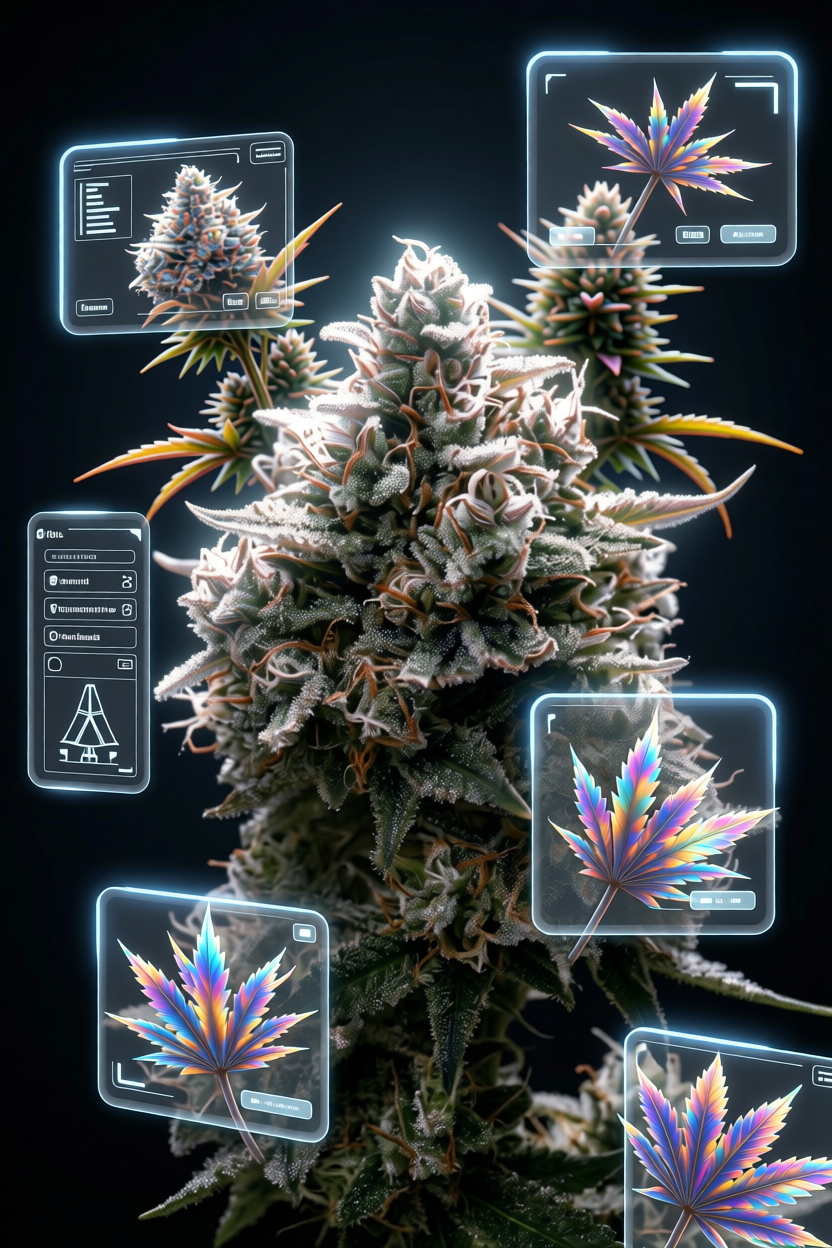
The Node: A Fundamental Point of Emergence in Plant Biology
In the intricate architecture of a plant, few structures are as fundamentally important and universally present as the node. Far more than just a simple mark on a stem, the node represents a critical point of intense biological activity, serving as the primary where new growth emerges, driving the plant’s overall development and form. Understanding the node is essential for anyone seeking to comprehend plant physiology, growth patterns, and horticultural practices.
Defining the Node: A Hub of Growth
At its most basic, a node is the specific point on the stem of a plant where branches or leaves emerge. It is a region of concentrated meristematic tissue, meaning it contains cells capable of division and differentiation, leading to the formation of new organs. This makes the node a powerhouse of growth, dictating much of a plant’s structure.
Related Concepts: Internodes and Axillary Buds
To fully appreciate the node, it’s crucial to understand its relationship with adjacent structures:
- Internode: The segment of the stem located between two consecutive nodes. The length of the internode can vary significantly depending on the plant species, environmental conditions, and hormonal influences. Short internodes often indicate compact, bushy growth, while long internodes suggest rapid elongation.
- Axillary Bud (or Lateral Bud): Situated in the axil (the angle formed between a leaf or branch and the main stem) of each leaf at a node, the axillary bud is a dormant or active meristematic structure. These buds have the potential to develop into new branches, leaves, or even flowers, depending on the plant’s developmental stage and hormonal signals. The presence and activity of axillary buds are key to a plant’s branching habit.
- Leaf Scar: While not a living part of the node, a leaf scar is a mark left on the stem after a leaf has fallen off. These scars are typically found at nodes and can be useful for identifying plant species or estimating past growth.
The Multifaceted Functions and Significance of Nodes
The significance of nodes extends far beyond merely being the point where leaves emerge. They are central to numerous physiological processes:
1. Driving Vegetative Growth and Branching
Nodes are the primary sites for vegetative growth. Each active axillary bud at a node holds the potential for a new branch to emerge, contributing to the plant’s overall canopy and photosynthetic capacity. The number and spacing of nodes directly influence a plant’s bushiness and yield potential. Hormones like auxins, produced in the apical meristem (the tip of the main stem), typically inhibit the growth of axillary buds, a phenomenon known as apical dominance. When the apical meristem is removed (e.g., through pruning), this inhibition is lifted, allowing axillary buds at lower nodes to activate and develop into branches.
2. Reproductive Development
While often associated with vegetative growth, nodes are also crucial for reproductive development. In many plant species, flowers, which are modified leaves, emerge from axillary buds located at nodes. These floral buds will eventually develop into flowers, leading to fruit and seed production. The timing and location of flower formation at specific nodes are critical for the plant’s reproductive success.
3. Hormonal Regulation
Nodes are areas of significant hormonal activity. They are sensitive to the balance of various plant hormones, including auxins, cytokinins, and gibberellins. This hormonal interplay dictates whether an axillary bud remains dormant, develops into a vegetative branch, or forms a flower. The precise regulation at each node ensures coordinated growth and resource allocation throughout the plant.
4. Facilitating Vegetative Propagation
For horticulturists and plant enthusiasts, understanding nodes is paramount for successful vegetative propagation, particularly through cloning. Cuttings taken for cloning must include at least one node because this is where the meristematic tissue capable of forming new roots resides. When placed in a suitable rooting medium, the cells at the node are stimulated to differentiate into root cells, allowing a new, genetically identical plant to emerge.
Variations in Node Arrangement
The arrangement of leaves and branches at nodes is a key characteristic used in plant identification and classification. These patterns are consistent within a species:
- Alternate: Only one leaf (and thus one axillary bud) emerges at each node, with subsequent leaves alternating sides of the stem.
- Opposite: Two leaves emerge directly opposite each other at the same node.
- Whorled: Three or more leaves emerge in a circle or “whorl” around the stem at a single node.
Nodes in Specific Plant Contexts: The Case of Cannabis
The significance of nodes is particularly pronounced in the cultivation of certain plants, such as cannabis (often referred to as marijuana or weed). For cannabis growers, observing the nodes is critical for several reasons:
- Sex Determination: In dioecious cannabis plants, the first signs of sex often emerge at the nodes. Pre-flowers, tiny rudimentary flowers, become visible at the point where branches or leaves emerge from the main stem. Identifying these early allows growers to remove male plants, preventing pollination and ensuring a harvest of sinsemilla (seedless) female flowers.
- Branching and Yield: The number and health of nodes directly correlate with the potential for bud sites. More nodes mean more potential branches, and thus more potential for flower development, leading to higher yields. Techniques like topping (removing the apical meristem) are employed to encourage axillary buds at lower nodes to develop, increasing the number of main colas.
- Cloning: As with other plants, cannabis cloning relies entirely on the presence of healthy nodes on cuttings to initiate root development. A cutting must include at least one node to successfully propagate.
Practical Applications for Understanding Nodes
A thorough understanding of nodes empowers horticulturists, botanists, and growers to:
- Optimize Pruning and Training: By knowing where new growth emerges, one can strategically prune to encourage bushier growth, manage plant size, or direct growth for specific training techniques (e.g., espalier, trellising).
- Diagnose Plant Health: Abnormal internode length (too long or too short) or the failure of buds to emerge at nodes can indicate nutrient deficiencies, pest infestations, or environmental stress.
- Successful Propagation: As highlighted, the node is the linchpin of vegetative propagation, ensuring the continuation of desirable plant traits.
Conclusion
The node is undeniably a cornerstone of plant biology, a dynamic point on the stem where branches or leaves emerge that orchestrates much of a plant’s growth, development, and reproductive success. From the simplest vegetative weed to complex woody trees, the principles governing the node remain consistent. Its role in initiating new leaves, branches, and flowers, coupled with its critical function in vegetative propagation, underscores its profound importance. A deep appreciation for this fundamental structure is not merely academic; it is essential for anyone seeking to cultivate, understand, or conserve the diverse world of plants.