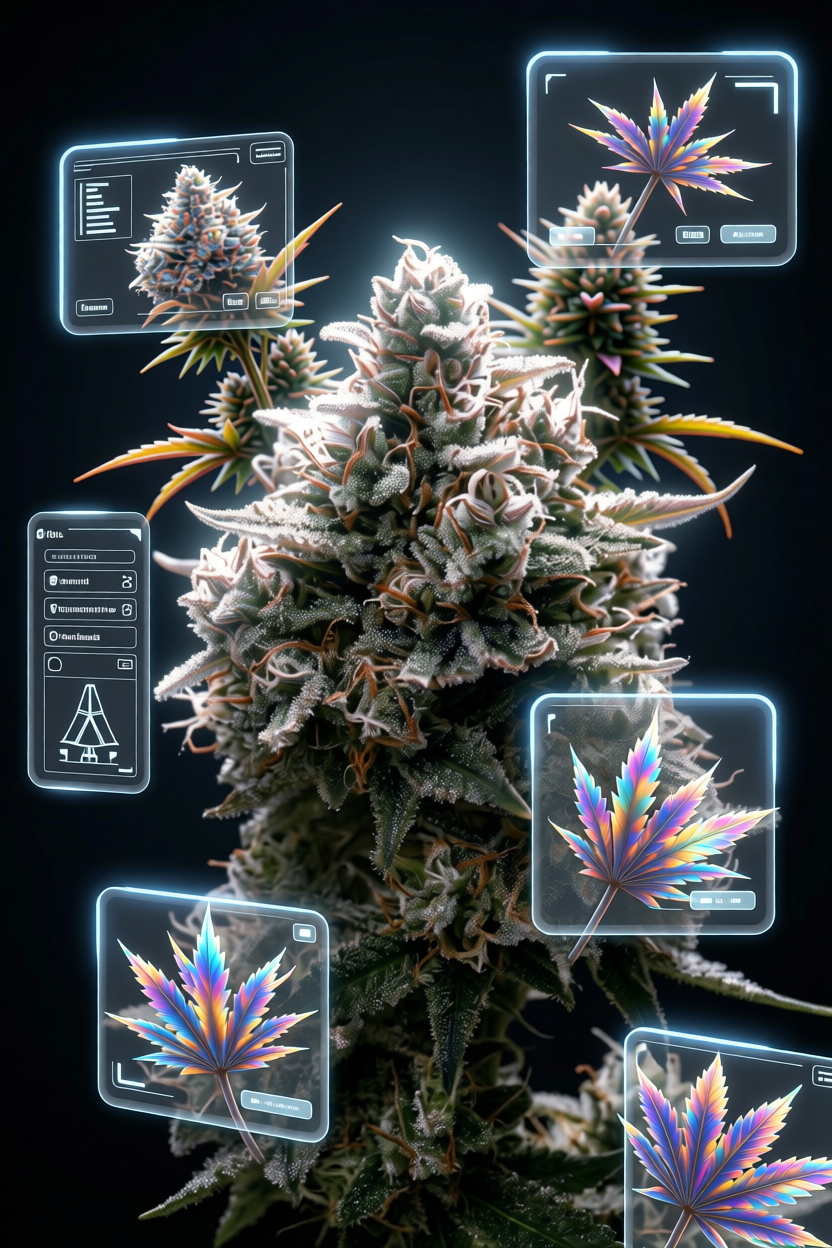
Defoliation in Cannabis Cultivation: A Strategic Approach to Optimizing Light Penetration and Airflow
In the intricate world of cannabis cultivation, growers constantly seek methods to maximize plant health, vigor, and ultimately, yield. Among the various plant training techniques, defoliation stands out as a powerful yet often misunderstood practice. Far from a random act of leaf removal, defoliation is a strategic intervention designed to improve light penetration and airflow within the plant canopy, thereby fostering a more productive and resilient growing environment. This comprehensive guide delves into the principles, applications, benefits, and considerations of defoliation, offering an expert perspective on its role in modern cannabis cultivation.
Understanding the Principles of Defoliation
At its core, defoliation involves the selective removal of leaves from a plant. While seemingly counterintuitive, given that leaves are the primary sites of photosynthesis, this practice is rooted in a deep understanding of plant physiology and the specific growth habits of cannabis.
The Plant’s Energy Factory: Leaves and Photosynthesis
Leaves are the solar panels of a plant, converting light energy into chemical energy (sugars) through photosynthesis. These sugars are the fuel for all metabolic processes, including growth, flower development, and nutrient uptake. A healthy plant requires a robust canopy to capture sufficient light. However, in dense canopies, particularly those common in indoor marijuana cultivation, an excess of leaves can become a liability rather than an asset. Overlapping leaves shade each other, leading to inefficient light capture and wasted energy.
The Importance of Light Penetration
Light penetration is paramount for uniform bud development. In an unmanaged cannabis plant, the upper canopy often forms a dense umbrella, effectively blocking light from reaching lower branches and bud sites. These shaded areas, often referred to as “popcorn buds,” receive insufficient light to develop fully, resulting in smaller, less potent flowers. By strategically removing obstructing leaves, defoliation ensures that more light reaches these lower and inner parts of the plant, promoting more uniform and robust flower development across the entire plant structure. This redirection of energy from leaf production to flower development is a key benefit.
Enhancing Airflow and Mitigating Risks
Beyond light, airflow is a critical environmental factor. A thick, untamed canopy creates stagnant pockets of air, particularly within the plant’s interior. These areas become breeding grounds for pathogens such as powdery mildew and botrytis (bud rot), which thrive in high humidity and poor ventilation. Restricted airflow also hinders the plant’s ability to transpire efficiently, potentially leading to nutrient lockout or other stress factors. Strategic leaf removal opens up the canopy, significantly improving airflow throughout the plant. This reduces humidity pockets, lowers the risk of fungal and bacterial infections, and contributes to a healthier overall microclimate for the developing flowers.
The Strategic Application of Defoliation
Defoliation is not a one-time event but rather a series of calculated interventions throughout the plant’s life cycle. The timing and extent of leaf removal are crucial for success.
When to Defoliate: Timing is Crucial
The optimal timing for defoliation depends largely on the plant’s growth stage:
- Vegetative Phase (Light Defoliation): During vegetative growth, the focus is on establishing a strong structure. Light defoliation can be performed to remove any large fan leaves that are clearly shading potential future bud sites or blocking airflow to the main stem. This early removal helps shape the plant and encourages lateral branching, especially when combined with other training methods like topping or Low-Stress Training (LST). However, aggressive defoliation during this phase can stunt growth, as the plant needs its leaves to build biomass.
- Early Flowering (The “Stretch” Phase): This is arguably the most impactful time for defoliation. As cannabis plants transition into flowering, they undergo a significant “stretch,” rapidly increasing in size. Around weeks 1-3 of the flowering cycle, a more substantial defoliation can be performed. The goal is to remove large fan leaves that are shading developing flower sites, particularly those in the lower and inner canopy. This is often combined with “lollipopping,” where all growth below a certain point on the stem is removed to redirect energy to the upper, light-exposed flowers. This phase allows the plant sufficient time to recover and redirect energy before peak flower development.
- Mid-to-Late Flowering (Targeted Removal): As the plant progresses deeper into flowering (e.g., weeks 4-6), defoliation should be minimal and highly targeted. Only remove yellowing, diseased, or truly obstructive leaves that are significantly blocking light penetration to critical bud sites or impeding airflow. Aggressive defoliation at this stage can stress the plant, potentially reducing final yield and quality, as the plant needs its remaining leaves to fuel the final stages of flower maturation.
How to Defoliate: Techniques and Considerations
The technique of defoliation is straightforward but requires precision and a clean approach:
- Identify Target Leaves: Focus on large fan leaves that are:
- Shading developing bud sites.
- Overlapping excessively, creating dense pockets.
- Pointing inwards towards the main stem, restricting airflow.
- Yellowing, damaged, or showing signs of disease.
- Use Sterile Tools: Always use clean, sharp scissors or pruning snips. Sterilize them with rubbing alcohol before and after each session to prevent the spread of pathogens.
- Make Clean Cuts: Cut the leaf stem (petiole) cleanly and as close to the main stem as possible without damaging the main stem itself. Avoid tearing or ripping leaves.
- Gradual vs. Aggressive: For beginners, a gradual approach is recommended. Remove a few leaves, observe the plant’s response over a day or two, and then remove more if needed. Experienced growers might perform more aggressive defoliation, but this requires a keen understanding of the plant’s resilience and growth patterns.
Integrating Defoliation with Other Training Methods
Defoliation is rarely used in isolation. It complements other plant training techniques to achieve optimal canopy management:
- Low-Stress Training (LST): Bending and tying down branches to create an even canopy. Defoliation helps open up the canopy created by LST, ensuring all tops receive adequate light.
- High-Stress Training (HST) – Topping/Fimming: Removing the main growing tip to encourage multiple colas. Defoliation helps manage the increased density that results from these techniques, improving airflow and light penetration to the numerous new tops.
- Screen of Green (ScrOG): Weaving branches through a screen to create a flat, even canopy. Defoliation is essential in a ScrOG setup to remove all growth below the screen (lollipopping) and manage the density of the canopy above the screen, ensuring maximum light exposure to all potential bud sites.
Benefits and Potential Drawbacks
Like any intensive cultivation practice, defoliation offers significant advantages but also carries potential risks if not executed correctly.
Advantages of Strategic Leaf Removal
- Increased Yield and Quality: By directing more light penetration to lower bud sites and redirecting energy from leaf production to flower development, defoliation can significantly improve the overall yield and potency of the final harvest.
- Enhanced Airflow and Disease Prevention: The removal of excess leaves drastically improves airflow within the canopy, reducing humidity pockets and creating an environment less conducive to mold, mildew, and other fungal pathogens.
- Optimized Light Distribution: Ensures that all parts of the plant, especially developing flowers, receive adequate light, leading to more uniform and dense buds.
- Redirected Energy: The plant’s energy is conserved and redirected towards flower production rather than maintaining unnecessary foliage.
- Easier Pest and Disease Inspection: An open canopy allows for easier visual inspection, making it simpler to identify and address pest infestations or disease outbreaks early.
Risks and Considerations
- Plant Stress: Defoliation is a form of stress. Over-defoliation or improper timing can shock the plant, leading to stunted growth, reduced vigor, and potentially lower yields.
- Reduced Photosynthetic Capacity: Temporarily, the removal of leaves reduces the plant’s ability to photosynthesize, which can slow growth if not managed carefully.
- Risk of Infection: Improperly sterilized tools or rough cuts can create entry points for pathogens, leading to infections.
- Strain Variability: Not all cannabis strains respond equally well to defoliation. Some indica-dominant strains with naturally dense foliage benefit greatly, while some sativa-dominant strains with more open structures may require less intervention.
- Environmental Factors: Plants grown in less-than-optimal conditions (e.g., nutrient deficiencies, temperature extremes) will be less resilient to defoliation stress.
Best Practices for Successful Defoliation
To harness the full potential of defoliation, adherence to best practices is essential:
- Observe Your Plant Closely: Every plant is unique. Pay attention to its growth patterns, vigor, and how it responds to previous defoliation sessions. Look for signs of stress or robust recovery.
- Sterilize Your Tools Religiously: This cannot be overstressed. Clean tools are your first line of defense against disease.
- Don’t Overdo It: Especially for beginners, err on the side of caution. It’s easier to remove a few more leaves later than to recover from excessive removal. A good rule of thumb is to remove no more than 10-20% of the foliage in a single session during the vegetative phase, and perhaps up to 30-40% during the early flowering “stretch” phase, but always with careful consideration.
- Provide Optimal Growing Conditions: Ensure your plants have access to adequate nutrients, water, appropriate light intensity, and stable environmental parameters (temperature, humidity). A healthy plant will recover from defoliation stress much more effectively.
- Focus on the “Why”: Always ask yourself why you are removing a particular leaf. Is it blocking light penetration? Is it impeding airflow? Is it diseased? If you can’t answer these questions, leave the leaf.
Conclusion
Defoliation, when understood and applied strategically, is an invaluable tool in the arsenal of the experienced cannabis cultivator. By meticulously managing the plant’s canopy through the selective removal of leaves, growers can significantly improve light penetration to developing flowers, enhance crucial airflow to mitigate disease risks, and ultimately redirect the plant’s energy towards producing a higher yield of premium quality buds. It is a practice that demands observation, precision, and a deep respect for the plant’s physiology, transforming a dense, unruly weed into a highly efficient, flower-producing machine. Mastering defoliation is a testament to a grower’s expertise and commitment to optimizing every aspect of the cultivation process.