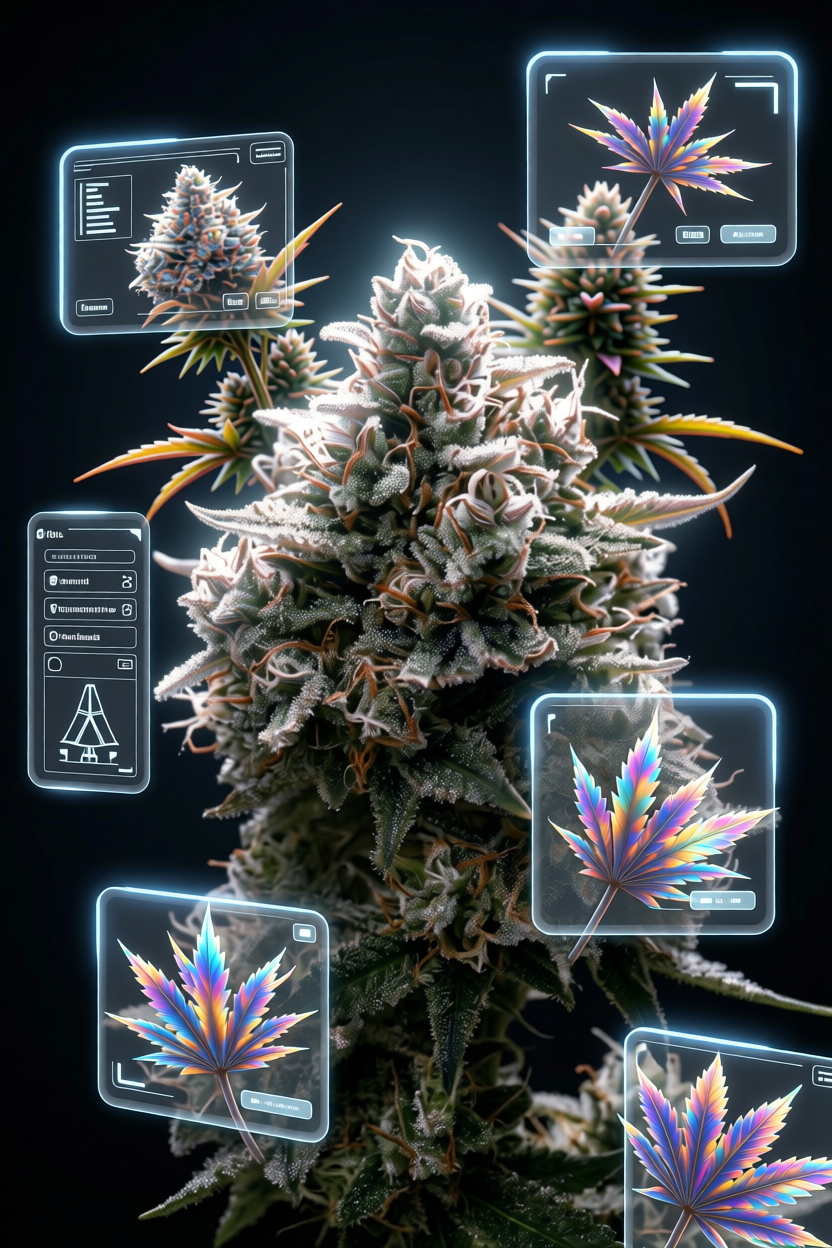
Minnesota’s cannabis industry stands at a crossroads. With commercial cultivation licenses now available, operators face a choice: follow the energy-intensive path that’s made cannabis one of America’s most carbon-heavy crops, or pioneer something different. One project is choosing the latter, aiming to create the first zero-emission cultivation site in Minnesota, and the approach offers a blueprint for sustainable agriculture across the Midwest.
Cannabis cultivation traditionally consumes staggering amounts of energy. Indoor facilities can use 2,000 to 3,000 kilowatt-hours per pound of dried flower, roughly equivalent to running 30 refrigerators continuously. In a state where winter temperatures regularly drop below zero, heating demands only compound the problem. But the same climate challenges that make Minnesota difficult also create opportunities. Long summer days, abundant geothermal potential, and progressive energy policies make the state surprisingly well-suited for building carbon-neutral growing operations from the ground up.
This isn’t about greenwashing or marketing spin. The economics increasingly favor sustainable approaches, and the technology has matured enough to make zero-emission cultivation genuinely viable. Here’s how it works.
## The Vision for Minnesota’s Sustainable Cannabis Industry
Minnesota’s cannabis regulations include explicit sustainability provisions, setting the stage for operators who want to lead rather than follow. The state’s Office of Cannabis Management has signaled that environmental performance will factor into licensing decisions, creating both mandate and opportunity.
### Defining Zero-Emission Standards in Cultivation
Zero-emission cultivation means exactly what it sounds like: no net greenhouse gas emissions from facility operations. This encompasses electricity consumption, heating and cooling, water treatment, waste processing, and transportation of materials. The standard doesn’t require perfection in every category but demands that any emissions produced are offset through carbon sequestration, renewable energy credits, or direct atmospheric capture.
For practical purposes, achieving this standard requires eliminating fossil fuel combustion on-site, sourcing 100% renewable electricity, and implementing closed-loop systems for water and nutrients. The facility becomes self-sustaining rather than extractive.
### The Economic and Environmental Case for Green Growth
The financial argument for sustainable cultivation has shifted dramatically in recent years. Solar installation costs have dropped 70% since 2010. Geothermal systems now pay back within 5 to 7 years in Minnesota’s climate. LED lighting uses 40% less energy than older high-pressure sodium systems while producing equivalent yields.
Beyond operational savings, market positioning matters. Consumers increasingly seek products with verified sustainability credentials. Wholesale buyers for dispensaries report that environmentally certified flower commands 10% to 15% price premiums. For a facility producing 5,000 pounds annually, that premium translates to substantial revenue.
## Architectural Design and High-Efficiency Infrastructure
The building envelope determines everything. A poorly designed structure fights the climate constantly, burning energy to maintain growing conditions. A well-designed facility works with Minnesota’s environment, capturing heat when available and retaining it when temperatures plummet.
### Geothermal Heating and Cooling Solutions
Six feet below Minnesota’s surface, temperatures remain constant year-round at approximately 50 degrees Fahrenheit. Geothermal heat pump systems exploit this stability, using the earth as both heat source in winter and heat sink in summer. The technology transfers thermal energy rather than generating it, achieving efficiency ratings of 300% to 400%, meaning every unit of electricity input produces three to four units of heating or cooling output.
For cultivation facilities, geothermal systems handle base-load climate control while supplementary systems manage peak demands. A 20,000-square-foot facility typically requires 15 to 20 vertical wells drilled 200 to 300 feet deep, representing significant upfront investment but minimal ongoing costs.
### Passive Solar Design and Advanced Insulation
Building orientation matters more than most operators realize. South-facing glazing captures winter sunlight for both photosynthesis and passive heating. Thermal mass materials like concrete floors absorb heat during sunny periods and release it slowly overnight. Strategic overhangs block high summer sun while admitting low winter rays.
Insulation standards for zero-emission facilities exceed typical commercial construction by substantial margins. Walls achieve R-40 or higher, roofs reach R-60, and triple-pane windows minimize thermal bridging. These specifications add roughly 15% to construction costs but reduce heating demands by 50% to 60%.
## Powering the Canopy with Renewable Energy
Even the most efficient facility requires substantial electricity. Cannabis plants need 18 hours of light during vegetative growth and 12 hours during flowering. Dehumidification, ventilation, and environmental controls run continuously. Meeting these demands without fossil fuels requires thoughtful renewable energy integration.
### On-Site Solar Arrays and Battery Storage
A 20,000-square-foot cultivation facility in Minnesota can typically accommodate 200 to 300 kilowatts of rooftop solar capacity. Ground-mounted arrays on surrounding property can add significantly more. Annual solar production varies seasonally, with summer months generating three to four times winter output, but properly sized systems can meet 60% to 80% of annual electricity needs.
Battery storage addresses the timing mismatch between solar generation and cultivation demands. Lithium-ion systems store midday surplus for evening use, reducing grid dependence and providing backup during outages. Current battery costs have fallen below $300 per kilowatt-hour of storage capacity.
### Grid Integration and Virtual Power Plants
Complete grid independence isn’t practical or necessary. Minnesota’s electrical grid increasingly incorporates wind and solar generation, particularly during overnight hours when wind production peaks. Smart facilities can shift flexible loads like water heating and battery charging to periods of high renewable availability.
Virtual power plant programs allow facilities to sell excess solar generation and provide grid stabilization services. Xcel Energy and other Minnesota utilities offer compensation for demand response participation, creating additional revenue streams while supporting broader grid decarbonization.
## Closed-Loop Resource Management Systems
Zero-emission cultivation extends beyond energy to encompass all resource flows. Water, nutrients, and organic materials cycle through the facility rather than entering as inputs and leaving as waste.
### Water Reclamation and Condensate Capture
Cannabis plants transpire enormous quantities of water, most of which ends up as humidity in facility air. Dehumidification systems remove this moisture, and advanced facilities capture the condensate for reuse. A facility growing 5,000 pounds annually might transpire 2 million gallons of water, with 80% to 90% recoverable through condensate capture.
Additional water treatment includes:
– Reverse osmosis filtration for municipal water purification
– UV sterilization to prevent pathogen transmission
– Nutrient recovery from runoff for recirculation
– Rainwater harvesting for non-irrigation uses
### Organic Waste Upcycling and On-Site Composting
Cannabis cultivation generates significant organic waste: stems, leaves, root balls, and spent growing media. Zero-emission facilities process this material on-site through composting or anaerobic digestion. The resulting compost returns to growing operations, closing the nutrient loop and eliminating disposal emissions.
Anaerobic digesters offer additional benefits, converting organic waste to biogas suitable for heating or electricity generation. Small-scale digesters designed for agricultural operations have become increasingly practical, with systems serving facilities under 50,000 square feet now commercially available.
## Navigating Minnesota’s Regulatory and Climate Challenges
Building Minnesota’s first zero-emission cultivation site requires working within existing regulatory frameworks while adapting to genuine climate challenges. Neither task is simple, but both are manageable with proper planning.
### Compliance with State Energy Mandates
Minnesota’s B3 guidelines establish sustainability standards for state-funded buildings, and similar principles increasingly apply to commercial cannabis facilities. Energy reporting requirements, water use disclosures, and waste tracking create compliance obligations but also provide frameworks for documenting environmental performance.
Cannabis-specific regulations address security, testing, and tracking requirements that can conflict with sustainability goals. Mandatory lighting in secure areas, for instance, adds energy loads. Successful operators design systems that meet both regulatory and environmental objectives simultaneously.
### Adapting Operations for Extreme Winter Conditions
Minnesota winters test any building system. Temperatures below minus 20 degrees Fahrenheit stress heating equipment and increase thermal losses. Snow loads affect solar production and structural requirements. Shorter winter days reduce both natural light availability and solar generation precisely when heating demands peak.
Successful cold-climate cultivation requires oversized heating capacity, robust backup systems, and operational flexibility. Facilities may shift production schedules seasonally, concentrating flowering cycles during higher-light months while using winter for vegetative growth and facility maintenance.
## The Future of Carbon-Neutral Agriculture in the Midwest
Minnesota’s first zero-emission cultivation site represents more than a single facility. It demonstrates that sustainable cannabis production is technically and economically viable in challenging climates. The lessons learned will inform future projects across the Midwest, where similar conditions prevail.
The cannabis industry has an opportunity that traditional agriculture rarely receives: the chance to build new infrastructure from scratch rather than retrofitting existing systems. Operators entering the market now can incorporate sustainability from day one, avoiding the costly transitions that established industries face.
For Minnesota specifically, sustainable cultivation aligns with broader state goals around carbon reduction and renewable energy deployment. The techniques developed for cannabis translate directly to other controlled environment agriculture, from vegetables to hemp to specialty crops.
The path forward requires commitment, capital, and patience. Zero-emission facilities cost more to build than conventional alternatives. Permitting takes longer when incorporating novel systems. But the operators who make these investments now will own the future of the industry, both environmentally and economically. Minnesota’s climate may be challenging, but it’s exactly the right place to prove what sustainable cultivation can achieve.