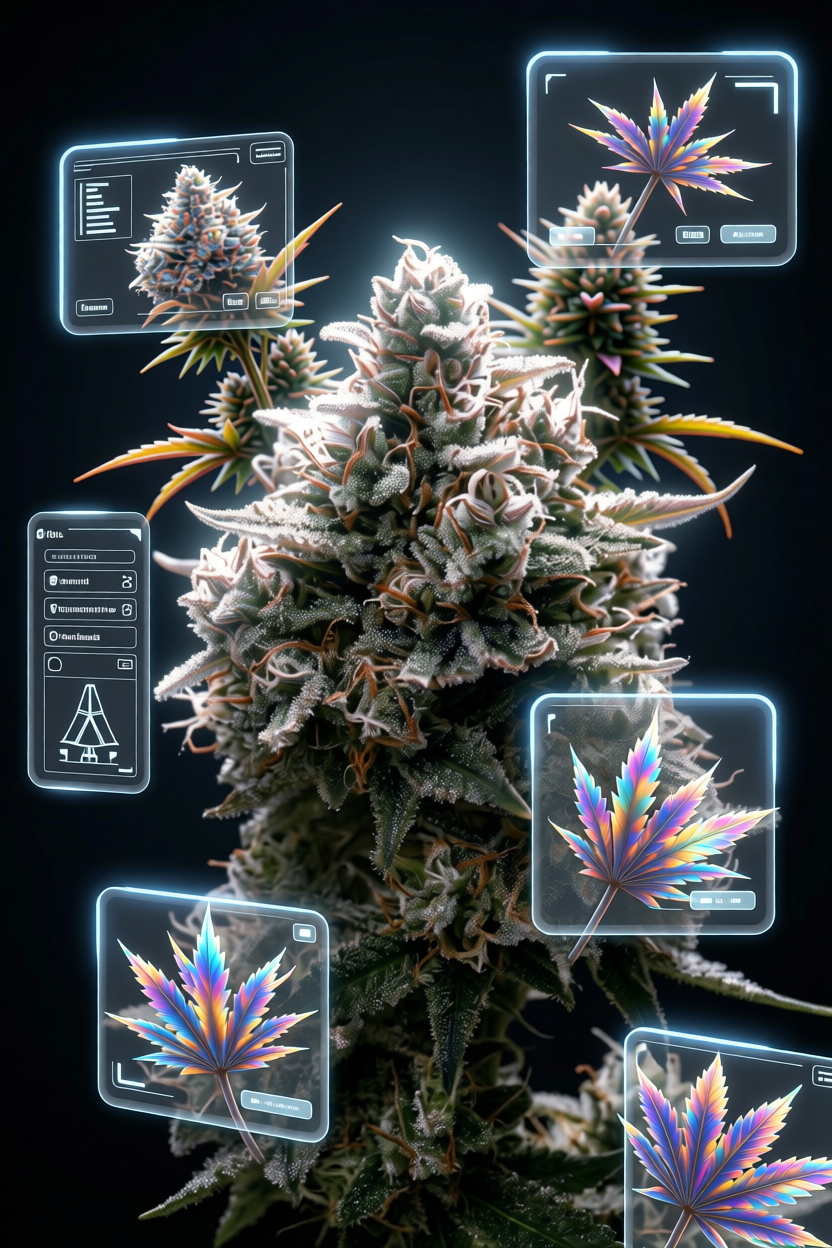
Bucking: The Critical Process of Removing Buds from Main Stems in Cannabis Cultivation
In the intricate world of cannabis cultivation, every step from seed to sale is crucial for ensuring product quality and efficiency. Among these vital stages, bucking stands out as a fundamental post-harvest operation. Often underestimated in its impact, bucking is the precise process of removing buds from the main stems of the cannabis plant. This article will delve into the nuances of bucking, explaining its importance, methodologies, and best practices for cultivators seeking to optimize their harvest and final product.
What is Bucking? Defining a Core Post-Harvest Task
At its core, bucking is the mechanical separation of the valuable floral clusters – the buds – from the less desirable woody or fibrous stems and branches of the marijuana plant. While seemingly straightforward, the execution of this task significantly influences subsequent processes like drying, trimming, and curing, ultimately impacting the quality, appearance, and marketability of the final product.
The primary goal of bucking is to isolate the cannabinoid-rich flowers, preparing them for further processing while discarding the bulkier, less potent plant material. This step is distinct from trimming, which focuses on removing sugar leaves and fan leaves from the buds themselves. Bucking is about de-stemming the entire plant structure after it has been cut down.
Why Bucking is Essential: The Benefits of De-Stemming
The decision to perform bucking is driven by several key advantages that contribute to a more efficient and higher-quality end product:
- Optimized Drying: Removing the dense, moisture-laden stems allows for more uniform and efficient drying of the buds. Stems retain a significant amount of water, and leaving them attached can prolong drying times, increase the risk of mold or mildew, and lead to uneven moisture content in the final product.
- Improved Trimming Efficiency: Whether trimming by hand or machine, working with individual buds or smaller clusters is far more manageable than handling entire branches. Bucking streamlines the trimming process, reducing labor and time.
- Enhanced Product Presentation: Separated buds are easier to inspect, sort, and package, leading to a more consistent and aesthetically pleasing final product. Consumers typically prefer well-formed, de-stemmed flowers.
- Reduced Waste Volume: By separating the valuable weed buds from the bulky stems early on, cultivators can significantly reduce the volume of material that needs to be handled, stored, or processed for drying and curing. This also makes it easier to manage waste streams.
- Better Curing Environment: Uniformly sized and de-stemmed buds cure more consistently, allowing for proper moisture equilibration and the development of desired aromas and flavors without the interference of overly moist stem material.
When to Buck: Wet vs. Dry Bucking
The timing of bucking is a critical decision that largely depends on the cultivator’s preferred drying and trimming strategy. There are two primary approaches:
Wet Bucking
Wet bucking involves removing buds from the main stems immediately after the plant has been harvested and before any significant drying has occurred.
- Process: The freshly cut plant material, still full of moisture, is processed. Buds are separated from the main stems while the plant is still pliable and sticky.
- Pros:
- Easier Separation: The stems are less brittle and more flexible, making it easier to snap or cut buds away.
- Cleaner Cuts: Fresh material allows for cleaner cuts, potentially reducing damage to the delicate trichomes if handled carefully.
- Reduced Stickiness (for subsequent steps): While the bucking itself is very sticky, subsequent trimming of individual buds after they’ve dried can be less messy.
- Faster Drying of Buds: Once separated, the individual buds can be spread out to dry more quickly and uniformly.
- Cons:
- Extremely Sticky: The high resin content of fresh cannabis makes wet bucking a very sticky and messy affair, requiring frequent cleaning of tools and gloves.
- Potential for Trichome Damage: The stickiness and pliability can make trichomes more susceptible to being knocked off or smeared if not handled with extreme care.
- Heavier Material: Wet material is heavier, which can be more physically demanding for manual bucking.
Dry Bucking
Dry bucking occurs after the harvested marijuana plants have undergone a significant drying process, but before final trimming and curing.
- Process: Whole plants or large branches are hung to dry for several days or weeks until the stems snap rather than bend. Once sufficiently dry, the buds are then separated from the stems.
- Pros:
- Less Sticky: The dried material is significantly less sticky, making the bucking process cleaner and less arduous for tools and hands.
- Better Trichome Preservation: Dry material is less prone to smearing trichomes, potentially leading to a higher quality final product in terms of cannabinoid and terpene integrity.
- Easier Handling: Dried material is lighter and often easier to manipulate.
- Cons:
- More Brittle Stems: Dried stems can be brittle and prone to splintering, which can make separation more challenging and potentially create more “shake” (small pieces of bud that break off).
- Dustier Process: Dry bucking can generate more plant dust and fine particulate matter.
- Risk of Over-Drying: If the material becomes too dry, the buds can become overly brittle and prone to crumbling during separation.
Many cultivators choose a hybrid approach, allowing the plants to dry for a few days to reduce some moisture and stickiness before bucking, striking a balance between the pros and cons of both methods.
The Bucking Process: Step-by-Step Methodology
Regardless of whether wet or dry bucking is chosen, the fundamental steps remain similar:
- Preparation:
- Workspace: Set up a clean, well-lit, and well-ventilated workspace. Lay down tarps or collection trays to catch any fallen buds or trim.
- Tools: Gather necessary tools (see section below). Ensure they are clean and sharp.
- Personal Protective Equipment (PPE): Wear gloves (nitrile or latex are common for wet bucking, cloth for dry), and potentially an apron or dedicated work clothes to protect against resin or plant matter.
- Plant Handling:
- Carefully bring the harvested plant material to the bucking station. Handle plants gently to minimize damage to trichomes.
- For whole plants, it’s often easiest to start from the bottom branches and work upwards.
- Separating Buds from Stems:
- Manual Method: Using shears or snips, carefully cut the smaller branches and individual buds away from the main stems. The goal is to remove as much stem material as possible while keeping the buds intact. Some cultivators prefer to snap off smaller branches by hand if the material is pliable enough.
- Machine Method: For larger operations, bucking machines are used. The operator feeds branches into an opening, and internal rollers or blades pull the stem through, stripping the buds off.
- Sorting and Collection:
- As buds are removed, they should be collected in separate containers, often sorted by size or quality.
- The stripped main stems are collected separately for disposal or further processing (e.g., composting, extraction of residual cannabinoids).
- Post-Bucking:
- The separated buds are then moved to the next stage: drying (if wet bucked), trimming, or curing.
Tools and Equipment for Efficient Bucking
The choice of tools depends heavily on the scale of the operation and the preferred bucking method.
Manual Tools
- Pruning Shears/Snips: High-quality, sharp bypass or straight-blade shears are essential for precise cuts. Brands like Fiskars, Felco, or specialized trimming snips are popular.
- Gloves: Nitrile or latex gloves for wet bucking to prevent resin buildup on hands. Cloth gloves for dry bucking to protect hands from sharp stems and reduce dust.
- Cleaning Supplies: Isopropyl alcohol and paper towels are crucial for regularly cleaning sticky tools during wet bucking.
- Collection Bins/Trays: For organizing separated buds and discarded stems.
Semi-Automated and Automated Solutions
For larger grows, manual bucking becomes a significant labor bottleneck. Bucking machines offer a more efficient alternative:
- Tabletop Buckers (De-stemmers): These machines typically feature a series of rollers or a rotating drum with holes that pull the stem through, stripping the buds off. They are suitable for medium-sized operations.
- Industrial Buckers: Large-scale, high-throughput machines designed for commercial operations. These can process significant volumes of plant material quickly, often integrating with conveyor systems.
- Considerations for Machines:
- Gentleness: Look for machines designed to minimize damage to buds and trichomes.
- Adjustability: Some machines offer adjustable settings for different stem thicknesses and bud densities.
- Cleaning: Ease of cleaning is a major factor, especially for wet bucking.
- Cost vs. Labor Savings: The initial investment in a bucking machine must be weighed against the long-term savings in labor costs.
Best Practices and Tips for Efficient Bucking
To maximize efficiency and preserve product quality during the bucking process, consider these best practices:
- Maintain Sharp Tools: Dull blades tear rather than cut, damaging buds and making the process harder.
- Clean Tools Regularly: Especially during wet bucking, resin buildup can impede cutting. Frequent cleaning with isopropyl alcohol is vital.
- Gentle Handling: Always handle the cannabis material with care to protect the delicate trichomes, which contain the majority of cannabinoids and terpenes.
- Ergonomics: Set up your workspace to be ergonomically friendly. Proper seating, lighting, and table height can prevent fatigue and injury during long bucking sessions.
- Ventilation: Ensure good airflow in the bucking area, particularly for dry bucking, to manage airborne plant matter.
- Stem Management: Have a clear system for collecting and disposing of or repurposing the stripped stems.
- Quality Control: Periodically inspect the separated buds for any remaining stem pieces or undesirable plant material.
Post-Bucking Considerations
Once the buds have been successfully removed from the main stems, the next steps are critical for preserving their quality:
- Drying: If wet bucked, the individual buds must be carefully laid out or hung in a controlled environment to dry slowly and evenly.
- Trimming: After bucking, the buds will still have sugar leaves and potentially some fan leaf remnants. Trimming removes this excess foliage, enhancing bag appeal and smoothness of consumption.
- Curing: The final stage, curing, involves storing the dried and trimmed buds in airtight containers to allow for moisture equilibration and the development of a full terpene profile.
Conclusion
Bucking, the process of removing buds from the main stems, is far more than a simple separation task. It is a critical post-harvest step that directly impacts the efficiency of subsequent operations and, most importantly, the final quality of the cannabis product. By understanding the nuances of wet versus dry bucking, utilizing appropriate tools, and adhering to best practices, cultivators can ensure that their valuable weed buds are prepared optimally for drying, trimming, and curing, ultimately delivering a superior product to the market. Mastering this fundamental harvest technique is a hallmark of an experienced and quality-focused cultivator.