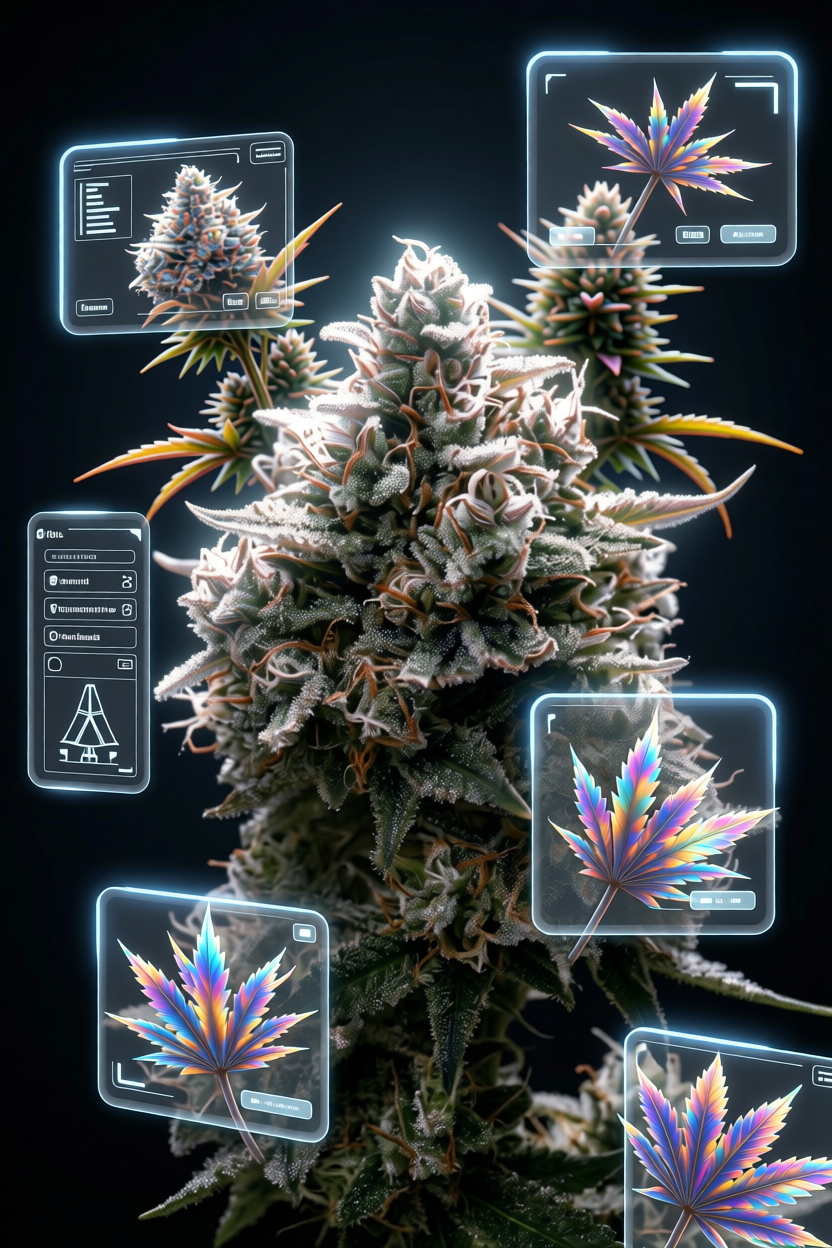
The Art of Manicuring: Refining Your Harvest for Peak Quality
After months of dedicated care, anticipation builds as harvest day approaches. Yet, the journey isn’t over once your plants are cut down. A crucial final step, often underestimated, significantly impacts the quality, aesthetics, and overall user experience of your finished product: manicuring. More than just a cosmetic touch-up, manicuring is a precise craft that refines your hard-earned yield.
What is Manicuring?
At its core, manicuring is the act of trimming leaves away from the harvested flower. This process involves carefully removing excess plant material – specifically, the smaller “sugar leaves” and any remaining fan leaves – that surround the dense, cannabinoid and terpene-rich floral clusters. These leaves, while part of the plant’s growth cycle, contain less desirable compounds like chlorophyll, which can contribute to a harsher smoke or less appealing flavor. By meticulously performing this task, growers transform raw biomass into a clean, attractive, and higher-quality final product.
Why Bother with Manicuring? The Benefits
The time and effort invested in manicuring yield significant returns, impacting several key areas:
Enhanced Aesthetics and Bag Appeal
A well-manicured flower is visually striking. The removal of protruding leaves allows the dense, vibrant trichome-covered buds to truly shine. This clean, uniform appearance is highly valued and often distinguishes premium products in the market.
Improved Smoke and Vapor Quality
Excess plant material, particularly the sugar leaves, can contain high levels of chlorophyll and other compounds that, when combusted or vaporized, can lead to a harsh, unpleasant taste and an acrid smell. The act of trimming leaves away from the harvested flower reduces this material, resulting in a much smoother, cleaner, and more flavorful experience, allowing the true terpene profile to come through.
Concentrated Potency
While sugar leaves do contain some trichomes, their concentration is significantly lower than that found on the flower itself. By removing them, you are effectively concentrating the more potent parts of the plant, ensuring a more efficient and impactful experience.
Better Preservation and Reduced Risk
Loose leaves and stems create additional surface area, which can trap moisture and increase the risk of mold and mildew development during the crucial drying and curing stages. A clean, tightly trimmed bud dries more evenly and presents fewer hiding spots for undesirable contaminants, enhancing its longevity.
Wet Manicuring vs. Dry Manicuring
Growers typically choose between two primary methods for performing the act of trimming leaves away from the harvested flower:
- Wet Manicuring: This method is performed immediately after harvest, while the plant material is still fresh and moist.
- Pros: Leaves are still turgid and stand out, making them easier to snip. It often results in a faster drying time because much of the leafy material is removed early. It can also help preserve certain delicate terpenes by reducing exposure during a longer, leafier drying process.
- Cons: It’s a sticky process, as the trichomes are still fresh. Buds can shrink significantly during drying, making the final trimmed appearance sometimes look overly aggressive if not done carefully.
- Dry Manicuring: With this method, the plant material is hung to dry for several days (or weeks) before manicuring takes place.
- Pros: Less sticky work environment as trichomes are less prone to smearing. Many believe dry trimming results in a better final appearance and preserves the overall structure and density of the flowers, as shrinkage has already occurred.
- Cons: Dry leaves become brittle and lie flatter against the buds, making them harder to trim precisely without damaging the flower itself. It requires a gentler touch and more patience.
Essential Tools for the Job
Proper tools make the act of trimming leaves away from the harvested flower more efficient and enjoyable:
- Trimming Scissors/Shears: Small, sharp scissors are crucial. Many prefer curved-blade scissors for their precision around the contours of the buds, while straight blades are good for larger cuts.
- Gloves: Latex, nitrile, or even gardening gloves are essential to protect your hands from sticky resin build-up and plant sap.
- Trimming Tray: A clean, flat surface or a specialized trimming tray with a screen can collect fallen trichomes (kief), which can be saved for later use.
- Rubbing Alcohol or Isopropyl Alcohol: Essential for regularly cleaning your scissors to prevent resin buildup, which makes cutting difficult.
- Comfortable Seating and Good Lighting: Manicuring can be a time-consuming task, so comfort and visibility are key.
Tips for Effective Manicuring
- Take Your Time: This isn’t a race. Rushing can lead to uneven trimming or damaged buds.
- Work in a Clean Environment: A tidy workspace prevents contamination and makes collection of any fallen trim easier.
- Be Gentle: Handle the flowers with care to avoid knocking off precious trichomes.
- Start with the Larger Leaves: First, remove any remaining fan leaves or larger sugar leaves, then move on to the smaller, more embedded ones.
- Save Your Trim: The removed sugar leaves often contain a good amount of trichomes and can be used to make concentrates, edibles, or tinctures.
The Art and Patience of Manicuring
Manicuring is as much an art as it is a science. Each flower is unique, requiring an discerning eye and a steady hand. While it can be a repetitive and time-intensive process, the rewards are undeniable. The act of trimming leaves away from the harvested flower elevates your product from good to exceptional, delivering a superior experience that reflects the care and dedication poured into its cultivation.
By understanding the ‘why’ and ‘how’ of manicuring, you can ensure that your hard work in the grow room culminates in a perfectly polished and highly desirable final product.