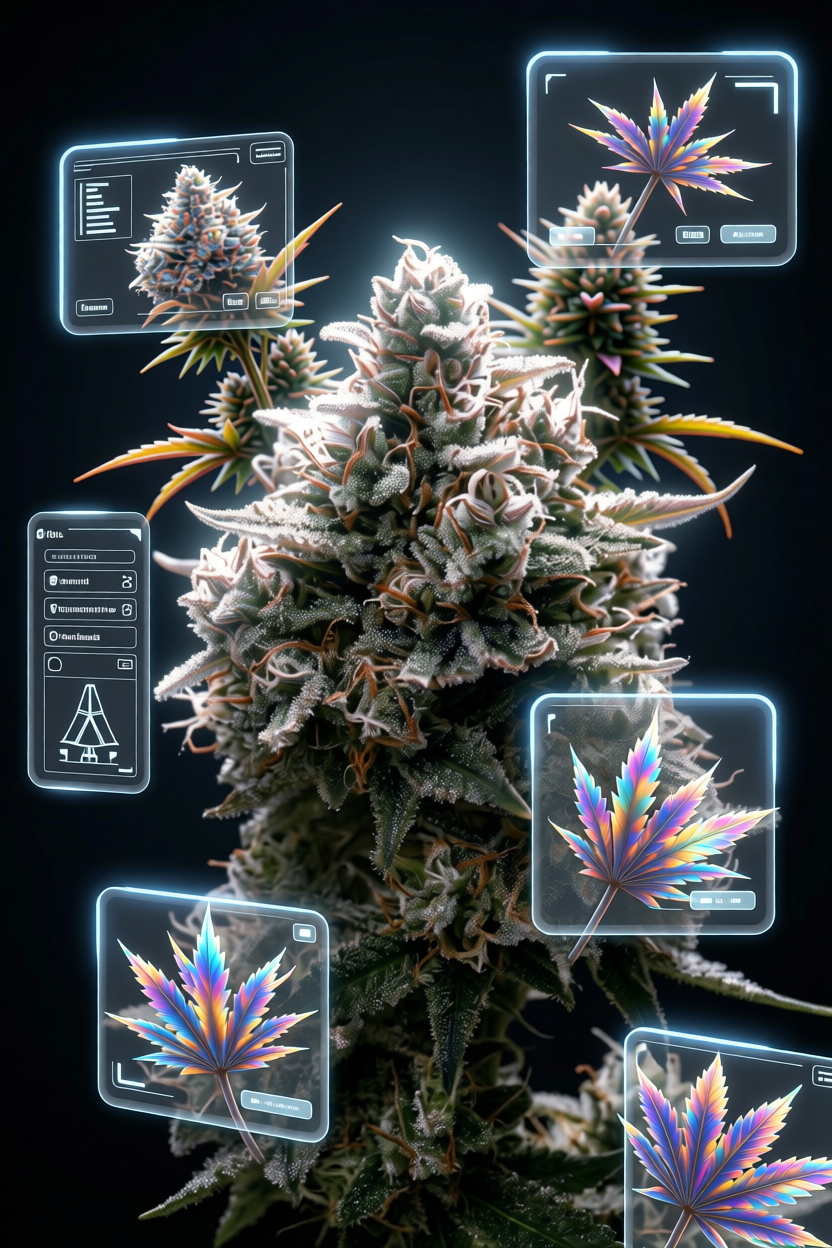
Cultivating a Greener Future: Sustainable Grow Operations in Minnesota
Minnesota’s agricultural landscape is rapidly evolving, driven by an increasing demand for locally sourced produce and a growing awareness of environmental stewardship. As growers across the state look for ways to optimize their practices, the concept of Sustainable Grow Operations MN has taken center stage. Far beyond just a buzzword, embracing sustainability is a strategic move that benefits the environment, the local economy, and the long-term viability of cultivation in the Gopher State.
Why Sustainability Matters for Minnesota Growers
The shift towards sustainable practices isn’t just about ethical responsibility; it offers tangible benefits for Minnesota growers.
- Environmental Protection: Minnesota’s natural resources are precious. Sustainable operations minimize water usage, reduce reliance on synthetic pesticides and fertilizers, protect soil health, and lower carbon footprints, safeguarding our lakes, rivers, and rich farmlands for future generations.
- Economic Resilience: While initial investments might be required, sustainable practices often lead to significant long-term cost savings through reduced energy consumption, optimized water use, and fewer chemical inputs. Furthermore, a growing market of environmentally conscious consumers is willing to pay a premium for sustainably produced goods, opening new revenue streams.
- Enhanced Product Quality: Often, sustainable methods contribute to healthier plants and more flavorful produce, distinguishing Minnesota growers in a competitive market.
- Community Health: Minimizing chemical runoff and air pollution creates healthier working environments for growers and safer food for local communities.
Pillars of Sustainable Grow Operations in MN
Achieving Sustainable Grow Operations MN involves a multifaceted approach, integrating various techniques and technologies.
Energy Efficiency and Renewable Energy
Energy is often a major operating cost for indoor and greenhouse facilities, especially during Minnesota’s long winters.
- LED Lighting: Replacing traditional high-pressure sodium (HPS) lights with energy-efficient LED grow lights can drastically cut electricity consumption and heat output.
- Optimized HVAC Systems: Smart climate control systems that precisely manage temperature and humidity reduce energy waste.
- Building Insulation: Enhancing insulation in greenhouses and indoor facilities prevents heat loss in winter and gain in summer.
- Renewable Energy Sources: Many Minnesota growers are exploring solar panel installations to power their operations, reducing reliance on the grid and lowering utility bills while decreasing their carbon footprint.
Water Conservation and Management
Water is a critical resource, and efficient use is paramount.
- Recirculating Hydroponics/Aquaponics: These closed-loop systems reuse water, significantly reducing water consumption compared to traditional soil-based methods.
- Drip Irrigation: Delivering water directly to the plant roots minimizes evaporation and runoff in soil-based systems.
- Rainwater Harvesting: Collecting and storing rainwater for irrigation purposes reduces reliance on municipal water sources and takes advantage of natural precipitation.
- Advanced Sensors: Soil moisture and environmental sensors help growers apply water only when and where it’s needed, preventing overwatering.
Integrated Pest Management (IPM)
IPM is a holistic, ecological approach to pest control that minimizes environmental impact.
- Beneficial Insects: Introducing natural predators and parasites to control pest populations.
- Biological Controls: Using bacteria, fungi, or viruses to manage specific pests.
- Physical Barriers: Installing screens and other barriers to prevent pest entry.
- Careful Monitoring: Regular scouting for pests helps identify problems early, allowing for targeted, minimal interventions rather than broad-spectrum chemical sprays.
- Disease Prevention: Maintaining optimal environmental conditions and plant hygiene to prevent the spread of diseases.
Nutrient Management and Waste Reduction
Minimizing waste and efficiently managing nutrients contribute to both environmental health and cost savings.
- Composting: Converting plant waste into nutrient-rich compost for use in soil or as a growing medium amendment.
- Closed-Loop Nutrient Systems: In hydroponic or soilless systems, recapturing and reusing nutrient-rich water.
- Soil Health Practices: For outdoor and greenhouse soil operations, practices like cover cropping, crop rotation, and no-till farming enrich soil, reduce erosion, and minimize the need for synthetic fertilizers.
- Responsible Sourcing: Choosing growing mediums, nutrients, and packaging materials that are sustainably produced and recyclable.
The Future of Growing in Minnesota
The path toward truly Sustainable Grow Operations MN involves continuous innovation, education, and collaboration. As consumer demand for sustainably produced goods grows and regulatory landscapes evolve, embracing these practices is not just an option but an imperative for the future success of Minnesota’s burgeoning grow industry. By integrating these ecological, economic, and social considerations, growers can cultivate not only high-quality produce but also a healthier, more resilient future for all Minnesotans.